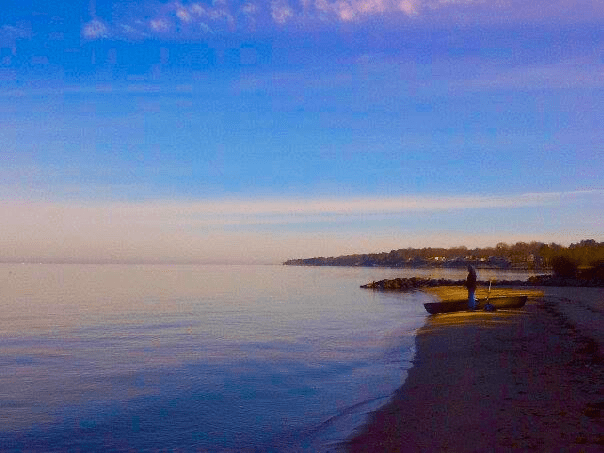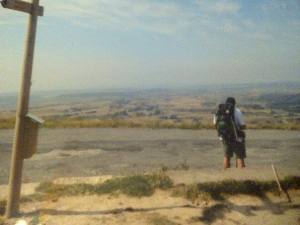
Baggage

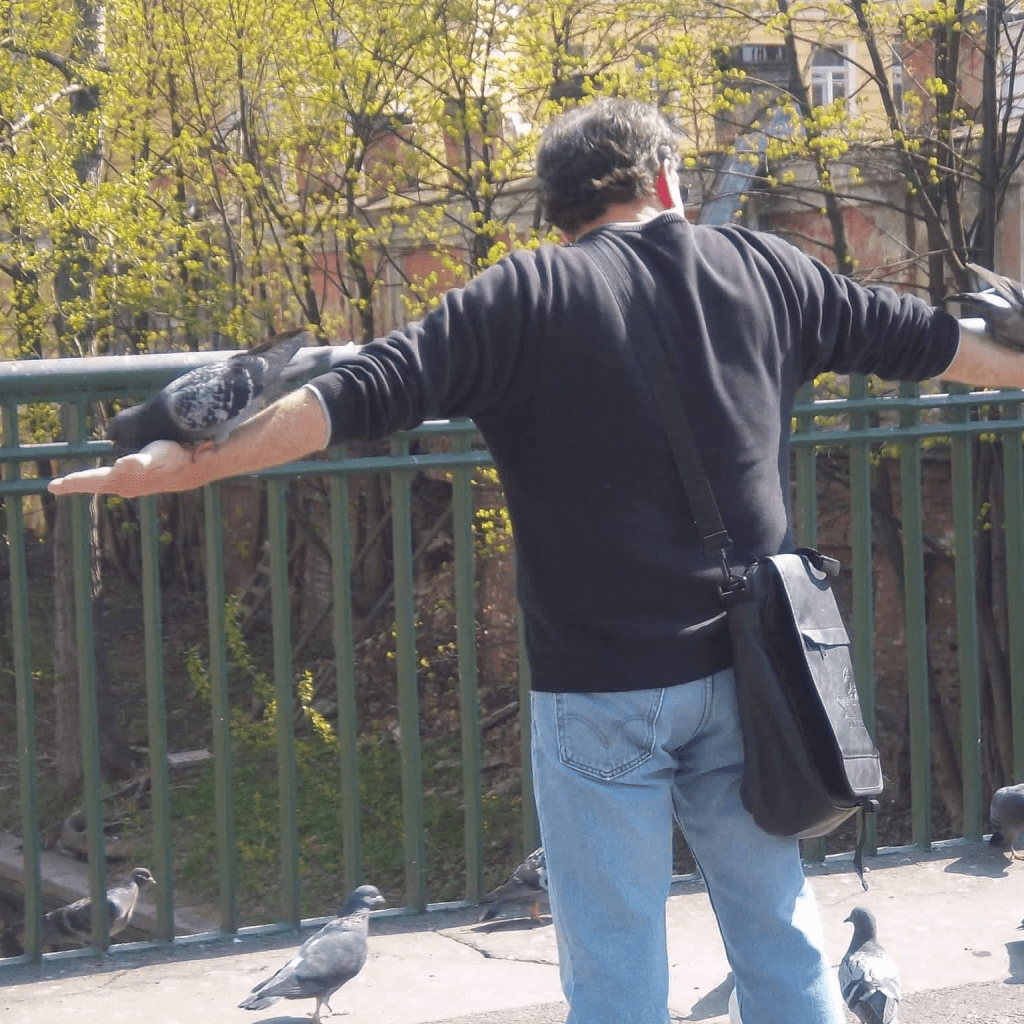
my black satchel

My son is leaving for Spain and Ireland in a few days–he’ll be gone about five weeks and while he kinda sorta knows where he’s going to go and what he’s going to do, he mostly has no idea where he might go or what he plans to do. He’s been there before several times and for extended periods of time. He’ll be fine (though he’s been warned about the heat, the surface of the sun that is current day Spain on the Meseta). He’s got one relatively small orange duffel bag. That’s it. Everything gets shoved in there. It works for him

Carrying just one bag used to work for me, actually, though mine was a backpack I carried for years, from Mexico through Massachusetts and well into Pennsylvania. My second favorite though was a black satchel I’d throw over my shoulder and carry from Russia to Ireland and Prague, and western New York. I liked having it with me since my important information, journals, and more were in there, but I also liked not having to carry it by hand leaving my arms and hands free. It also hung at my side which was more secure than on my back like a “take what you want” gift shop. We get used to bags, to luggage, to wallets and storage containers and just the right pockets in our winter coat we wear every day to the point where it becomes as much a storage area for our daily items as the junk drawer in the kitchen. My favorite was an Osprey backpack I carried from southern France to the Atlantic coast of Spain on the Camino de Santiago. For one summer everything I could possibly need was in that bag. It still is.

I still use a tan messenger style bag like the old black one, and every once in a while I dump it on the bed or the floor and go through the papers and envelopes and other crap I shoved in there without thinking. Matchbooks and old cards, some flyers from an art gallery, a KitKat bar. I dump it all out and trash as much as possible, pull my list pad out of a front pocket, rewrite the list on the next page of the notebook and throw away the pages accidently bent back from bouncing around the bottom of the bag. I rewrite the list and tuck it neatly back inside until I rewrite it in a few weeks, I put my school keys and ID back in an interior zipped pocket, and if I’m feeling ambitious, I’ll vacuum it out, wipe it clean.

I’m carrying less these days, and mostly stopped lugging around either a backpack or satchel. The brown bag goes with me to readings and come the fall to classes at the college. I don’t even carry a wallet most of the time. I stopped hauling books everywhere and I’ve found it better to not make notes while I’m out and simply wait until I get home to write observations or thoughts, make connections between a gull I watched this morning and something someone once said to me about birds on my porch and the passing of time. I’ve come to prefer to put some distance between the experience and my work, sometimes hours, sometimes weeks or months, sometimes two or three lifetimes during which I pick up and put back down even more luggage filled with nonsense I thought I needed but turned out I only needed it briefly.

Often I become so engrossed in something that I want to hold it close forever, for a while anyway. Eventually, though, we move it to the side to make room for more, and at some point we take it out of the bag altogether. For instance, for some time I carried a letter my friend Fr Dan had written me. I had it for six or eight weeks, more. I read it from time to time since it was the last one he ever wrote me just days before his passing. I just couldn’t bring myself to take it out and leave it somewhere other than with me. That was almost two years ago this week. Now the letter is in a stack of his letters behind my desk here at Aerie. It sits on a notebook filled one weekend I spent alone at the retreat Fr Dan founded on New York’s Southern Tier. Eventually, it will become a book I’ve been toying with since then, called These Days, and I’ll dedicate it to my friend’s memory and infectious laugh, and then I’ll be able to move the letters and journal further away from my reach, in a drawer somewhere. I find that drawers and cabinets are simply backpacks and satchels too big to lug around.

My first car, an old light blue Chevy Monza, used to be my baggage, and I filled that thing for two hundred thousand miles across the country, through Mexico where it carried several thousand blankets to Arizona, and Canada, then throughout my years in New England, and eventually Pennsylvania, where even there it held everything I owned and I never felt like I needed anything.

I’m carrying too much these days, from books to notebooks to letters and small stones and shells. But not on me, no. I leave my brown bag at home and usually don’t even carry my phone anymore. The list of items I want close to me has faded, and the people I used to call on a regular basis have all faded as well. Lately I find myself back in the moment, observing peacefully without the need to gather anything. That stuff only takes up room. Instead I prefer to simply remember, my mind a makeshift backpack with perfectly stored stuff, like a stack of homemade gift certificates my son made through the years–“homemade loaf of bread,” “lunch and a hike of your choosing,” “automatic win at chess to be used when you are losing bad.” I’ll always have them. Even if they get lost, I’ll always have them. Videos of my mom, golf and lunch with my dad, and trips to Spain, to Siberia, to all the state parks in Virginia, to boat rides on the creeks of the Chesapeake with my son. Time might steal some of their color, but I know what they are. That doesn’t fade.

I keep my hands and arms free these days, ready to hold someone else’s hand, ready to embrace. I miss people, their laughs, their sly look when we both know what the other is thinking, the songs we shared, I miss the random text or call. Better then to not carry my phone under some illusion it will ring, and better still to simply leave my bag at home. If I see something worth remembering, I’ll remember to tell you what I saw, just like I’ll remember to tell those I love I love them before they move on from this world. And if I forget to for some reason, well, I’ll carry that with me too.

These Things we are Capable Of

Before

It’s difficult to know what we are capable of. No one instructs us early in life on how to recognize the difference between “that might be doable” and “you’re wasting your time and absolutely kidding yourself.” The only sure way of knowing is doing.

Some legitimate guidelines help. Finding people who already know what they’re doing either through experience or expertise; hopefully both. Taking your time and going step by step without feeling overwhelmed by the big picture of the final product. When I was young and learned tennis and guitar—both mostly self-taught—watching professionals was a double-edged sword. On the one hand I felt inspired to push hard and keep pursuing those goals. Clearly it had been done before so this isn’t a fantasy. At the same time, there is reason enough to quit whenever I watched the pros play tennis or guitar and then I’d move with confidence only to annihilate my six string or hit a ball with the corner of my racquet and watch them both fly into the net.

Each day, though, a little more, a little better. Someone nearby to tweak the progress, some down time to recognize that the difference between never having attempted such a foolish ambition and where I was at was growing, and the reach from where I was at to some form of success was rapidly shrinking. Day by day.

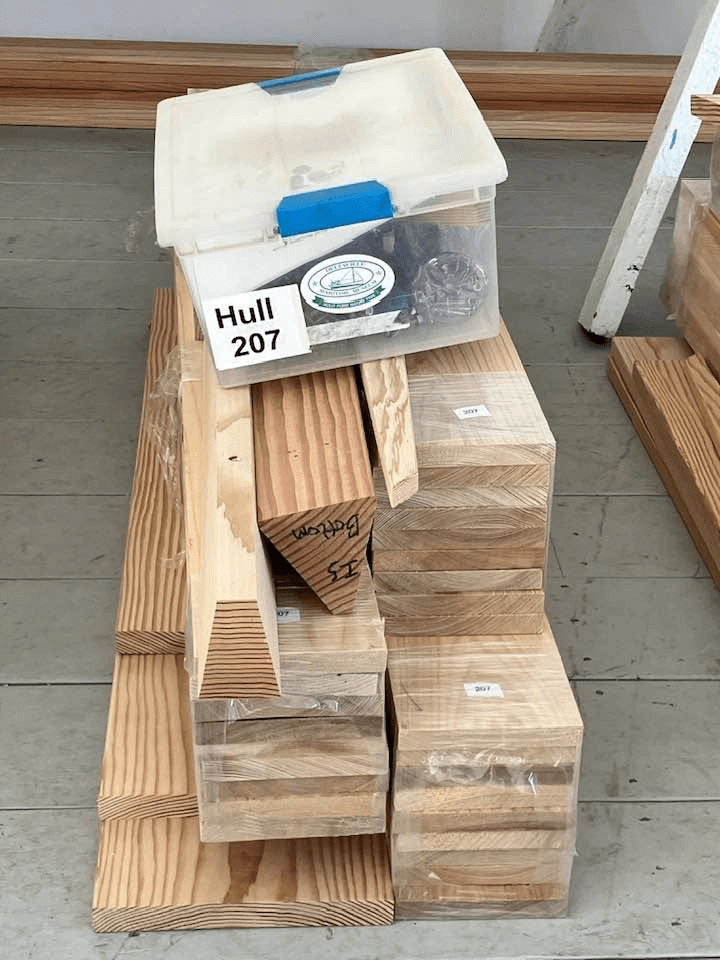
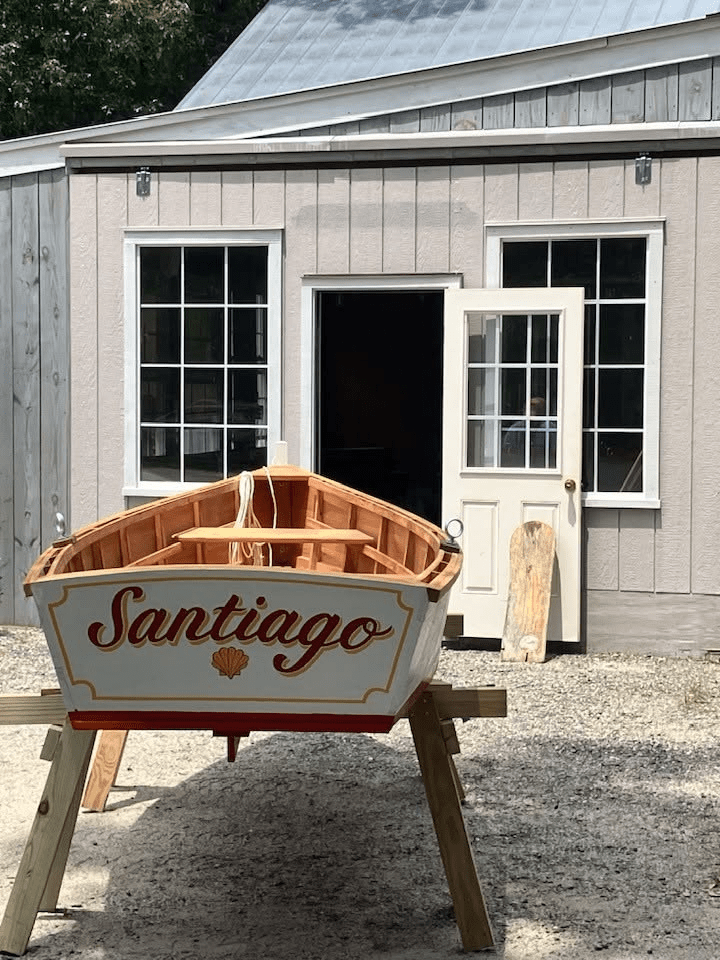
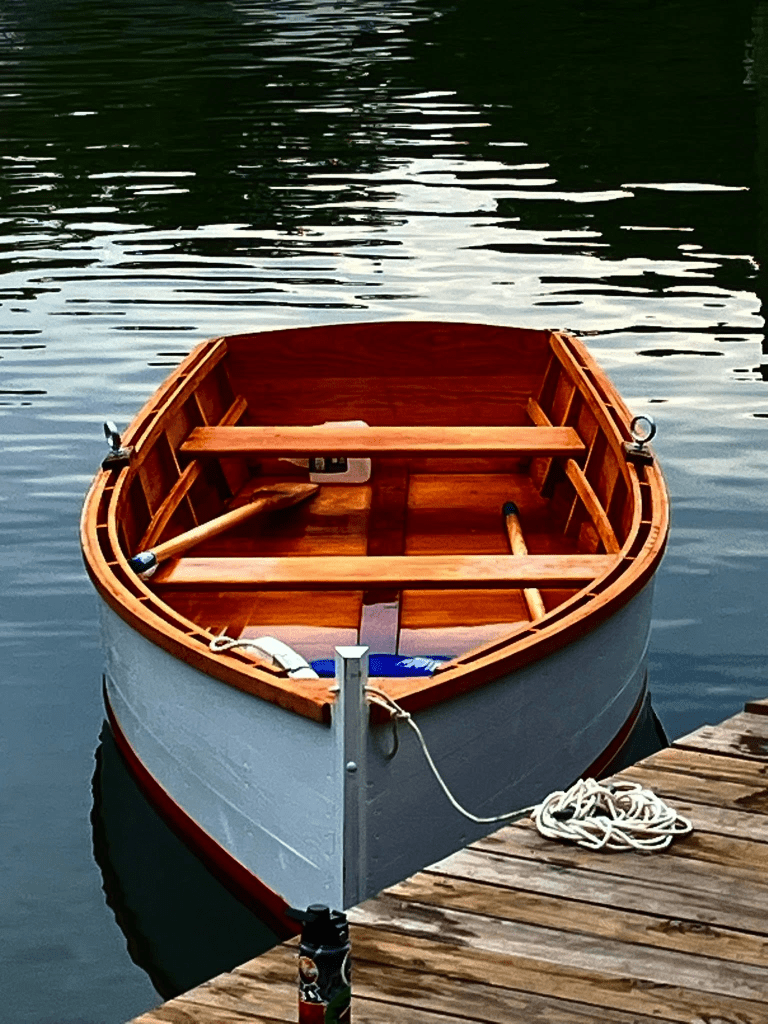
My son and I built a boat last week. Took about four days. It’s a fourteen-foot Wright Skiff with three benches, bumper rails, and other cool things which have nautical terms. We named her Santiago, after the city we reached on our pilgrimage along the Camino de Santiago in Spain, and after the Old Man in Old Man and the Sea, whose skiff looks just like ours, minus the sixteen-foot marlin carcass strapped to the side.

Still, we followed instructions printed out and had a half dozen expert boatbuilders on hand to walk us through it all. This stands in direct contrast to my life as a writer where every day I begin with a blank page and toss some verbs on there to see what happens. I rarely reach the same or even similar results. But we built our boat—Michael actually did the work—along side seven other teams and the boats all mostly look the same save some cosmetics and bad measuring of the floorboards (them, not us, I think). It reminds me of how far apart math and creativity often are. Follow the instructions, follow the formula, the builders begged of us. You can’t do that in writing (unless you’re James Patterson or EL James).

Of course, it wasn’t about the boat. We spent a week working together, switching on and off, recognizing each other’s strengths, helping, encouraging, laughing through it all. It is one thing to find out what you’re capable of; it’s an entirely other milestone to find out what you’re capable of with someone else, particularly your adult son.

I’m certain I cannot follow instructions for the next level craft—my forty-one foot Morgan Outisland or my aircraft carrier. But I’m equally certain I can do more than I thought I could just a week ago.

There’s another difference in the arts vs construction conversation. My last book, for instance, has a dozen different versions with various misfires along the way, and from them I tried something else, tossed more than I should. The book before that had originally been written as a series of twenty-three letters to my father. At some point someone I trust in the writing world asked why they were letters and I couldn’t answer her, so I rewrote them all as one long narrative. It is better. It is different. I’m not sure. But stray from the guidelines in the Skiff Manual and not only will six experts make it perfectly clear you are screwing up, they’ll cut and clamp and tighten until you are right back where you started. Consistency is the value of learning a new skill, except writing. Maybe.

Still, last night I walked to the dock and looked at Santiago floating patiently, and I glanced across the creek to another skiff where she rested calmly. They’re not the same at all, I noticed. I immediately saw my muscle-taut face holding two planks of wood together as Michael drilled a pilot hole followed by a screw, then another, and another, until we moved to the next board, satisfied. I saw the rising adrenaline each morning on the way to the boathouse, the growing confidence, the sense of accomplishment from perseverance.

I stared down at Santiago and saw us in the Pyrenees talking quietly as we moved across dozens of kilometers every day. The heat of Galacia, the wonder of entering Santiago and continuing to the end of the world, Fisterra, and back. I saw us crossing fields of hope and dreams in Siberia, and I could see back even further, staring into our skiff we build this week with no prior knowledge at all of building even a Lego boat; I could see Michael at five when we first started walking these docks, taking pictures of sailboats, and later when we bought a canoe and sculled the Rappahannock and creeks.

At some point we don’t think we’re capable of anything. Writing a book, climbing a waterfall, driving a car, being a father, building a boat. But with the right advice and a lot of patience, we move forward, half the time thinking we’re making it up as we go, and the rest of the time knowing we’re just following instructions.

It’s good to find out we’re capable of more than we thought. It’s good to build a boat. It’s uncanny where that little skiff has already taken me.

I Just Decided To

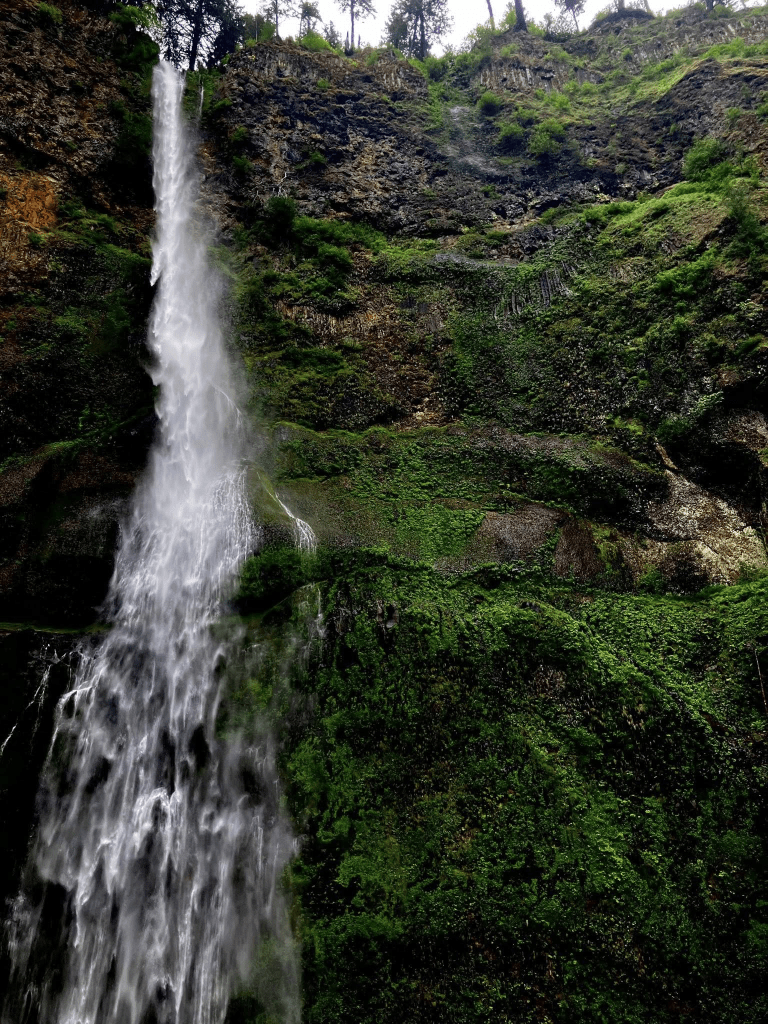
A few weeks ago we hiked to the top of Multnomah Falls on the Columbia River Gorge in Oregon. 

Made that sound like we simply bounded up the trails–pranced even–didn’t I?

I heaved my way up each switch back (there are eleven, though to be fair, the last three are back down a bit). A few of them are a tendon-screaming forty degree angle reminiscent of the first day out of Saint Jean Pied de Port on the Camino, which is like scaling up a twenty-mile roof. 

I had to stop often for several switchbacks. My excuses? The air is thin, which is true–I’ve lead a sea-level existence. Also, we had just driven eight hours. I could have come up with more, of course, but instead I rested, waved to the eighty-year-olds jogging past me, tried to trip a few kids bouncing up the path, and then continued. 

The thing is, I knew if I turned around not only would I feel bad for causing us to return to the car, but I’d be pissed at myself for quitting. My heart felt fine, my pulse, my feet. I wasn’t dizzy, faint, or laden with lactic acid. I was simply not used to this. So I kept getting up and pushing on, thinking about Butch and Sundance jumping off the cliff into the river. People going back down all had some comment: “It get’s easier!” “It’s worth it!” “Not too much further!” Meanwhile in true humor-clad fashion, I had to hear “Hey Bob, only ten more switchbacks!” “Hey, guess how many now??? Nine! Oh wait, this is still ten, sorry.”

I made it. We hiked many trails after that one, up waterfalls and down beach trails, through the redwoods, and I don’t remember an issue again after that day. On the way back down from the top of the falls, of course I encouraged others. Sometimes, “It’s not that bad! Move it!” and other times, “How many times did you throw up so far? Everyone up the next trail is heaving over the edge. Have fun!”

The falls were worth the climb. The view, the grandeur, the inconceivable beauty in the falling of water across rocks and millennia to the river below. Worth every doubt. 

The ends are worth whatever means necessary. We know this, too. One question remains which I contemplated on and off for the rest of the journey down the coast and which I have thought about since: What am I capable of?

Will I finish the one-man play I keep putting off? Will I lose the weight? Tone up? I know how to write and I know what I want to do in the play, so why isn’t it done? At one time in my younger days I was actually an expert in weight loss and toning, training everyone from women who wanted to lose more than 100 pounds to the Holy Cross Football team. 

I. Know. What. I’m. Doing.

I don’t know why I’m not doing it. 

I finished my last book not because of some lightning strike: I just decided to. Meanwhile, a book I agreed to rewrite for a publisher nearly two years ago is sitting here next to the Cheese-Its, but suddenly I’m stricken with Adult Onset ADHD. Maybe it is depression. Anxiety. The Crocodile Men of the Congo. All of the above.

Age! 

sigh…no, it’s not

I know not to eat certain foods. I know to move enough to push my heartrate. I know how to breathe, to stretch, when I write I know how to pause after a line for emphasis and when to make the dialogue choppy and staccato and when to slow it down and smooth it out. It’s not a fear of failure or of success of boredom or being too busy to focus or too distracted. No, we all get like this. You know what I mean, right? You know what needs to be done, to be said, but we simply let it go, put it off.

We know we can but we don’t. That’s it in a nutshell. We know we can but we simply don’t. 

Certainly, most people use the age thing as the best excuse. They can’t move as fast, they’re not as agile. The knees hurt, the hips. The back, the feet, the ego. Many of them are right, of course, but just as many seem to slip out of shape and use age as the cause. Not the eating between meals, not the stagnancy, not the belly fat, the beer belly, the extra serving. Nope, it’s “age.”. “Sucks getting older” people say. 

But when was the last time you made a list of ambitions and then contemplated which items on the list you truly can’t do because of your decrepit body and which items you just slowly, methodically, without even noticing, stopped trying to achieve because “life” got in the way, and now “age” got in the way?

What am I capable of? Probably more than I think. 

So this: The country’s birthday is in a month and so is mine. For the country’s birthday, the president is hosting a UFC Championship Wrestling Match on the lawn of the White House. For my birthday I’m finishing the play, the book, losing the weight, getting in shape

I just decided to. 

See you in a month.

Present Perfect

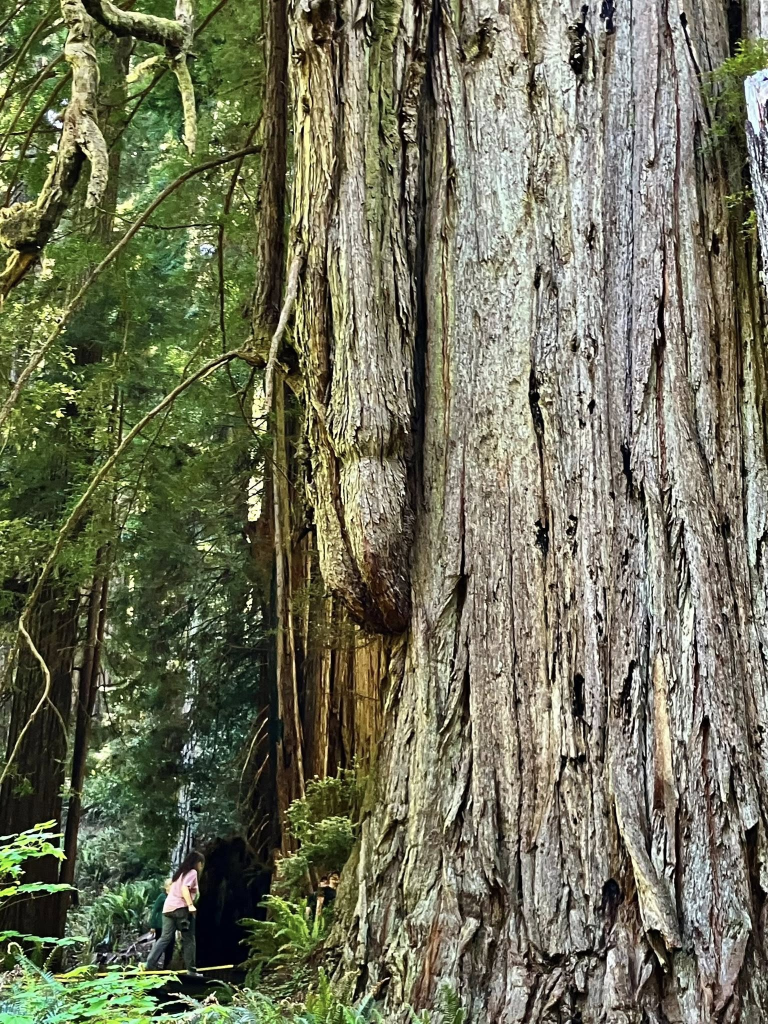
This picture shows only half the width of the tree

We walked around a tree so wide I could have parked a few cars in the trunk. The sapling of this Redwood broke ground no later than about the time of St Francis of Assisi and as early as the time of Christ. So when I was born, the tree had already been on the planet between eight and twenty centuries.

It isn’t the biggest one out there.

The waves which carve the Devil’s Cauldron and other such monoliths and stone formations along the west coast have carved the rock for millions of years, crashing in the same current we watched from the side of the Pacific Coast Highway. Understand, I’ve lived along the ocean my entire life and during my teens spent as much time in the water as I did out, but the Pacific has a different and very separate vibe, like it pulls itself out of the Mariana Trench every morning and explodes across the world toward the California and Oregon coast. It moves with seeming purpose and focus. This Pacific World is permanent, the infinite motion, the endless ebb and flow.

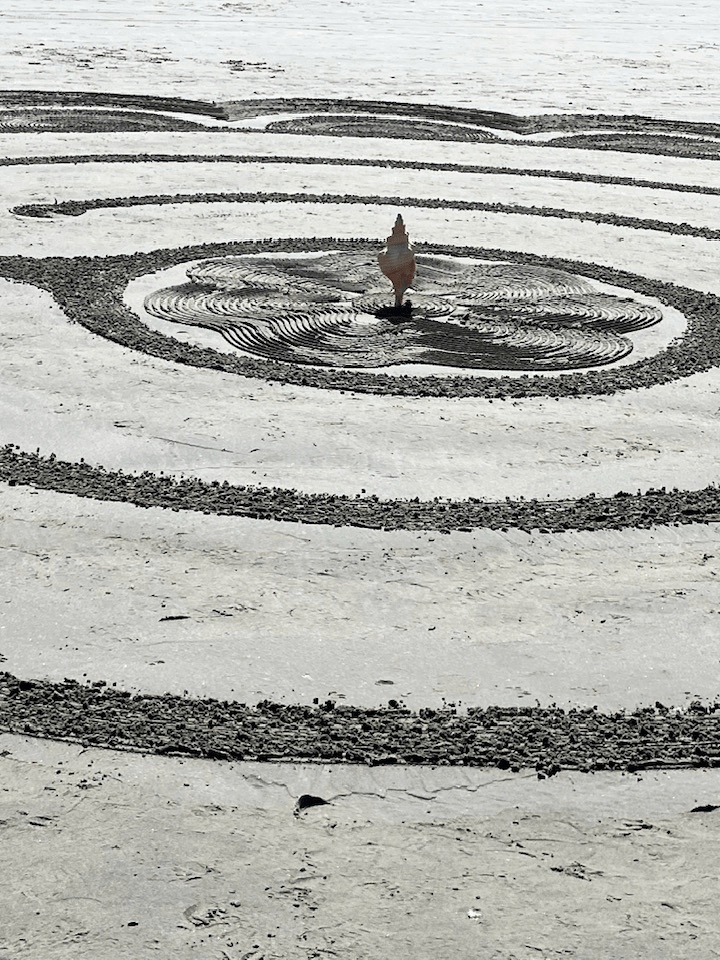
Along the reach in front of the Sunset Beach Hotel groups of people come and rake designs in the sand; circles and flowers which at first appear from a hundred feet above as individual and unrelated efforts, but they eventually join as volunteers meticulously shape the paths and designs, and in the center of each they place shells or other marine findings. When it is finished (or even before they are through) people line up or jump the line to follow the paths around like a sand labyrinth, seldom cheating, seldom hurrying others along. It is meditative to follow a brand new path no one has walked, and then to watch the incoming tide slowly swallow the western edges of the design, reaching up further each time, waves like hands reaching up and erasing the sand, smoothing it out, establishing for us all the impermanence of life, ironically through the rhythmic tides which are as old and permanent as the earth itself. 

Then we looked for sand dollars and sea glass. 

I have far less years ahead than behind. My last book is a memoir of an event I can remember like it happened this morning, yet it takes place forty-five years ago. Life in the past seems so swift because we can recall a moment instantly and transport ourselves to that event with a blink. It leaves the illusion that time went by fast, which of course it did not. To make matters more complicated, two people can perceive the same event, in the words of someone I know, completely differently. But the future is much more predictable for its absolute mystery. When we think ahead no one knows what will happen, how we will get there or even if we will get there, so we think ahead in slow motion, watching the mysterious and unrevealing turns in our lives. Ten years from now seems like a long ways away; ten years ago happened just before lunch. We are permanent; we are passing through.

The world is a mess. The events happening now have curbed my ability to travel to so many places, and the ripple effect is depressing by degree. But out on the Oregon Coast, those places of turmoil and the tyrants who cause the chaos no longer existed, and even the East Coast version of me seemed to slip away, leaving only the part of my life that understands the tough balancing act between the permanence of the ocean and the brevity of the lines we make in the sand. 

For all of the eternalness of the ocean and the trees, at least from our perspective as they certainly precede and last longer than us, it is our own mortality which makes even the oceans seem to be here but for a moment. Funny how some things in life you once thought of as permanent turned out to be a phase, proverbial ships in the night. At the same time there is a certain comfort in those transient moments which keep returning and again returning which make life tolerable. Love, at its very core is as eternal as the elements, yet can appear fleeting. It isn’t. It is always there, just below the surface, still growing from what was once a sapling, a chance encounter. Still pulling itself together from some place deep inside and far away, rushing across the surface of our years to our lives now. And like the deciduous redwoods which go dormant each year despite their longevity, often who we really are remains quietly below the surface waiting, just waiting.

But that’s vague and ethereal, which goes over my head more than often than not.

So listen: I only know this: I am alive now, awake and aware of my mortality and my chance, still now, to live life on my terms, at my pace. It took very little out west to make me feel completely aware and in the moment; I had no cravings for things or special meals or information–especially not for information. I learned again, for I have learned this lesson as many times as I have watched the waves pound the sand, to be present, aware of who I am, who I am with, without worry of words or silence or formality of casual moments. Absolute comfort without even understanding the transition.

And that’s all I know.

I was that rarest version of me: me one hundred percent myself without the need to “present” myself anything other than who I truly am; something which I no longer thought was possible. Allowing myself to relax and let go made me aware of how those times which squeeze our soul are as transient as the wind, and all that was left was who I really am. I have learned that lesson many times along the shores of the Atlantic and rivers around the world, but this time I had all the ingredients to understand. Time is not so persistent that it doesn’t allow us to learn more about ourselves at this point in life. One can be as old as the oceans yet as young as its waves.

That sounds really good but I’m not sure it means anything.

The truth is everything it seems is as old as the redwoods, including me, and everything as temporal as the paths we make in the sand as the tide is rising, including, of course, us all. There are certainly battles along the way. The Redwoods have fought fires, floods, typhons, earthquakes, and more, and for our part, there are personal battles which often make us feel like no wave can wash away our pain. But, of course, we survive and move on, a little closer to who we will eventually become if we just allow ourselves to, with apologies to Dan Fogelberg, “Be who we must.”

Grandma Moses was right: Life is what you make of it. Always has been; always will be.

Bob Marley was right as well: Everything’s gonna be alright.

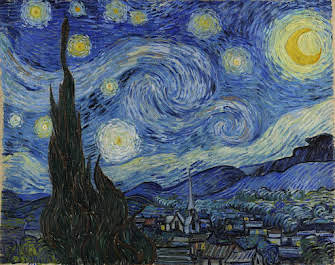
Vincent

Vincent van Gogh: March 30, 1853-July 29, 1890

From a letter to Theo:

It certainly is a strange phenomenon that all of the artists, poets, musicians, writers, and painters are unfortunate in material things—the happy ones as well. Maupassant is a fresh example of that. It brings the eternal question: Is the whole of life visible to us or isn’t it rather that on this side of death we see one hemisphere only? Painters, taking them only, dead and buried, speak to the next generation and very often several after in their work. Is that all or is there more besides? In a painter’s life, death perhaps is not the hardest thing there is. 

The earth has been thought to be flat. It was true, and is today, that between Paris and Arles, it is. But science has proven the world is round and nobody contradicts that nowadays. But notwithstanding all of this people persist in believing that life is flat and runs from birth to death. However, life too is probably round and very superior in expanse and capacity to the hemisphere we know at present. For my part, I know nothing of it. But to look at the stars always makes me dream as simply as I dream over the black dots of a map representing towns and villages. Why, I ask myself, should the shining dots of the sky not be as accessible as the black dots on a map of France? If we take a train to get to Rouen, we take death to reach a star. One thing undoubtably true in this reasoning is this: that while we are alive, we cannot get to a star any more than while we are dead we can take the train. So it seems to me possible that cholera and cancer are the celestial means of locomotion just as steamboats and railways are the terrestrial means.

To die quietly of old age would be to go there on foot. 

I feel more and more that we must not judge God on the basis of this world; it is a study that didn’t come off. What can you do in a study that has gone wrong if you are fond of the artist? You do not find much to criticize; you hold your tongue. But you have a right to ask for something better. It is only a master that can make such a muddle as this, since then we have a right to hope that we’ll see the same creative hand get even with itself. And this life of ours, so much criticized and for such good and exalted reasons—we must not take it for anything more than what it is and go on hoping that in some other life we’ll see a better thing than this.  

Now. Rain.

I’d like to peel away the layers I’ve adopted over the course of decades. I’d love to let go of tethers, let the twirling plates drop to the ground and shatter. When we were in Spain, I discovered how wealthy I felt when I had just what I carried across the Pyrenees. And when we were at Spirit Lake, I learned quickly how much more at peace I am and remain when the distractions are three thousand miles east. And when I was sitting around a camp fire in eastern Senegal with no water, no news, no electricity, not anything different over the course of a hundred years, the conversation never ran dry, the laughter always pure and honest, and the stars—oh, wow, the stars—I lay on my back at night and drifted in the saturated sky for hours.

I find myself in less need now of most things than I ever have before. I’m going to spend more time in nature, in Oregon, in the Catskills, in France. In Ireland and Alaska. I want to listen to the earth as she was meant to be heard, not through the filters of inventions and progress.

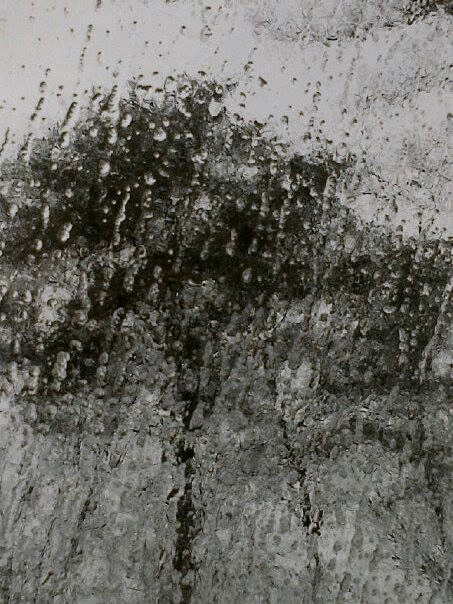
It’s raining tonight, finally warm enough to not snow or sleet, but cool enough to know it’s winter. The drops on the skylight above my head soothe me like they do when they do so on a tent when I am inside resting and the world is raining. There is something magical about how being in the wilderness can keep my attention, and Muir is right when he wrote that the clearest way to the universe is through a forest wilderness. Still, it’s taken me some time to understand why: it is absolute presence. I am wholly in the moment, the rain, the cool temperature and the sound of the rain and often geese in the distance looking for a field or pond just at the bottom of the hill.

Nature knows nothing except now. I sit at this desk and everything in this room has ties to back when. Mementos of travels, piles of unfinished work, guitars and a few bins of items from autumn or Christmas I’ve not yet put in the attic. It is the same anywhere in the house, with songlines running right through to some other where or when. But the minute I step outside and gaze deep into the woods or walk the hill to the river and look out across the bay, nothing exists but now in that nature, and I am completely aware of the air, the sounds, the conditions on the water and the cloud cover. And Zhuangzi’s note that “the sound of water says what I think” is present and true. There is nothing else like the sound of water in nature, rain, rivers, small creeks which have carved around and through rocks since before humans created the notion of earlier and later, created the beasts known as before and after, created the disabling “remember when we” and “why don’t we.” Cities and towns are linked always to others and plans and histories. Even at events people sit and talk about other places, different times.

But in nature, in the mountains out west or the porch out front, I can sit and listen to the rain and slow my pulse to something primitive, something organic, and I can dial up Emerson who suggested we adopt “the pace of nature; her secret is patience.”

No, I’ve had no mushrooms tonight, no Rioja or Malibu. Maybe a little. But no, my awareness tonight is from the rain, and I know Dar Williams’ comments “The beauty of the rain is how it falls” brings me closer to why I’ve managed to suspend the passing of time, for now, anyway.  

January 24th, 2026, 10:33 pm

yesterday

I have chosen to be present.

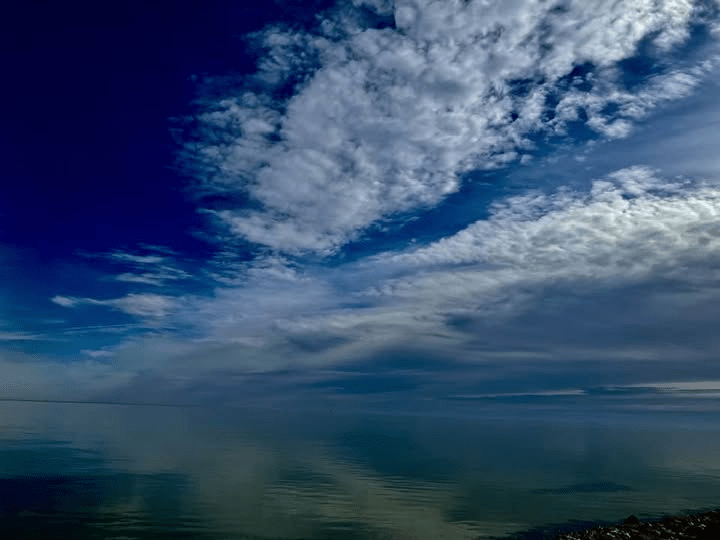
The river is icy tonight; not frozen at all but frothy on the whitecaps, foam along the sand. The sky was clear last night adding to the bone-chilling air, and the stars and planets filled the horizon. Tonight, however, it is cloudy, low dark clouds heavy with snow and eventual ice as a storm approaches, one like we have never seen before, so we are told. This is, this is not, a metaphor. Yesterday morning the sky and the bay seemed one, both calm, a mirror, still, complete peace, and the blue of the sky and the blue of the bay were only interrupted by a white cloud stretching across both. Tonight the water is rough, choppy, the spray stings the skin, and standing outside too long is dangerous, deadly.

Nature does what she wants, as well.

A soft sound came out of the woods earlier, rustling but heavier. I thought it was a deer at first, or the fox who visited the other night, or perhaps the racoon family which lives in one of the trees behind the shed and spends much of their time under the shed. But it wasn’t. A cat came out of the brush and sat on the icy stones and stared at me. I tried to coax her to the porch, but she simply meowed and moved away. I followed briefly but that only chased her further, so I retreated inside remembering my own cat who died some years ago and who, when he wanted to come inside, would leap from the front rail to high up the screen door to look through the thin windows at the top. When he saw me get up to go to the door in the back, he’d leap back to the porch, run around the house and slide inside. The cat earlier looked a little like him, a grey tabby, but this one had too much white. For a little while I was fine in the encompassing world of the cat in the driveway, and I felt such peace to be so present.

There will be Ice tomorrow. Again. So before I went inside, I stood for a moment in the chilly air and listened to the silence stretching far across the river and the bay, far inland as well, through the woods and into the night. No marches here tonight, no protests, no threats. No starving children waiting for medical care in Gaza or homeless in Ukraine, freezing. No unpredictable folly, no disparaging comments, no ridicule or mockery or distasteful gestures. No needless deaths or poor excuses, no narcissistic nonsense, no impatient though warranted commentary from allies. We live in a world now where no one is reading opinions unless they already agree. Heather Cox Richardson is preaching to the choir. So is Fox news. ICE shoots at will. The president acts without restraint. Congress doesn’t act at all. The news stopped covering the Epstein Files, Venezuela, the bombing of boats in the Gulf, the skyrocketing cost of healthcare, the impending shutdown, the redistricting debacle, the purchase of the Supreme Court justices. I can’t breathe.

I’m moving on, maybe longer than planned. Across the pond and then the river and far out beyond the Norris Bridge up river I heard geese approaching, their honks growing in volume and number, until they scattered about and landed in the fields and the ponds and the shoreline, hundreds of them, more, and they quieted down so that only a few calls could be heard and after ten minutes or so it was quiet again, the water choppy forcing them to find the sand, and other than that, just the silence of a heavy sky about to snow.

I have spent mornings here for three decades and no mornings are the same, the geese or ducks or herons and me, the rising sun, the setting sun, the hole in the sky of the moon, and we, it, are never the same. It is the same in the Uinta’s, the Catskills, the Blue Ridge, the same in the fields of Neunen, the trails throughout the Commonwealth, Nogales, St Petersburg, the Mala Strana, the Sahel, the Lofoton’s, the same silence, same presence, the same sense I never want to leave. The peace that comes when you know you have no need for yet more change.

I am fine here, at the water, or there, in the hills, or down along the clear endless coastline with water moving in and then away, completely oblivious to the mayhem, the seeming end of a republic. I am fine in a state of unknowing, cousin to the ostrich, brother to the deceased, though still here just the same.

And it occurs to me tonight as the streets of Minneapolis are aglow with the burning fires of defiance, and the world is ridden with anxiety because of one demented mind, that I have always been this way, along the Great South Bay, the Allegany, the canyons in Arizona, and the central New England hills where kettles of hawks kept me company on clear summer nights, not so much avoidance as control, predictability and allowance. I could so easily disappear to the east of Tangier, to the west of Coos Bay, to the North of Minnesota where if we focus on what we should focus on, is exactly where the light gets in.

So I have chosen, as well, in the spirit of Shen Yu, to only experience what I choose to focus on.

“If I disappear, look for me in moving waters”

–Robert Redford

Drop It

Sure, some of you will tune in to watch the Apple Drop in Times Square, if it is, in fact, dropping this year. In fact, throughout New York State, balls drop at midnight. But some of us prefer the big bologna drop in Lebanon, Pennsylvania, while others tune in to the Peach Drop in Atlanta.

But if you prefer to go to sleep early, catch the Lego Drop in Winterhaven, Florida, at 8pm. At Sloppy Joe’s in Key West, a giant conch shell drops to the bar, while in Indianapolis they drop a car. Honestly, a car. In Easton, Maryland they drop a crab while in Havre de Grace, Maryland they drop an eight foot by five foot foam, illuminated duck. In Hagerstown, of course, it’s a donut. In Pensacola, Theresa will be watching the Pelican Drop, while in Bethlehem, Pennsylvania, I fully expect both my friends Barbara and Sean to watch the Peep Drop. It should be pretty quiet.

In Beaufort, North Carolina, they drop a pirate, and in Chagrin Falls, Ohio, much to their…they drop a ball of popcorn. In Dillsburg, Pennsylvania, just ten miles from where I used to live, they drop two pickles, while in the capital of Harrisburg it’s a strawberry. I have no idea why. My cousin Ed said his head will drop on the pillow in Austin just after midnight, whereas Toledo will weigh in when it drops its Cheese Ball. In Boise they’ll drop their new Glowtato–a potato internally illuminated, of course. My favorite, however, is in Las Cruces, New Mexico, where they drop a 19 foot illuminated chrome chili pepper.

The whole notion of dropping the ball in Times Square began in 1907, organized by Adolph Ochs, owner of the New York Times, with nothing dropping at all in 1942 and 1943 due to “dimouts” during the war in case of invasion. Instead, attendees spent a moment in silence for the fallen. This year, the ball which descends at midnight is more than twelve feet in diameter, has a surface of crystal panels made by Waterford, and contains roughly 32,000 LEDs. But this year for the first time ever, there will be two balls (have at it late night hosts). The second, which will begin to fall at 12:04 am, is red, white, and blue to commemorate the 250 anniversary of the country.

It’s definitely a night to drop things. We drop hints about things we want and a few pounds as part of the new resolutions. Plenty of people in the entertainment industry use this significant date to drop their new album, their new book, their new movie, their old boyfriend, and the occasional dime bag.

In the old days neighbors would take it upon themselves to drop in and wish everyone a Happy New Year, while relatives are likely after a few more rounds to drop the charade and tell us how they really feel, and we’ll argue and argue until one of us, finally, says, “let’s just drop it.”

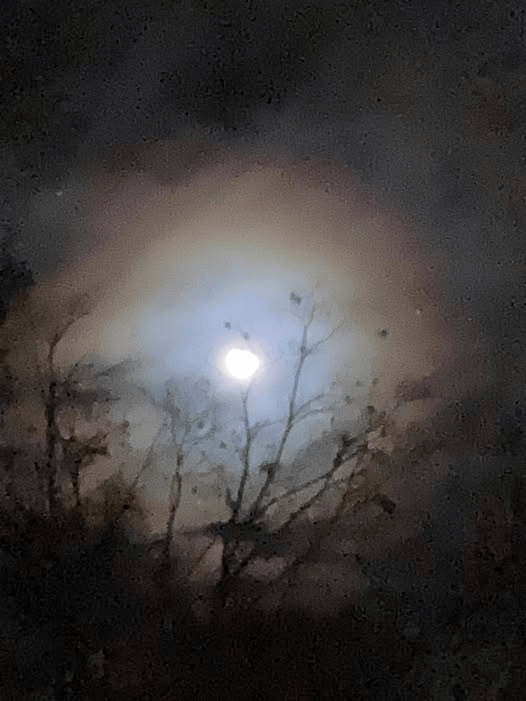
I’ll be outside as well, at the river, watching the nearly full waxing gibbous moon wash over the Chesapeake and it will take my mind off of the passing of time, the coming of the New Year, and the spinning of the earth like a ball, like a top, like a “tiny blue dot.”

Sweet Surrender

We used to meet at either 77th or 78th street, depending on who went first and when they graduated (or would graduate). I was in the class of ’78 so I would park across Atlantic Avenue and walk across the dunes to the beach and spread out the blanket and then swim. I was not a fan of laying around soaking up sun. I preferred to throw a frisbee or walk down the beach to the tourist areas from 42nd Street down. But when everyone showed up, usually by late morning, we’d all hang out and talk, music on some transistor.

And we’d swim, body surf, wade at waist level talking, the occasional jelly fish finding one of our calves. I remember several years of almost always having salty lips and hair, the soft, warm feel of sun on my shoulders and neck. This was how I grew up, at least during my high school years. When in the water, though, I spent most of the time scanning the horizon. Spain, Portugal. Africa. They were out there. The war in Vietnam had ended my sophomore year and when I graduated, Ford was president. None of that mattered. No, what mattered was where we’d meet that night, whose house, and should we keep it to ourselves or should we let everyone know, like the time fifty or more people showed up to Dave’s house over on Broad Bay, and an equal amount at my house once when my parents were off to a convention. It was all very innocent, and no one had to call the police. We were teenagers figuring it out, and the best I could figure, what I wanted was out there somewhere, across the horizon, past where Robin Lee Graham and Joshua Slocum had sailed. Down the beach toward the places Jimmy Buffett talked about in his early music we and other beach-dwellers were listening to ten years before the rest of the world. He spoke of margaritas in mason jars and friends from Monserrat. Jonmark would get out his guitar when he got home, noting exactly how the songs were played, whereas I would get out the maps noting exactly where I planned to go. Funny, JM still plays and I still navigate my way around this globe. And we’re still dear friends. Yeah, who we are is tethered very much to who we were.

At 77th Street, though, back when we went there, there was an old huge, two story house with first and second floor covered wrap around porches right on the dunes, and I wanted that place so bad. At the time I believed I could have spent the rest of my life on that porch, walking to the water, back to the house, put on some music and talk to friends. I thought that was a pretty ambitious plan. And, in fact, it was, but I was missing the ambitious part. Go figure.

Anyway.

I was at the bay this morning watching a long “shelf” cloud settle in from the north, and the water was glassy, the sun almost above the clouds in the southeast, but not yet, and I understood something with an acute sort of clarity—sitting out in nature with someone, or alone, but with someone is far more engaging, with enough to make the day comfortable—some water, some food, a comfortable chair, is my Minimum Acceptable Required Stuff.

It turns out that after several million miles it is all I need. Oh, and music playing. When I was young I was certain I needed to “make it” in the world, not yet knowing that my true ambition would be to end up where I started. Gotta love irony.

Here’s what I’ve learned since then: nothing. I know a lot more than I did at that time, of course. I’ve been around the block and that kind of experience alone prepares me for what’s next. But the only lesson I absorbed since then is that I really didn’t need to go seek happiness; I needed to create it where I already was. It reminds me of my young college days when I was in constant search of peace of mind in a place I was having trouble adjusting to, and one night I wandered into a friend’s apartment in the dorm—Fr Dan Rily—who was sitting with three or four guys from the floor, and I joined them for a few hours where we talked about nothing at all, but we laughed a lot, and when they left I stood up and told Fr. Dan that I hadn’t been that much at peace since I had arrived on campus, and he smiled his wide, mustache-covered smile and said, “Bobby, that’s because tonight you brought the peace with you.”

I won’t stop traveling; it’s in my blood. I just might stop looking for something else. A hike to some snow covered trail or a morning trip to the bay to watch the geese wing by or the dolphin surface on their way back to the ocean is enough to mark the day. Then it becomes easier to allow that “Sweet Surrender” John Denver sang about back during those beach days take over.

New Year’s Resolution List: To eliminate everything from my life that doesn’t make me feel alive and present. I don’t have enough time anymore for the rest of it. I think Ill head down to 77th street this week and see if that house is still there.

“My” cottage at 77th Street. Built in 1917 by fertilizer magnate F.S. Royster.

Flowers in the Dirt

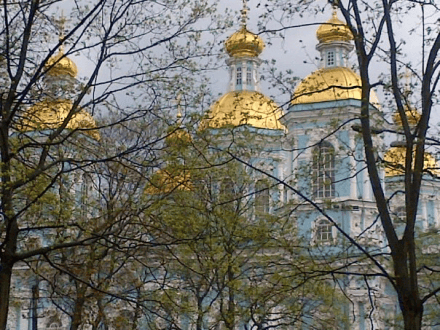
St Nicholas Cathedral (one of the rare churches to never close during Soviet days)

I’ve been thinking a lot about Russia lately, about how so much these days reminds me of my time there. Over the course of more than twenty years, I came to know the backroads and alleys of St. Petersburg, Russia. I found the coolest little cafes and late night jazz joints, made friends in shacks serving Georgian wine and shashleek—a kind of shish kabob—in a small room with low ceilings and dirt floors, the Gulf of Finland pounding at the sand outside. I returned again and again to long embraces from friends like Igor and Dima and Valentine the crazy man and brilliant artist.

I taught American culture at the college, endured endless people wanting to practice their English, celebrated Victory Day on Palace Bridge year after year, mourned the losses of people during the siege with veterans who sat telling me their stories all the while holding my arm, connecting to me through touch.

I prayed with old nuns in shrines, climbed the rubble of the ruined St Catherine of Alexandria Catholic Church with American priest Frank Sutman who raised enough money to rebuild this first Catholic Church in all of Russia back to its glory from the ruins of the storage facility it had become during the Soviet Era. I met musicians in old bars—Gypsies—and played music with them until the sun came up, read my own work at the famed Stray Dog Café surrounded by the ghosts of Anna Akhmatova and Trotsky and Brodsky.

What a time it was.

With friends I toured palace after palace, attended private concerts by quintets from the Kirov who played just for us before dinner at the Nikolaevsky, walked the halls of the Summer Palace and wondered about the infamous Amber Room, learned every crevice of the Winter Palace and its five building complex that is the Hermitage Museum. Had drinks in the basement of the Yusopov Palace where Rasputin had drinks just before he was killed for the fifth time. Walked the grounds of Galinka Palace, the Church of Spilled Blood, St Isaacs, St Nicholas, Trinity, and more. I climbed to the top of the tower of Smolney from which St Seraphim supposedly fell the ninety feet to the ground when he was ten but landed softly and got up and ran toward canonization.

I learned where to buy vodka and where not to sip it at all. I found the best places for authentic borsch and had Beef Stroganoff at the Stroganoff Palace.

I ate at McDonalds, Pizza Hut, Kentucky Fried Chicken, and more western joints filled to the gills with Russians all in love with the taste of America, drinking in the swell of western culture, surrounding my friends and me trying to fit more English into their Cyrillic mouths.

We took canal rides and saw folk shows where more than a few times I was dragged on stage to dance with the Russian women and men as balalaika music filled the packed arena. I’ve seen Swan Lake at the Marinksy Theatre more than a dozen times and have seen Hamlet in Russian.

I’ve made friends with former Soviet Naval Captains, countless professors, writers, and artists. I’ve become friends with translators and more than a few vets of the Chechnya War who would have rather stayed home and continued their studies in Engineering at St Petersburg University than return with no legs, one arm, half a face blown away, leaning against the Metro Walls, cap in hand—handicapped, hopeless.

I’ve sat on the rocks of the Gulf of Finland drinking champagne during the White Nights while one of Russia’s finest flautists performed privately for us, laughing, making us cry with Tchaikovsky and Bach. I’ve sat backstage at the St Petersburg Conservatory with a dear friend who is a choreographer, and his teacher, who used to dance with Baryshnikov, and watched them practice.

We’ve had food from an Uzbekistan Restaurant, and I came to understand the plight of the refugees from Azerbaijan after the slaughter by Armenians. I’ve read at the flat of Dostoevsky with an original volume of Pushkin on the table next to me and one of Fyodor’s own manuscripts two feet away. We have wandered through the massive marketplace next door and carried home to our apartment bags of fresh vegetables and chunks of meat cut before my eyes off of a carcass.

I’ve battled with border patrol over textbooks, bribed cemetery guards to let us wander sacred grounds, sat in the cell that held Dostoevsky and other dissidents, and watched the ruble gain strength, take a beating, then recover, then fall. I’ve sat on benches with women who were survivors of the siege during the Great Patriotic War and talked about family, talked about poppyseed rolls, talked about the flowers that grow in the dirt.

I was there when they reinterned the remains of Czar Nicholas II and his family, including Anastasia and Alexi. I was there for the celebration of the 300th anniversary of the city that Peter the Great called the Window to the West.

I watched as Marlboro came to town, then Clairol and every Russian woman suddenly had bright red hair. Adidas showed up and all the men wore warmup suits. I’ve walked past too many men in cheap three piece suits holding semi-automatic rifles guarding some boss’ SUV as money exchanged hands—all cash, USD, in suitcases.

I had just turned thirty-one when Communism fell and two years later I went to St Petersburg. The city streets were dank and barren, not a single neon sign, not a single advertisement, nothing to see or do. I toured the lab of Pavlov where dogs are still used, and I stood on the Field of Mars next to the eternal flame commemorating those lost during the siege. I met then-Vice Mayor Vladimir Putin. I met ambassadors. I met Sophia, who was a young teen when the Czar was still in charge, who lost her husband and son during the siege, and who sat in the shadow of the Smolensky Shrine and told me they can take anything they want from her, but they’ll never take her faith from her again. She blessed herself in the large Orthodox way and held my arm with her ninety-something year old transparent hands. She could tell me whatever she wanted. I could talk about anything I wished. I watched this country I was raised to fear fixate on all things west, becoming a strong and welcome presence in world culture and exchange. Every person I brought returned home amazed at the life that was Russia, hoping to return, knowing they had friends there, and dozens did return with me for a second, some for a forth or fifth time. Russia was addicting.

I’ve brought dozens of US faculty, hundreds of college students, a dozen cousins, pilots, performers, writers, and a four star Army General, twice.

Now, exactly half a lifetime since my first trip, I’ve watched it all go full circle. The little western influence that is still there can’t be changed, but the welcome presence has faded away—no more McDonalds, Pizza Hut, or KFC. No more Starbucks. Open readings are tolerated only if no one, no one, absolutely no one uses the word “War” in reference to the Ukraine.

After the invasion, I sat by hopelessly four thousand miles away as friends wished me well and hoped we’d someday meet again. I told them, my friends, including those now in Germany and France, a few in Norway, that I cannot wait to see them again, perhaps in New York, or Paris. Maybe Oslo. Not Russia. Those who had left or since left Russia, I talk to, but too many to mention I can no longer get ahold of, and I have no idea whatever happened to them. Many were men in their twenties and thirties. All had terrific senses of humor and the hopes young artists and engineers who knew only democratic principles their entire lives. Gone.

I have taken a train from one end of that massive empire to the other with my son, creating memories to last all our lives, spent late nights drinking shots of vodka with Siberian businessmen. I’ve sat in the home of tour operators and laughed and became brothers with them. I have mementos on bookshelves, on walls. I’ve written three books about my times in Russia, and more than fifty articles. I’ve developed three college courses about Russian Culture and mentored more than two hundred students who received Study Abroad credit. I miss the beauty of the architecture, the beauty of the people, and the mystical way history bathes me when I walk the streets at night. I miss my friends. I miss laughing with Valentine and talking about butterflies and angels. I miss sitting alone at this one café I love drinking tea, making notes, listening to contemporary folk music and enjoying this impossible life I’ve had the chance to live that brought me more than two dozen times to a place that until I was in my thirties, I never thought I’d ever see. I miss the people very much.

I miss the way old women swept the streets with birch brooms. I miss the Hermitage and the Hidden Treasures Collection, and that time I helped spread the ashes of my artist friend, James Cole Young, in the crevices of one of his favorite paintings. I miss counting stripes on the wallpaper and chasing pigeons in the park.

I miss the hope that was Russia. I miss that hope. Even now, here, I miss hope.


on Nevsky Prospect in St Petersburg