Blood Phones

The problem, of course, is we can do without diamonds, and with global protests against the mines in places like Botswana, conflicts which spilled over into warfare, and exposure with movies like Blood Diamond, we are more than aware of Conflict Diamonds as they are so casually called.

But try telling someone to go back to a landline and ditch the smartphone. It’s laughable despite the mining conditions for a phone’s essential cobalt-powered lithium battery being far worse than diamond-mine workers could ever imagine. But, geez, it’s my smartphone; not giving it up.

It is time to accept the fact you’re not going to give up your cell phone or the electric car you have your eye on, even though they are the result of a slavery system in the Democratic Republic of the Congo.

Facts:

The DRC produces roughly eighty percent of the world’s cobalt supply, and has nearly half of the world’s reserves–more cobalt than the rest of the world combined. While the US gets most of its cobalt from Norway, Finland, and Japan, they are processors who take the supply of the metal mostly from the DRC.

So we understand each other, our smartphones and electric cars need cathodes for high-performance lithium batteries, and the primary component in cathodes is cobalt.

The Problem:

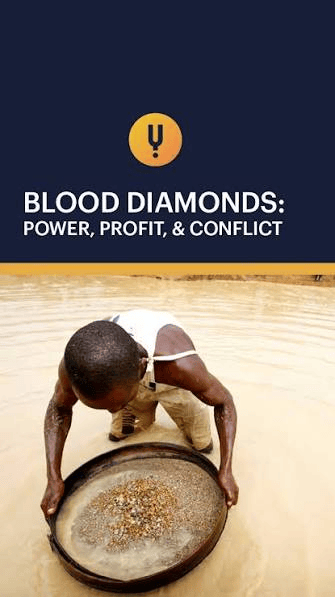
While some mines use heavy machines to do the work, about a third of the mines are so-called “artisanal” mines, where the work is done by hand by “freelance” workers. Roughly forty percent of the workers are children in unregulated pits, and most of those mines are owned by Chinese companies. The dust and grit from the mining gets in their lungs and kills them; and worse is that cobalt is toxic to touch and breathe. Hundreds of thousands of local people–mostly young women and children–mine the material for a few dollars a day, which they then must use to pay their way out of the mines to send home whatever money they have left, leaving them mostly in debt to the companies, much like share cropping or even slavery, and abuse is normal, including whippings and rape. This is from Siddharth Cara, a fellow at Harvard’s T.H. Chan School of Public Health. He insists after two decades of research and investigation that there is “no such thing as a clean supply chain.”

Some twenty-thousand people work at just one artisanal mine in the Lualaba region of the DRC. Armed forces are assigned by the government which is being paid serious money to make sure the mining continues and so-called overseers oversee the production much like overseers of slavery.

I was in the Lualaba region, very briefly, forty years ago. None of this was going on then, and the hills remained green and tranquil. I wondered what it looked like now so I looked it up on my smartphone, whose innards are built with the cobalt from this region. Guilty.

We won’t buy so called blood diamonds because of how they are mined, but no one is suggesting we boycott the companies who support this system of slavery pillaging the earth so we can have electric cars to protect the environment, and so we can have cell phones made from material mined by mostly starving children to be able to call our kids to make sure they are safe.

These phones, these cars, are available to us because of the spilled blood of people overrun by government troops, gathered up and moved to the mining district. The only true solution other than not using cellphones or buying electric cars is to pay the workers a real salary; formulate true working conditions so they can work with dignity and have a normal life. But their current salary is not expected to rise anytime soon. Of course not. It’s the DRC, the southeastern region of the Congo, one of the most dangerous places on the planet mostly because of these cobalt mines.

Samsung remains the largest manufacturer of smartphones.

The executive in charge of devices is Roh Tae-moon who earned roughly $4.5 million dollars last year.

The average cellphone costs about $571.

The average worker in the mines makes about $1.55 a day.

The average price of milk in the DRC is between $1.25 and $2.09 per liter.

At this point you might as well go buy that diamond you had your eye on.
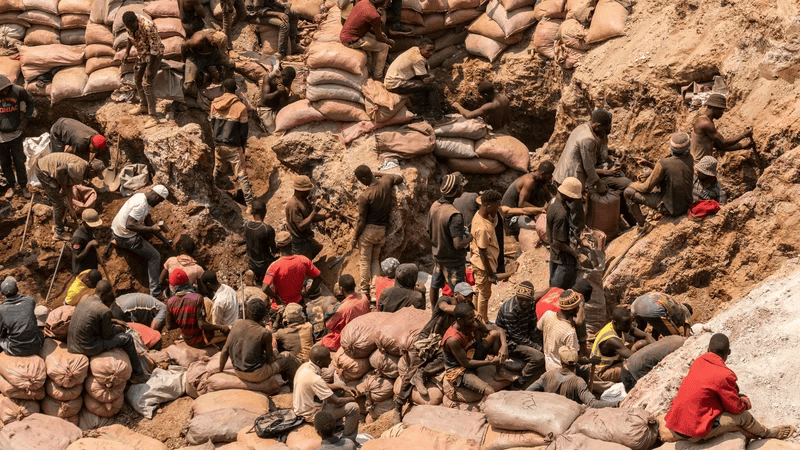
Shabara Artisanal Mine, DRC

I Can’t Trace Time

aerie one

Back to this wilderness.

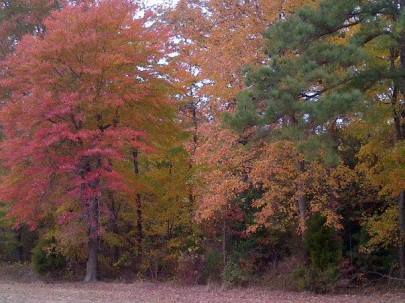
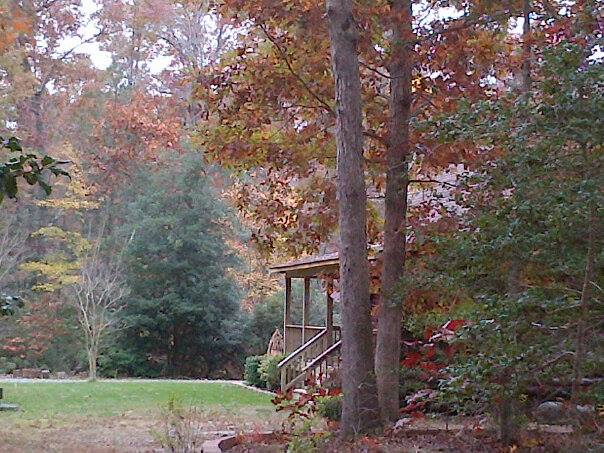
It occurred to me one day on my porch while staring at the surrounding woods, that at some point less than one hundred years ago none of those trees were there. The land has beautiful eighty foot oaks, some maples, tall thin pines and various other hardwoods including black walnut trees, which I am told can provide the ingredient necessary in the liqueur, Wild Spiced Nocino.

The branches protect birds as diverse as red-tailed hawks, downy woodpeckers, and countless chickadees, and they are habitat to other wildlife including one flying squirrel we spotted a few years ago when his tree fell. The squirrel was fine and found a new home in a white oak.

But a hundred years ago this was just land, sandy land, edged by the running Rappahannock River and backed by equally treeless farmland. A century before that these nearby plantations provided food for the region at the expense of slavery, and some slave descendants remain, selling vegetables at food carts out on the main road, or working the bay as watermen, telling stories about how the Chesapeake is just about farmed clean every season by crabbers at the mouth or the headwaters leaving nothing left for those working the midland shoals.

This area hasn’t changed much in one hundred years.

It is like this everywhere, the coming and going of things. In Manhattan a few hundred years before the wild construction on bedrock, coyote and deer were common. It was hilly (Manhattan means land of hills), and where the United Nations stands once stood grand oaks. The Lower West side was a sandy beach, and ecologists say if left to do what it wanted, most of the upper west side would be covered in trees and vines, shrubbery and wildflowers inside twenty years.

I can’t imagine what my house would look like if left untouched. When I don’t mow the lawn for a few weeks it looks like a refuge for timber wolves.

But these trees weren’t here a century ago and I sat on my porch and wondered if there had been other trees or if this land was barren, or was it used by the Powhatans, or was it home to some former slave family, or just a dumping ground. Evidence is scarce, buried beneath the roots of this small forest.

This happens to me everywhere I lived; I like to imagine what was on that spot one hundred, two hundred, a millennium earlier. The house I rented in Pennsylvania was used as a hospital during the civil war. Before that it was a farm. Now it is a Real Estate office. The maples which lined the road and shaded the living room are gone. Someone planted new ones but it will be decades before they mature. My house in Massachusetts was a fish market a century earlier. Purpose moves on with time. Maybe that’s why I’m so mesmerized by the Prague hotel I always stay at. It was the same building seven hundred years ago that it is now. But here on my porch I realize this house is the only place in my life I’ve lived for twenty years, and I was curious if five times that score of years ago I could sit on this spot and see right out on the water, or were there trees then as well, different ones which died or were timbered to make room for crops.

The house is made from western pine forested on land which I assume is either now empty of trees or filled with young pines waiting to become log homes. What will be left a hundred years from now? Will someone sit on this same porch and look right out toward the bay once these oaks have long fallen? I know this house, this land, is a “hotel at best” as Jackson Browne despondently points out. “We’re here as a guest.”

Wow. Wrote myself into some sad corner there. Thanks Jackson.

I know nothing is as permanent as nature, despite the constant changes. It simply isn’t going anywhere. We are. So I like to remember that a century ago farmers sat here and talked about the bounty in the soil, or talked to 19th century watermen about the changing tides. And I like to realize that a hundred years before that the nearby swampland, now home to so many osprey and egrets, was a major route for runaway slaves. They’d have been safe in these woods, if there were woods then.

I like to do that because it reminds me a hundred years from now perhaps I will have left some sort of evidence of my passing through; even if just in the cultivation of language, the farming of words.

So I sit on the porch and listen to the wind through the leaves. It is now; it is right here, now. Sometimes at night we stand in the driveway with the telescope and study Saturn, or contemplate the craters on the moon—both here long before us and in some comforting way, long after we’re gone.

In spring and fall the bay breezes bring music even Vivaldi would envy, and I’ll listen to his Four Seasons, written nearly four hundred years ago, and listen to the wind through the leaves of these majestic, young trees reaching eighty feet high, and be completely, perfectly in the moment.

Despite the warming trends, the extreme tendencies of weather, the fragile ecosystem which sustains life, nature is still the only place I have found that really doesn’t change. It never has. Ice ages and dust bowls will alter it, but eventually some seed will take root.

aerie two