I heard an interesting comment on NPR last week. When talking about someone who died by suicide, the victim’s brother said he didn’t think his sibling didn’t like life anymore as their mother had suggested, but just didn’t like one particular part of life, and somewhere over the course of time—maybe weeks, maybe months or longer—the poor man hyper focused on that one aspect until it became a monster, blocking his view of any other aspect of existence remotely salvageable; even the finest reasons to continue were saturated with the pain of one part, perhaps even a small part, of life.
On the one had it made their mother feel a bit stronger—that her late son did not despise life, and in particular perhaps not the life she and her husband had built for them, but one thing happened, who knows what, and that overtook him despite the beauty around him. He couldn’t see past that monster any longer, and in his then-compromised view, nothing else existed any longer. Life became about the pain-inflicting monster, so killing oneself seemed the only clear way to end the pain.
On the other hand, for those who still know someone with some form of depression, particularly situational depression and not chronic or manic depression, being able to unearth and understand that aspect of life which has the potential to take over a person’s mind can help isolate it and, over time maybe, destroy it. At the very least the knowledge of the issue might help others keep it in perspective, perhaps even eliminate it.
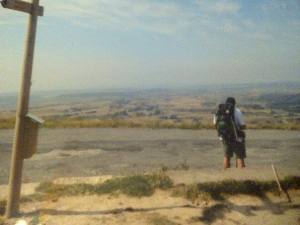
The surviving brother then, almost off-handedly, said, “I wish we had gone hiking more.” No one picked up on it; at least not on air. But I did. It slid right in my thought process and simmered all day. His brother must have been considering how things might be different if he had helped replace the monster with something more powerful, more soul-owning. For them, apparently, hiking. Had they gone enough times, or consistently enough anyway, for the deceased to have discovered that hiking was his life and he now could own that choice, his routine and whatever negative issues came up—a problem with a partner, finances, even simple malaise that chronically depressed people will never be able to explain—would be minimized by the power found in something positive.
It doesn’t have to be hiking. Could be music, sports, food. But something active, something visceral and kinetic.
I asked my students the other day how much time each day do they spend watching other people live their lives or pretend to live life. That is, how much time are they stagnant viewing other people’s happenings on tv, movies, TikTok, etc. I’m not talking about going to events like sports or lectures or the like. No, those are very participatory. I mean the dead-brained observation we do that when we’re done—or better stated, when we take a break–we are exhausted, and we never did a damn thing.
The suicide rate among college-aged students is about 2 percent, about 1100 per year, and about 25% know of someone who killed themselves, and just over that percentage thought about it themselves, all of them offering as their primary motivators pressure, helplessness, relationships, loneliness, and money.
It takes just one issue to debilitate a person, make them feel hopeless, and all the time in the world trying to balance it with positive acts cannot extract that monster from the mind, and eventually ration slides away so that suicide is not a conscious decision but in itself a rational act to eliminate the pain, which by that point is all there is.
And later people say they wish they knew, they say they would have helped. The man on the radio said, “He asked for help; we told him we had helped him all we could and he had to do this alone.” He was riddled with guilt, but then realized that the way he could have helped may not have been clear to either his brother or him at the time. One just assumes the help one asks for when in a bad place is the only way to help them out of that place, but that’s not always accurate; in fact, it is often hardly ever accurate. “I just should have been there more, called and asked how he was doing more, had lunch,” the brother added. Exactly.
Yes. He should have, but not because of his tragic loss, but because we are humans, responsible for each other, and I am so guilty of not being there for others it is disturbing. I can change that, but there are some things I cannot change. We can at least change the things we can. I’ll leave the wisdom part for someone else.
I guy I knew a long time ago told me a story about a friend who couldn’t see past a bad relationship, a mentally abusive relationship, and saw no way out of it, particularly since they just had a baby girl. In all other aspects of his life he was okay, very giving, impossibly kind to others, but he felt he had nowhere to turn. His mother ignored him, his father tried to help but without emotion, making it difficult. And he thought his friends had moved on. One morning the troubled one called a friend, but the friend didn’t answer the phone. The friend was pretty sure he knew who was calling and that he was probably depressed, but he didn’t want to deal with it at that moment. Three hours later the guy I knew called to tell him that the troubled one killed himself. He told the friend that the widow told him his last outgoing call was to the friend. He thought it would make him feel good to know the dead guy was thinking of him, probably missed him. He had no way of knowing that the man had ignored that very call. I knew these people; and it is easy to say there was nothing anyone could have done, but that simply isn’t true. We just tell ourselves that. Certainly we may not be able to save someone’s life, but we can save some time for them. It’s a tough call but an easy decision; make the call, stop by, go for a walk. Grab some tea.
Give them a reason.
We are here for each other. It’s all we have. We are only here for each other. We can’t save others if they don’t want to be saved, but by trying to help others we just might end up saving ourselves.

 a view from this wilderness