I Barely Remember When

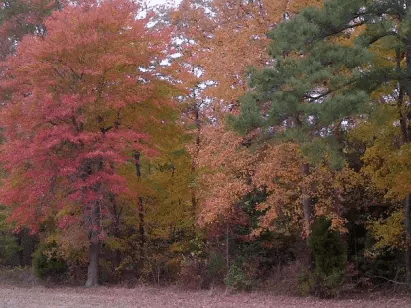
Fall has arrived and the breezes this weekend cleared away most of what was left of summer. Last week at home I walked along the river like I always do this time of year when the water laps at my feet, it is warmer than the air, inviting, deceiving, teasing me into thinking summer will push back on autumn and maybe even win out. I don’t mind the change so much; I’m not bothered by the passing of time as much as how I spend the passing of time.

The leaves are just beginning to change here, and my drive in a few weeks to West Virginia will bring me through every stage of autumn. Sometimes you can see all the changes happen in one day. Crazy. Well, the truth is, some things need to change. Even with resistance, sometimes it is the only way to make room for new growth.

For me even the seasonal change from summer to fall is often troublesome. Again, I don’t mind fall—my days in western New York and Massachusetts are most memorable for this time of year. And obviously I know it is going to happen. I watch the weather, I mark the calendar, I see the leaves letting go. But still it always takes me by surprise. I wake up one day and I need to wear more clothes, or I no longer feel the sun so strong on my shoulders, and I am saddened. The Seasonal Affective Disorder which strikes some of us in February can also have its way in October, though usually not as bad.

This year is different; I’m both tired of change and in desperate need of some right now.

In kindergarten I liked a little red-haired girl, Kathleen.

Stay with me here.

Just like Charlie Brown I was afraid to approach her. At the same time I was thrilled I met someone I would get to grow up with. We were in the same class until third grade when at the end of the school year my family moved much further out on the Island. Instead of saying goodbye to her I made a card that said, “I love you” and threw it at her in the hallway. I think she got it. Now I wish I had just handed it to her politely and said I was sorry I was moving. I never saw her again. I probably didn’t handle that relationship well. The change, however, the move east to what would become where I would forever call “where I am from,” was unexpectedly pleasant despite my resistance at first. The same thing happened when I was fourteen and moved to Virginia Beach, four hundred miles south. I absolutely and definitively did not want to go; I’m so glad we did.

During each major change in life, though, I consistently ignored the advice of my older siblings or from examples set down on television or in school. I simply preferred to assess a situation and have at it on my own terms, even if it meant complete and utter disaster. I was slow to learn as a result, but I gained that small bit of confidence we used to earn out on our own, trying and failing, fantasizing and acting and pretending. You simply never know when those youthful lessons will return to come in handy, see us through an unexpected left-turn, help us through the changes. And it seems these days everything is changing, doesn’t it? It’s as if people in positions of power are scanning the horizon to see what they can disrupt next. Even friends are acting strange, distant, and when the very essence of what we can count on is no longer predictable, we must either adapt or run away. I’m running away.

I thought about those years, my early youth in on Long Island, and how innocent it all was; how we flipped baseball cards and played stickball. We had block parties where the block would be closed to traffic and we all put picnic tables and grills out and walked up and down the street talking to everyone else and sharing food, and riding bikes, and the adults had drinks and the kids had fun. Television went off the air at night, just a fuzzy white noise until the early morning when a black and white flag waved across the screen and some dude said, “We now begin our broadcast day” after the National Anthem.

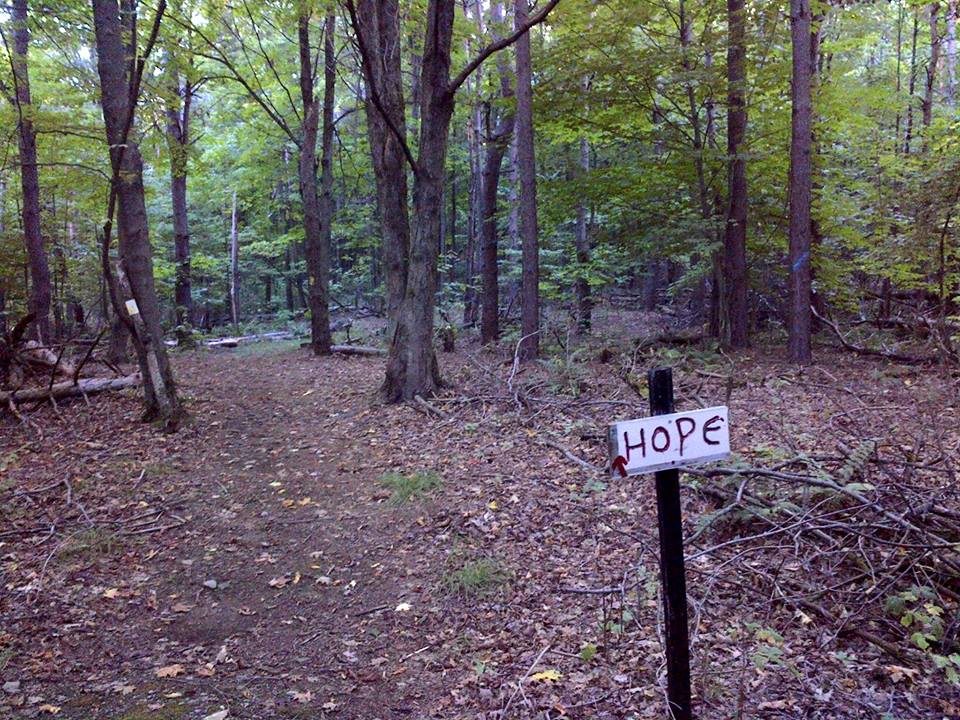
This was the age of my youth. It was innocent and tech-free and filled with hippies and protests and flag-burning and marches and sit-ins and rumbles. The laughable Mets became the champs and we walked on the moon. On the moon, for God’s sake. How can you possibly not understand why at the core of my generation is some semblance of hope, still simmering. Hope is what got us through; the hope of humanity, the hope of leaders, the hope of lovers and friends. We were not a generation of followers staring at our hands; not by any stretch of the imagination. So when the times were a ‘changing, we changed—or we were the ones causing the change to begin with. And as we grew older, those organic traits became part of our DNA.

But hope in everything is fragile now. And the falling leaves are no help; not for me anyway.

It almost seems ridiculous and it is certainly ironic that the best way for me to handle these unexpected and troublesome changes is to, in fact, change. So be it. “To change is to be new. To be new is to be young again.”

“If you do not change direction, you may end up where you are going.”

–Lao Tzu

We now begin our broadcast day.

SAD

Sometimes you can sense some sort of lethargy this time of year revealing itself in blatant ways, like not wanting to go to work, not filling out some forms or editing some article, not bothering to return important calls completely out of a sense of avoidance, as if you might be able to wait long enough and all of this will pass—this stuff that brings you down, and to be honest, you’re not really sure what that stuff is. The idleness of society maybe, the constant sense of impending doom reported in all forms of media about democracy, about pandemics, about weather, about climate, about the economy, about depression and isolation. You have no reason to take any of it personally, but some people can’t let it go, and it weighs heavy, so you aim for avoidance, which unfortunately ends up a heavier burden.  

Sometimes the withdrawal is subtle. You can sense yourself not trying as hard or caring as much, like eating whatever is around instead of thinking it through, not going for a walk because you don’t want to be bothered putting on a coat or dealing with any sensory change. You’re sitting; you’re comfortable, and you’re numb. It works. 

Numb is good.

In both situations you are absolutely aware of it. Going for a walk helps. Filing out the forms, returning calls, all help by providing a sense of accomplishment and forward motion, like checking things off the to-do list, it leaves you with the hint that if you keep going there’s something worthwhile on the other side.

There’s the rub. It seems you keep reaching the other side and there’s still nothing there to lift the spirits, not this season anyway—more hostility in the east, more pessimism in our government, more variants on deck ready to step to the plate after Omicron smacks a triple into right field, and fires in LA so out of control it’s hard to watch or imagine. So you try a little less at one task, and it spirals from there. You realize your handwashing time has dropped to about 12 seconds. It’s not depression; it’s, well, yeah, it’s depression, but not in the deeply caving sense; in the “whatever” sense.

The problem with this type of malaise is it can be debilitating to you without being scary to others if you are not suicidal. The truth is, the vast majority of people who deal with depression are not contemplating suicide and will never kill themselves, which is what most friends fear most, and when those friends learn that is not part of the equation, they feel better. But that can often make it worse since the objective is for you to feel better, not them. But that’s fair since you know what they don’t: that a different suicide exists, a slow erosion of sorts, which anonymously eats away at ambition and accomplishment, takes the edge off of energy and momentum. It’s the guy sitting at a bar nursing a beer, nowhere to go despite having a million things to do. It’s the one on the park bench watching people walk by but not noticing a single one of them; it’s the inability to concentrate, the disinterest in listening, the short responses to questions, the inability to make it through the most basic of activities. It’s writing endless emails about nothing to others in some attempt to reach out; but that just backfires. Rational thought has nothing to do with it. “Knowing” what to do is not relevant. Your mind is suspended, your thought process withdraws into some elementary state.  

On the one hand it’s situational—financial problems, relationship problems, blizzards. But it can also be chemical if you don’t have medical help. It’s addiction without restraint. It’s a combination of these, and it is unpredictable because the same thing that leaves you in bed staring at the ceiling feeling hopeless can drive you to your feet to tackle whatever it is that left you prostrate to begin with. It is a conundrum that plays handball in your brain.

The guy at the bar with the beer, the woman in the park, the man at the river watching the tide roll out, all know exactly what the problem is. But their brains are aflush with fog, their anxiety has disabled their decision-making capabilities, and their strongest assets and most celebrated talents that normally keep them going the rest of the year, are no longer applicable since they carry a sense that those traits are probably what brought them to this place to begin with. They sit and wonder what if. They sit.

“Maybe if I had just…”

“Perhaps I should have…”

“Fuck it.”

At some point it seems you stop fighting altogether and are either not afraid to hit bottom, or you hope to use that bottom to bounce back, not afraid to fail since it can’t be worse than this. It is extreme but that is part of the diagnosis—extremes, polar reactions—sometimes both in one day. Sometimes within one hour.

More often than not, the guy on the corner holding the cardboard sign didn’t “decide” to quit, didn’t give up, but “felt” a pressure that he no longer could handle or define, caught in some stream of disconnect and hopeless confusion. Sometimes the one who does, in fact, tragically go that last fatal step didn’t “decide” to do anything at all, and that is the point. Suicide is not a decision. It is one step beyond decision making. The vast majority of people who deal with depression have that in check, less so in the dead of winter, of course.

But that’s not you. Truly. And that is the problem; you really aren’t suicidal at all. And when suicide is not part of the equation, others feel that you must be “okay,” or “going through something right now.”

Yeah, winter, you’re going through a snow bank. This is the worst time of year for many people with depressive issues. Seasonal Affective Disorder is real and feels like all of the above. Nothing helps but time, but time to some people sounds like the slow drip of icicle melt. Others say you’ll get over it, it will pass, hang in there, talk to someone. Yes, all of the above, but right now–right this minute–you need help and you don’t know it.

Other people try to help so they talk about the weather or sports or anything at all with enthusiasm and a sense of caring, but it often makes it worse, only emphasizes that others get excited about the minutia while you can no longer find value in a sunrise.

And the disguises are nothing short of cunning. I’ve known people fighting depression who on the outside resonate as the very poster image of Carpe Diem. I’ve been friends with people who contemplated overdosing on Monday while making plans for Tuesday, who loved others more than the average soul but only wanted their puppy nearby at checkout time, and people who fought depressive ways by pushing adventure to the limit, and beyond. “What a lust for life!” people exclaimed. They had no idea.

It isn’t exactly depression, by the way, though it is easier to simply call it that because it certainly wears the same eyeshadow as depression. It is indifference; it is a vague inability to muster the energy to lift your spirits enough to give a damn about anything. It’s not like you woke up depressed so you decided to stay on the couch all day; you simply don’t care that you’re on the couch to begin with. Complete apathy. You’re not down about anything; you answer “fine” because you really are fine; fine’s a fine word; vague and indifferent. It has the definitive weight of a horse shoe and the value of fog. “I’m fine, really,” should never be left alone with a person who fights depression.

Ironically, for most of these afflicted people, life is amazing, every half-beat is a moment of “miracles and wonder” which is why you cannot comprehend the misuse of time. The abuse of time in so short a life, you think, is as suicidal as the abuse of substances, and that can be depressing as well.

It is the time of year when you wake at three am knowing nothing is going to work, and you’re going to lose your house and your sense of security and no answer makes sense, no way forward seems rational. Equally, the dawn can come with new ideas and hope, and if you push those moments far enough into the morning, you just might be able to make a day of it. But January has 285 days. And February is several months long. March? Well you well know that March is merely a tease. April comes and breathing is easier. May, and nothing stands in your way. But in January it is safe to say yet difficult for others to understand that May hasn’t even been invented yet. It doesn’t exist and neither will you by then.

On the outside you seem to be fine. On the inside you’re grasping the thin rope of enthusiasm with clenched fists, pretending all will be well, but your insides—much against your will—are shredding at the thought of what to do next.

You “hang in there.” You “get through it.” You suffer the trite suggestions of others who simply can’t understand what the big deal is. That’s okay though, you think. Really. There are no solutions, per se. Just more questions. And “hang in there” is at the very least an acknowledgement you really aren’t trying to dismiss your very existence; it just happens sometimes. Depressed people do not feign depression; they feign contentment.

This afternoon I went to the river where a bitter breeze is pushing down from the west. There’ll be ice tonight somewhere, and snow, but I sat reminding myself I have been there, touched that ring of undefinable despair, and I’ve moved through it, sometimes with difficulty, often with ease, always with the knowledge that I’ve had one freaking incredible life so far, and time enough left, I hope, to continue my pilgrimage well into the next mood swing. But there are moments, collisions with frustration at the gap between the way things are and the way things should be, that catch some people off guard. “You’ve been like this before,” a dear friend told me not long ago when things were less than fine. “And you’ll be like this again.” And all you can think is, “Yes I will, like right now.” But what she meant was this is you, this is part of your DNA, this is as much you as your skin. What she meant was there is no “fighting” the tigers that come at night. Better to sit and dine with them, and wait. Just wait.

And Eventually you remember that the seasons, like everything else, change. And love is holding the other end of that thin line you’re grasping.

I’ve been released
And I’ve been regained
And I’ve been this way before
And I’m sure to be this way again
Once more time again

–N. Diamond

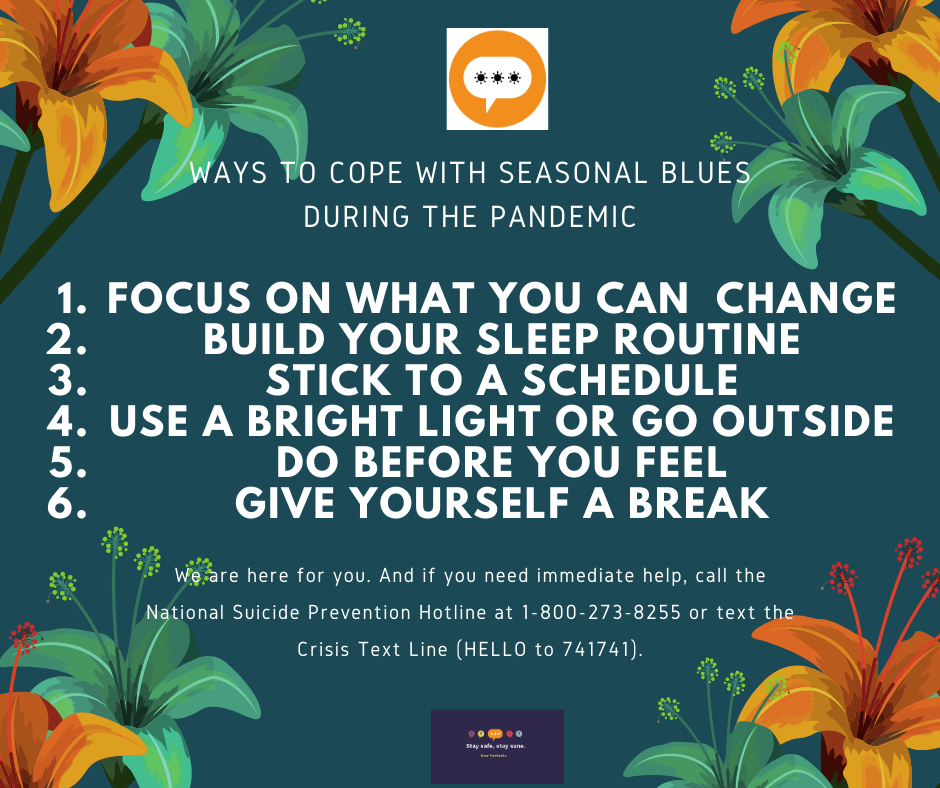
First the COVID-19 pandemic, now winter….is seasonal depression coming my  way? — Dear Pandemic

A Season Out of time

Sometimes you can sense some sort of lethargy this time of year revealing itself in subtle ways, like not wanting to go to work, not filling out some forms or editing some article, not bothering to return important calls completely out of a sense of avoidance, as if you might be able to wait long enough and all of this will pass—this stuff that brings you down, and to be honest, you’re not really sure what that stuff is. The idleness of society maybe, the constant sense of impending doom reported in all forms of media about democracy, about pandemics, about weather, climate, Ukraine, Gaza, shootings, political attacks, corruption, the economy, about depression and isolation. You have no reason to take any of it personally, but some people can’t let it go, it is so overwhelming and it weighs heavy, and you wonder how can you hold out hope for anything, let alone just one good day, when humanity is humiliating itself; so you settle for avoidance, which adds to the isolation, which fans the grief.  

And you wonder what happened to everyone; what did you say or do to create some distance with family or friends, which may not be true at all, but with Seasonal Affective Disorder, it’s exactly true, and it’s your fault, clearly, and you know you’ve made mistakes but you know also what no one else does, that some contact can cure, even for a short while, some malaise.

You can sense yourself not trying as hard or caring as much, like eating whatever is around instead of thinking it through, not going for a walk because you don’t want to be bothered putting on a coat or dealing with any sensory change. You’re sitting; you’re comfortable, and you’re numb. It works. Numb is good.

Going for a walk helps. Filing out the forms, returning calls, all help by providing a sense of accomplishment and forward motion, like checking things off the to-do list, it leaves you with the hint that if you keep going there’s something worthwhile on the other side. You convince yourself it is the medicine side effects. You tell yourself the mistakes you made are in the past; you know it doesn’t matter.

There’s the rub. It seems you keep reaching the other side and there’s still nothing there to lift the spirits, not this season anyway—more hostility in the east, more pessimism in our government, more variants on deck ready to step to the plate after some new mass shooting smacks a triple into right field. So you try a little less at one task, and it spirals from there. You realize it’s not depression; it’s, well, yeah, it’s depression, but not in the deeply caving sense; more like in the “whatever” sense. You tell yourself you’re not even close to suicidal; then you read telling yourself that is a bad sign.

More spiraling.

The problem with this type of malaise is it can be debilitating to you without being scary to others if you are not suicidal. The truth is, the vast majority of people who deal with depression are not contemplating suicide and will never kill themselves, which is what most friends fear most, and when those friends learn that is not part of the equation, they feel better. But that can often make it worse since the objective is for you to feel better, not them. But that’s fair since you know what they don’t: that a different suicide exists, a slow erosion of sorts, which anonymously eats away at ambition and accomplishment, takes the edge off of energy and momentum. It’s the guy sitting at a bar nursing a beer, nowhere to go despite having a million things to do. It’s the one on the park bench watching people walk by but not noticing a single one of them; it’s the inability to concentrate, the disinterest in listening, the short responses to questions, the inability to make it through the most basic of activities. It’s writing endless emails about nothing to others in some attempt to reach out; but that just backfires. Rational thought has nothing to do with it. “Knowing” what to do is not relevant. Your mind is suspended, your thought process withdraws into some elementary state.  

On the one hand it’s situational—financial problems, relationship problems, blizzards. But it can also be chemical if you don’t have medical help. It’s addiction without restraint. It’s a combination of these, and it is unpredictable because the same thing that leaves you in bed staring at the ceiling feeling hopeless can drive you to your feet to tackle whatever it is that left you prostrate to begin with. It is a conundrum that plays handball in your brain.

The guy at the bar with the beer, the woman in the park, the man at the river watching the tide roll out, all know exactly what the problem is. But their brains are aflush with fog, their anxiety has disabled their decision-making capabilities, and their strongest assets and most celebrated talents that normally keep them going the rest of the year, are no longer applicable since they carry a sense that those traits are probably what brought them to this place to begin with. They sit and wonder what if. They sit.

“Maybe if I had just…”

“Perhaps I should have…”

“Fuck it.”

At some point it seems you stop fighting altogether and are either not afraid to hit bottom, or you hope to use that bottom to bounce back, not afraid to fail since it can’t be worse than this. It is extreme but that is part of the diagnosis—extremes, polar reactions—sometimes both in one day. Sometimes within one hour.

More often than not, the guy on the corner holding the cardboard sign didn’t “decide” to quit, didn’t give up, but “felt” a pressure that he no longer could handle or define, caught in some stream of disconnect and hopeless confusion. Sometimes the one who does, in fact, tragically go that last fatal step didn’t “decide” to do anything at all, and that is the point. Suicide is not a decision. It is one step beyond decision making. The vast majority of people who deal with depression have that in check, less so in the dead of winter, of course.

But that’s not you. Truly. And that is the problem; you really aren’t suicidal at all. And when suicide is not part of the equation, others feel that you must be “okay,” or “going through something right now.”

Yeah, winter, you’re going through a snow bank that’s three months thick. This is the worst time of year for many people with depressive issues. Seasonal Affective Disorder is real and feels like all of the above. Nothing helps but time, but time to some people sounds like the slow drip of icicle melt. Others say you’ll get over it, it will pass, hang in there, talk to someone. Yes, all of the above, but right now–right this minute–you need help and you don’t know it.

Other people try to help so they talk about the weather or sports or anything at all with enthusiasm and a sense of caring, but it often makes it worse, only emphasizes that others get excited about the minutia while you can no longer find value in a sunrise.

And the disguises are nothing short of cunning. I’ve known people fighting depression who on the outside resonate as the very poster image of Carpe Diem. I’ve been friends with people who contemplated overdosing on Monday while making plans for Tuesday, who loved others more than the average soul but only wanted their puppy nearby at checkout time, and people who fought depressive ways by pushing adventure to the limit, and beyond. “What a lust for life!” people exclaimed. They had no idea.

It isn’t exactly depression, by the way, though it is easier to simply call it that because it certainly wears the same eyeshadow as depression. It is indifference; it is a vague inability to muster the energy to lift your spirits enough to give a damn about anything. It’s not like you woke up depressed so you decided to stay on the couch all day; you simply don’t care that you’re on the couch to begin with. Complete apathy. You’re not down about anything; you answer “fine” because you really are fine; fine’s a fine word; vague and indifferent. It has the definitive weight of a horse shoe and the value of fog. “I’m fine, really,” should never be left alone with a person who fights depression.

Ironically, for most of these afflicted people, life is amazing, every half-beat is a moment of “miracles and wonder” which is why you cannot comprehend the misuse of time. The abuse of time in so short a life, you think, is as suicidal as the abuse of substances, and that can be depressing as well.

It is the time of year when you wake at three am knowing nothing is going to work, and you’re going to lose your house and your sense of security and no answer makes sense, no way forward seems rational. Equally, the dawn can come with new ideas and hope, and if you push those moments far enough into the morning, you just might be able to make a day of it. But January has 285 days. And February is several months long. March? Well you well know that March is merely a tease. April comes and breathing is easier. May, and nothing stands in your way. But in January it is safe to say yet difficult for others to understand that May hasn’t even been invented yet. It doesn’t exist and neither will you by then.

On the outside you seem to be fine. On the inside you’re grasping the thin rope of enthusiasm with clenched fists, pretending all will be well, but your insides—much against your will—are shredding at the thought of what to do next.

You “hang in there.” You “get through it.” You suffer the trite suggestions of others who simply can’t understand what the big deal is. That’s okay though, you think. Really. You absolutely know, logically, it is chemical; while at the same time you absolutely know, logically, the world has moved on without you. There are no solutions, per se. Just more questions. And “hang in there” is at the very least an acknowledgement you really aren’t trying to dismiss your very existence; it just happens sometimes. Depressed people do not feign depression; they feign contentment.

This afternoon I went to the river where a bitter breeze is pushing down from the west. There’ll be ice tonight somewhere, and snow, but I sat reminding myself I have been there, touched that ring of undefinable despair, and I’ve moved through it, sometimes with difficulty, often with ease, always with the knowledge that I’ve had one freaking incredible life so far, and time enough left, I hope, to continue my pilgrimage well into the next mood swing. But there are moments, collisions with frustration at the gap between the way things are and the way things should be, that catch some people off guard. “You’ve been like this before,” a dear friend told me not long ago when things were less than fine. “And you’ll be like this again.” And all you can think is, “Yes I will, like right now.” But what she meant was this is you, this is part of your DNA, this is as much you as your skin. What she meant was there is no “fighting” the tigers that come at night. Better to sit and dine with them, pour some Bailey’s on the rocks, and wait. Just wait.

And Eventually you remember that the seasons, like everything else, change. And love, despite its bad reputation, is holding the other end of that thin line you’re grasping.

Because nothing else matters but love. Nothing.

I’ve been released
And I’ve been regained
And I’ve been this way before
And I’m sure to be this way again
One more time again

–N. Diamond

It is Always Possible–Dalai Lama

Northern Cardinal in American Holly in Winter, Marion, Illinois, Usa'  Photographic Print - Richard ans Susan Day | AllPosters.com

My last blog was about Seasonal Affective Disorder, SAD, and two people I care about asked me if I was okay, noting this particular entry at A View from this Wilderness was a bit dark; and it was, they’re right. I tried to write that piece in second person in an effort to point the diagnosis out toward the reader, but it was difficult to remain in the background on a subject close to my life. Their simple inquiry brought to light something common: often we don’t even realize we’ve slipped into a dark place, a malaise, a lack of presence. It just happens while we’re hyper-focused on something else. Then someone says, “Hey, you okay?” Wow, how much that means, and most people have no idea that those “little, nameless, unremembered acts of kindness and love” as Wordsworth called them, can quite literally save lives.  

It takes only that for the ones in the dark to shake their psyche and take a breath and return to some form of balance.

It really does work, you know. The dollar to the dude with the sign, a nod to a stranger standing outside a store in winter, looking in; holding the door, saying thank you, the small things, the activities of a person who is present, who is awake each moment. It is so easy considering it is so rare; Rousseau said the most important lesson any child can learn is simply this: “Never hurt anybody.” Okay, and then throw in a few kind words and really make an impact. I promise you, the one who seems fine might very well not be; but more than this is how little it takes to absolutely grab a soul who is down without knowing why and set them right again. No kidding, it is so easy. The funny thing is when you do these things, recognize others, it lifts your spirits as well—imagine, two people pulling each other up in a matter of moments because one of them was present enough to acknowledge the other. Blaise Pascal wrote that “kind words cost nothing but accomplish much.” Yep.

It’s snowing again, and a bit of sleet. Tomorrow night will be one to three inches, which for most of the reading world is laughable as “accumulation,” but for those of us in coastal Virginia, we understand the lunacy on the roads when locals head to 711 in the same driving fashion they use in summer after watching a NASCAR race. But it is beautiful, to put it mildly. The holly and laurel green are covered in white, and cardinals looking for food find refuge in these and the evergreens. A friend just wrote that there’s something about a cardinal in a pine in winter that fills his soul—yes, exactly.

And this is what I’m talking about: the simple things, the generous offerings of natural beauty, the deep-woven connections of conversations and laughter with friends or family. Whatever depression or indifference one may carry without obvious cause, without visible scars, can so easily be chased to the margins by the simplest of moments and the seemingly fleeting kindness of others. They have no idea, they really have no idea of the impact they have on one floundering. Some think it takes hours of therapy and years of acclimation, and perhaps it does for so many, but equally it takes seconds, and most of us know that, but we forget.

You know someone in a nursing facility? A quick call to say, “I can’t stay on but I was thinking of you and wanted to say hi,” can illuminate the darkest of afternoons. Bertrand Russell said to “remember your humanity, forget everything else.”

This must be true now more than ever, when isolation is standard, when even a hug is seemingly forbidden, and we can’t even smile at each other when masks are in play. Sometimes I get so down I forget to look up on a clear night and remind myself how easy it is to find beauty, but also how easy it is to be kind, and to remind myself that as Emerson said, “To know even one life has breathed easier because you have lived, this is to have succeeded.”

“Are you okay?” These words are oxygen, they’re pain relievers, they’re anti-depressants. What can be a normal phrase to one person is an umbilical to new life for someone else. We too often don’t even consider common concern to be uncommon, but it is.  

I’ll be down again, indifferent, and completely unambitious, but not right now, not the least of reasons being two people asked how I was. And, recalling Sophocles who wrote that “kindness gives birth to kindness,” I made a few calls, held a few doors—was human, that’s all, but for so many who don’t even realize they’re slipping into somewhere else, somewhere darker, that’s everything.

 “Be kind whenever possible. It is always possible.” —The 14th Dalai Lama.

Seasons Out of Time

Seasonal Affective Disorder | NCCIH

My doctor hit me with the normal “How are you doing?” and then asked, because I’m on some BP cocktail, if I get depressed.

“Yes, of course.”

“Do you ever feel suicidal?”

“Some semesters, sure.” Turns out doc doesn’t really have a sense of humor. “No, never.” We talked some more and he said, “Well we may want to check into having you talk to someone to see if you have Seasonal Affective Disorder. SAD.”

“Isn’t it possible I simply don’t like winter? When it is cold I shrivel up. I miss my flip flops and shorts and the hot sun and the salty water. It’s Winter. I’m going to be bleh until well into Spring. I mean, I like snow, I really do, it’s just that it sucks.”

He laughed and told me to take care and come back in six months and I assumed he meant when my mood improves, and we talked some more but I knew something he couldn’t possibly know about me: humor is my go-to response when I really don’t know what to say.

Sometimes you can sense some sort of lethargy this time of year revealing itself in blatant ways, like not wanting to go to work, not filling out some forms or editing some article, not bothering to return important calls completely out of a sense of avoidance, as if you might be able to wait long enough and all of this will pass—this stuff that brings you down, and to be honest, you’re not really sure what that stuff is. The idleness of society maybe, the constant sense of impending doom reported in all forms of media about democracy, about pandemics, about weather, about climate, about the economy, about depression and isolation. You have no reason to take any of it personally, but some people can’t let it go, and it weighs heavy, so you aim for avoidance, which unfortunately ends up a heavier burden.  

Sometimes the withdrawal is subtle. You can sense yourself not trying as hard or caring as much, like eating whatever is around instead of thinking it through, not going for a walk because you don’t want to be bothered putting on a coat or dealing with any sensory change. You’re sitting; you’re comfortable, and you’re numb. It works. Numb is good.

In both situations you are absolutely aware of it, like an alcoholic staring at a glass of whiskey and saying to himself, “This is a really bad idea.” But he drinks anyway because not drinking means “dealing” with a life that just doesn’t seem to have any silver lining. The irony? Going for a walk helps. Filing out the forms, returning calls, all help by providing a sense of accomplishment and forward motion, like checking things off the to-do list, it leaves you with the hint that if you keep going there’s something worthwhile on the other side.

There’s the rub. It seems you keep reaching the other side and there’s still nothing there to lift the spirits, not this season anyway—more hostility in the east, more pessimism in our government, more variants on deck ready to step to the plate after Omicron smacks a triple into right field. So you try a little less at one task, and it spirals from there. You realize your handwashing time has dropped to about 12 seconds. It’s not depression; it’s ghosting, it’s, well, yeah, it’s depression, but not in the deeply caving sense; in the “whatever” sense.

The problem with this type of malaise is it can be debilitating to you without being scary to others if you are not suicidal. The truth is, the vast majority of people who deal with depression are not contemplating suicide and will never kill themselves, which is what most friends fear most, and when those friends learn that is not part of the equation, they feel better. But that can often make it worse since the objective is for you to feel better, not them. But that’s fair since you know what they don’t: that a different suicide exists, a slow erosion of sorts, which anonymously eats away at ambition and accomplishment, takes the edge off of energy and momentum. It’s the guy sitting at a bar nursing a beer, nowhere to go despite having a million things to do. It’s the one on the park bench watching people walk by but not noticing a single one of them; it’s the inability to concentrate, the disinterest in listening, the short responses to questions, the inability to make it through the most basic of activities. Rational thought has nothing to do with it. “Knowing” what to do is not relevant. Your mind is suspended, your thought process withdraws into some elementary state.  

On the one hand it’s situational—financial problems, relationship problems, blizzards. But it can also be chemical if you don’t have medical help. It’s addiction without restraint. It’s a combination of these, and it is unpredictable because the same thing that leaves you in bed staring at the ceiling feeling hopeless can drive you to your feet to tackle whatever it is that left you prostrate to begin with. It is a conundrum that plays handball in your brain.

“They say the first step in dealing with a problem is admitting you have one.”

Yeah, okay; no one I know in this situation has much of a problem admitting it.  

But what’s step two? Because the guy at the bar with the beer, the woman in the park, the man at the river watching the tide roll out, all know exactly what the problem is. But their brains are aflush with fog, their anxiety has disabled their decision-making capabilities, and their strongest assets and most celebrated talents that normally keep them going the rest of the year, are no longer applicable since they carry a sense that those traits are probably what brought them to this place to begin with. They sit and wonder what if. They sit.

“Maybe if I had just…”

“Perhaps I should have…”

“Fuck it.”

At some point it seems you stop fighting altogether and are either not afraid to hit bottom, or you hope to use that bottom to bounce back, not afraid to fail since it can’t be worse than this. It is extreme but that is part of the diagnosis—extremes, polar reactions—sometimes both in one day. Sometimes within one hour.

More often than not, the guy on the corner holding the cardboard sign didn’t “decide” to quit, didn’t give up, but “felt” a pressure that he no longer could handle or define, caught in some stream of disconnect and hopeless confusion. Sometimes the one who does, in fact, tragically go that last fatal step didn’t “decide” to do anything at all, and that is the point. Suicide is not a decision. It is one step beyond decision making. The vast majority of people who deal with depression have that in check, less so in the dead of winter, of course.

But that’s not you. Truly. And that is the problem; you really aren’t suicidal at all. And when suicide is not part of the equation, others feel that you must be “okay,” or “going through something right now.”

Yeah, winter, you’re going through a snow bank. This is the worst time of year for many people with depressive issues. Seasonal Affective Disorder is real and feels like all of the above. Nothing helps but time, but time to some people sounds like the slow drip of icicle melt.

Other people try to help so they talk about the weather or sports or anything at all with enthusiasm and a sense of caring, but it often makes it worse, only emphasizes that others get excited about the minutia while you can no longer find value in a sunrise.

But the disguises are nothing short of cunning. I’ve known people fighting depression who on the outside resonate as the very poster image of Carpe Diem. I’ve been friends with people who contemplated overdosing on Monday while making plans for Tuesday, who loved others more than the average soul but only wanted their puppy nearby at checkout time, and people who fought depressive ways by pushing adventure to the limit, and beyond. “What a lust for life!” people exclaimed. They had no idea.

It isn’t exactly depression, by the way, though it is easier to simply call it that because it certainly wears the same eyeshadow as depression. It is indifference; it is a vague inability to muster the energy to lift your spirits enough to give a damn about anything. It’s not like you woke up depressed so you decided to stay on the couch all day; you simply don’t care that you’re on the couch to begin with. Complete apathy. You’re not down about anything; you simply don’t care.

Ironically, for most of these afflicted people, life is amazing, every half-beat is a moment of “miracles and wonder” which is why you cannot comprehend the misuse of time. The abuse of time in so short a life, you think, is as suicidal as the abuse of substances, and that can be depressing as well.

It is the time of year when you wake at three am knowing nothing is going to work, and you’re going to lose your house and your sense of security and no answer makes sense, no way forward seems rational. Equally, the dawn can come with new ideas and hope, and if you push those moments far enough into the morning, you just might be able to make a day of it. But January has 285 days. And February is several months long. March? Well you well know that March is merely a tease. April comes and breathing is easier. May, and nothing stands in your way. You know exactly what I mean.

On the outside you seem to be fine. On the inside you’re grasping the thin rope of enthusiasm with clenched fists, pretending all will be well, but your insides—much against your will—are shredding at the thought of what to do next.

You “hang in there.” You “get through it.” You suffer the trite suggestions of others who simply can’t understand what the big deal is. That’s okay though, you think. Really. There are no solutions, per se. Just more questions. And “hang in there” is at the very least an acknowledgement you really aren’t trying to dismiss your very existence; it just happens sometimes.

This afternoon I went to the river where a bitter breeze is pushing down from the west. There’ll be ice tonight somewhere, and snow, but I sat reminding myself I have been there, touched that ring of undefinable despair, and I’ve moved through it, sometimes with difficulty, often with ease, always with the knowledge that I’ve had one freaking incredible life so far, and time enough left, I hope, to continue my pilgrimage well into the next mood swing. But there are moments, collisions with frustration at the gap between the way things are and the way things should be, that catch some people off guard.

Eventually you remember that the seasons, like everything else, change. And love, despite its bad reputation, is holding the other end of that thin line you’re grasping.

“I can guess what he was laughing at

But I couldn’t really tell.

Now the story goes that Adam jumped

But I’m thinking that he fell.”

-jackson browne
First the COVID-19 pandemic, now winter….is seasonal depression coming my  way? — Dear Pandemic