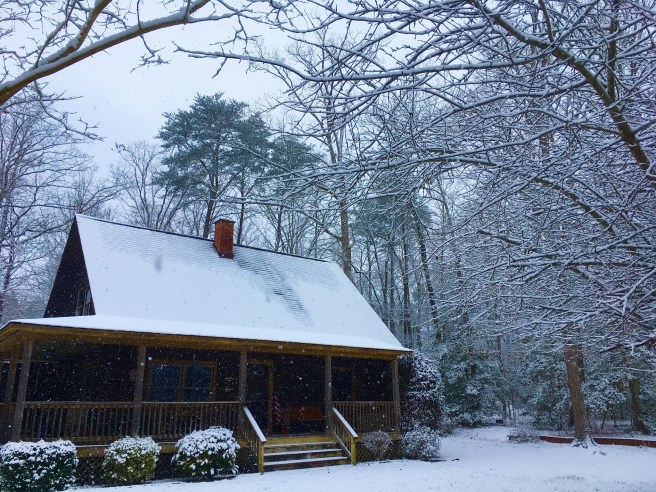
I found an old silver key while cleaning my closet floor. For years it might have been there shoved in the corner under the lip of a log, fallen perhaps from pants pockets or my winter coat. I don’t recall losing a key or changing a doorknob. Perhaps it opens some old lock on the old all-glass door on the side porch. At the start back then strangers would meander down the winding driveway through the woods to the house and cup their hands against the reflections on the door windows to look around. I replaced that door with a solid one and put a no-trespassing sign up front.
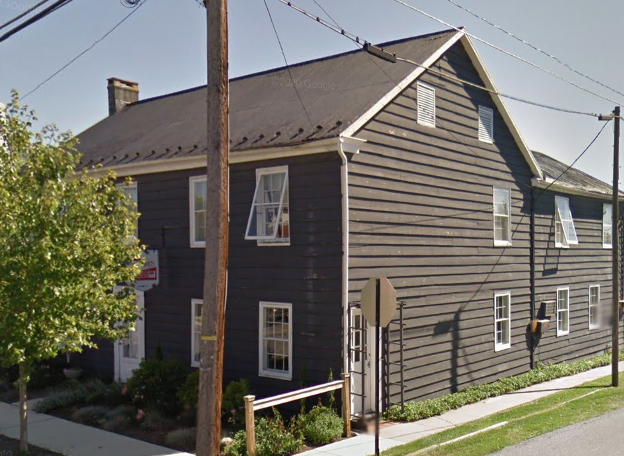
Older, I think; the place in Wellsville, Pennsylvania, where I came home one July morning to find plants and flowers in the entrance and at the top of the stairs for my birthday. It was the first place I lived where I gave someone else a key. Or it might be from my first house in New England, where the door stuck in winter when the frame froze. I’d spend hours shoveling my steps and those of the old woman across the street who delivered mail. She’d bring apple pie for my efforts or leave one for me with Sam at the Deacon’s Bench antique store.
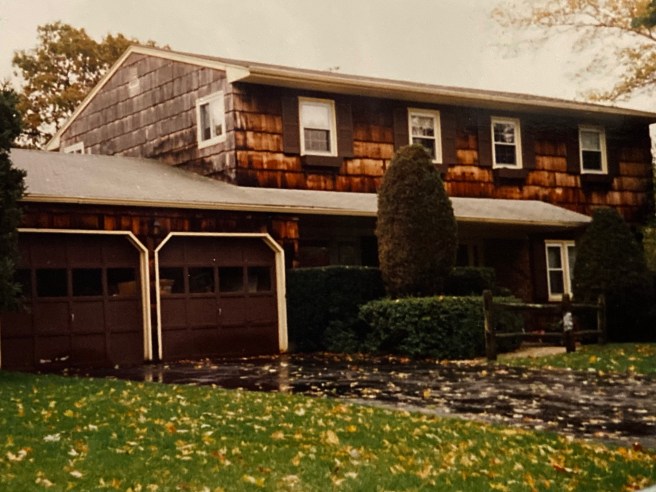
But that key was gold. Now I think this one some souvenir from my childhood home on Church Road, the two-story colonial where I owned my own first house key though I never needed it since after playing ball or riding bikes all day along the Great South Bay, I’d run in the back door full stride and laugh the way childhood makes you laugh for no reason at all.
I can’t recall now what this silver key might be for, though I’ll keep it, resist the urge to throw it away as evidence shows I clearly resisted before. After all, it still opens doors to places I never thought I’d return.
I’m home and the leaves changed and mostly fell while I was away the past week. I love traveling in the autumn, especially in the north, this time western Maryland, Ohio, West Virginia, and the mountains of Virginia. Such colors I’ve rarely seen anywhere else, like a painter’s palette, like a quilt. Like fall.
“I lived in a yellow house, like butter,” Van Gogh wrote of his place in Arles where he did his boldest work, filled with colors and tube paints pushed onto the canvas like toothpaste. When we speak today of his work, it is from Arles we mostly mean.
I, too, lived in a yellow house, like butter, along a country road running past a reservoir in central Massachusetts. Next door was a tall, white church with a cemetery, and the road wound up through the small village, past the Deacon’s Bench Antique Store, past the nursing home, up into Sterling and past the cider mill. It ran up the mountain, winding into the village of Princeton on Mt. Wachusett, where in autumn I’d hike to the summit and look across the New England tapestry of orange and rust, stretching clear to Boston, to New Hampshire, and west toward the Quabbin Reservoir. The crisp air, like yesterday in West Virginia, cleared my head, pushing away fears and anxiety. “It’ll be fine,” it whispered. Well, it won’t, I thought, but for now it is, and sometimes that’s enough.
I wonder if I’m starting to enjoy autumn more now than summer because I’m getting older.
The trail behind the house is covered beautifully in leaves that no step, yet, has trodden black, though signs of deer are evident. They bed down in a holly grove at the far end of the property and walk down toward the patio where the deep, heavy birdbath is apparently now theirs. The front path remains mostly clear as it runs in such a way and is wide enough for a soft northern breeze to keep the leaves to the side. But not always, and certainly not after a good, steady October rain like last week before I left. There’s something so immediate about autumn.
It is the time of year my father died. I read somewhere that other than the holidays, autumn is the most common time of year for elderly deaths. Younger people die more in Summer, which makes sense for the numbers out doing things they probably shouldn’t be, and January through March has the highest rates of suicide.
It’s odd how so many people come to life in autumn when nature is slipping away for a while, ducking behind the guise of death, returning half a year later, slowly. For now, it is beautiful, and the colors reflect in the duck pond and out on the river. They shine back at the hills I walked around a few days ago, and they remind me that for now, just for now, we’re all noticing the same beauty. It’s incredible that people throughout the autumn world all marvel and gaze at the ripple of color coming down the tree line, the scatterings of hues under oaks and maples and birches, and how the white trunks stand forth as the control group so we can see just how fine a job nature did.
I used to get depressed in autumn, feeling the summer slip away, the time of life and the sun on my back. It always, absolutely always, brought me to life, so I pushed the fall off as much as I could, perhaps anticipating what happens after the fall, in the dead of winter when hope is often difficult to unearth. But now I find in autumn something reassuring. Maybe it is simply that even growing old and letting go can be done with absolute beauty and grace.
At the end of The Lion in Winter, Geoffrey wonders what difference it makes how a man falls, and Richard remarks, “When the fall is all that’s left, it matters a great deal.”
Nature knows how to make an exit. She knows how to hold her own. I suppose her last green is gold as well as her first. I am surprised I have been so resistant to change. Maybe I’m getting tired.
Or maybe I just miss my yellow house near the Old Stone Church on the road to Wachusett.
“The Old Stone Church” where I walked nearly every day for three years. My Yellow House is just off to the left of the picture. No, I didn’t take this shot.



 a view from this wilderness