Somewhere Down the Road

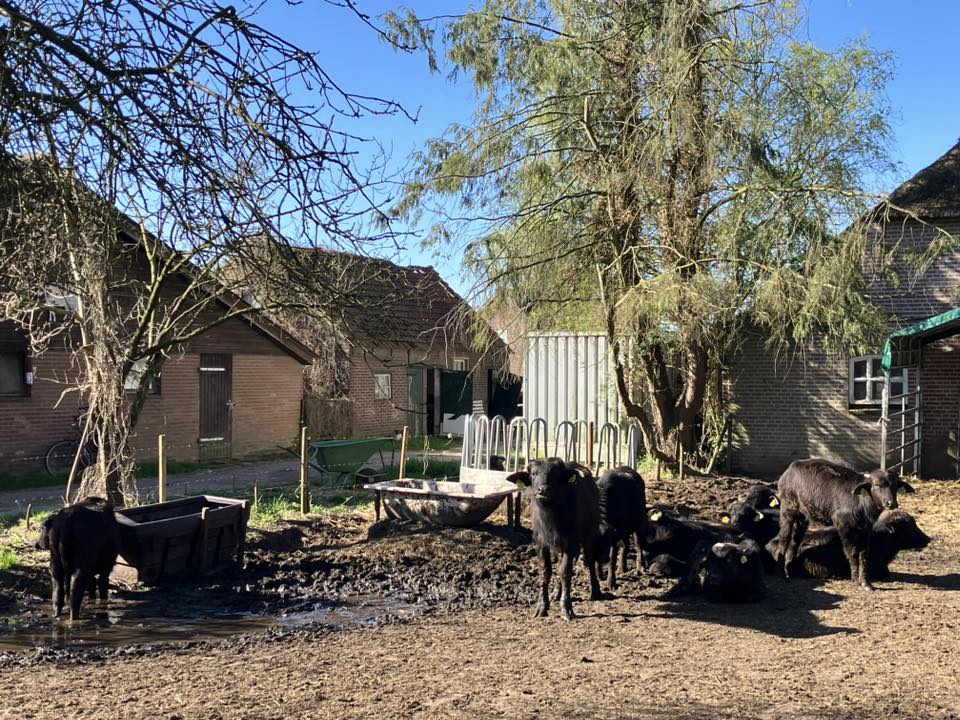
Asian water buffalo of course

Since I’m a child I have wanted to travel the world–I think it was Pippy Longstocking who first turned me on to the idea of exploration and adventure. Certainly Robin Lee Graham and Woody Guthrie and Mark Twain. And I have done just that; more than I imagined. Ironically, for almost thirty years I’ve lived in one house which I built here in the country. My previous homes lasted, from birth, four months, eight years, six years, four years, four years, eight months, three years, three years, three years, two years, two years, and now, well Aerie since my mid-thirties. 

If I had to choose between being always on the go for the rest of my days, or always at home for the same life, I’d choose home. I’d learn to garden and each year expand the crops with more tomatoes and cucumbers, and I’d have a fig farm on the land, perhaps more apple trees, and I’d share the results with neighbors. I’d know the names of the birds, and their migratory dates, and over time I’d have the hummingbird feeder ready for their return every spring. I’d add flowers to the land each year so that the back trail was lined with impatiens and the front with marigolds, and the north side toward the river would have a new trail with hanging baskets of herbs. I’d build by hand and bricks and stone a small guest house, with carvings in the doorframe and a wood-burning stove in the corner on clay tiles I made myself in the kiln I would build in the field. I’d have a dog, some cats of course, and a goat or two. Watermen and farmers would swing by sometimes to chat out front in the gazebo. And I’d walk to the post office to mail my manuscripts; I’d no longer be in a hurry. 

Just as easily I might simply leave, keep going

I’d do the Camino again, perhaps for years, and everyone would come to know the “old American” who is always out there heading toward Santiago. I’d relish the knowledge that no matter what else happens in my life, I have as a foundation to keep going the Way, the pilgrimage trail from France to the west of Spain. I would take Paulo Coelho’s advice and unbecome all the things that I’ve accumulated over the years which were not me at all, until finally I become who I was supposed to be to begin with. 

If I needed a break I’d head up to Connemara in August each year to walk the Sky Road near Clifden. Or I’d head to Prague in May for the music festivals in Old Town and stop and see my friends at the university. I’d have strudel and tell newbies about the time I used to write in the corner of Nerudova 19 when it was a tea room, and I’d write and have a pot of tea and strudel, and I’ll say it is too bad they weren’t around then since now it is an ice cream shop and it isn’t the same. 

Parts of me are already scattered all over the world. Pieces of my twenties are in Mexico and Africa, and large portions of my thirties are in Russia. Some of my forties made it there along with Prague and Amsterdam, and slices of my fifties are sprinkled like diction across this country from St Augustine to Seattle. If I had been able to simply keep moving, I’d have distributed what’s left of me in Spain and Ireland, with a small sampling saved for a state park on Long Island’s Great South Bay where most of the elements in my being come from to begin with. 

Still, I like the idea of spending my life in a small town where I’ve always known everyone, and I leave the doors unlocked, and I have a running tab at a local shack of a pub. Equally I like the notion of having friends all over the world, writers in cities throughout Europe to call up and spend time with on my way through again. I like knowing other cities in other countries as well as I know the trails here at Aerie. 

I wrote a book once about a guy who traveled the world until he settled in a small town and meets a woman who knows everyone and is from there, and they fall in love and the idea of staying grows on him, but she, by meeting him, understands she isn’t stuck in a small town after all and there is a world out there to see and experience, so she leaves. He decides the small town life isn’t the same without someone to share it with, so he leaves too, ironically also traveling the world, always wondering where she went, looking for her in crowds and metro stations, but he never finds her. It was a great idea and a decent manuscript, called An Innocent Season, but I could never figure out how it should end. That and I suck at writing fiction.

Life has a way, doesn’t it?

Last week I pet a water buffalo. This was near Neunen in the Netherlands. He was quite cute, still relatively small, and I scratched his neck and rubbed his face between his eyes, and he kept nudging me to continue, licking my shoes and pushing my hand. Luckily he was an Asian water buffalo who are kind, unlike the mean African ones. We stood at the fence and I pet him and we had just bought water buffalo yogurt and cheese but passed on the water buffalo ice cream. This little guy was loving on my shoes and my hand but I had stepped back and he came closer and his nose hit the electric fence, and we could hear the “zap!” and a small spark shot out and that little guy backtracked to his mother near a muddy area across the pen. He just stared at me with scared eyes as if to say, “Why?!” It wasn’t anger; no sense of “you bastard” in his face. Just a questioning “why did you hurt me like that?” and it made me a bit sad. I ate the yogurt anyway, though, with raspberry jam and some nuts. 

But we do that, we get close and then our perception is thrown off. Something zaps us and we associate that pain with those close to us when they might have had nothing to do with it; it was more than likely just circumstance, timing, the time of day. I wonder now how long will the little guy remember the pain. Will it make him leery to get close to the next guy with Hokas on and a hand stretched out? Or will he just keep getting hurt because the pleasure is worth all the pain? 

I would. In fact, I have more than a few times. Emily Saliers wrote we must “take part in the pain of this passion play” if we must love. The worst pain of course is departure, leaving again, and one comes to realize that eventually you’re best off either to just keep going, following whatever Camino you find yourself on, or agree to stick around awhile and simply accept that the pain is part of it all. 

So we ate the yogurt and gave away the cheese and went back to Amsterdam and flew home. Three days later my beautiful mother passed away. I’ve been thinking about my youth, and mostly I remember laughing. My childhood included every emotion possible, but what comes to mind first and strongest is the laughter. I remember going to the supermarket as a kid and pushing the cart and getting a treat. I remember her making food for my class in elementary school and not minding when my friend Eddie and I dragged in mud from the state park. I remember her making lemon meringue pie because I liked it, and I recall perfectly her listening to me attempt to play the guitar for the first time as I butchered John Denver’s “Sunshine on my Shoulders.” I am sure I was zapped more than a few times back then by her voice when I inevitably did something wrong, but I can’t pull those memories up right now; only the good things. Like all the laughter and the music; these two things I inherited from my Irish-Italian mother–laughter and music. 

That and to keep going. Perhaps the finest lesson of all; just keep going.
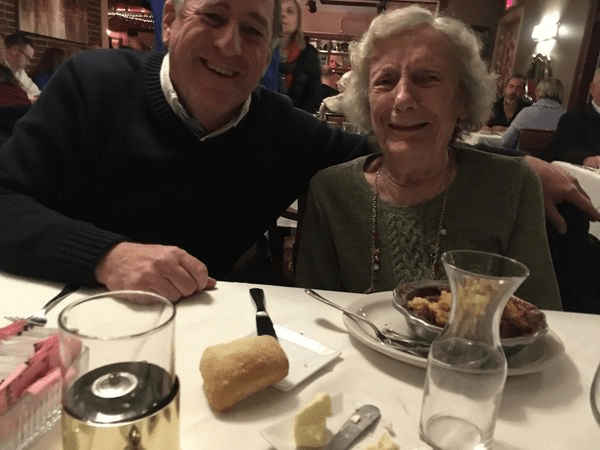
The Laughter Never Stopped

neither did I

Acceptance: Part Five of Five

This is Part Five of a Five Part Series here at A View.

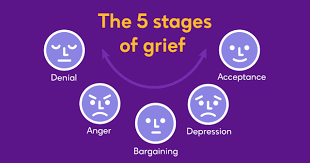
The five stages of grief as outlined in Elizabeth Kubler-Ross’ On Death and Dying are Denial, Anger, Bargaining, Depression, and Acceptance.

To wit:

  • Denial: A natural reaction to loss, denial can help people slow down the grieving process and avoid feeling overwhelmed. It can also be a way to try to understand what’s happening.
  • Anger: A common reaction to the frustration of no longer being able to live in denial, anger can feel like an emotional outlet as people adjust to a new reality. It can also provide temporary structure and a connection to the person who died.
  • Bargaining: People may try to change the circumstances that are causing their grief, such as hoping that things will improve if they take certain actions.
  • Depression: A stage of grief
  • Acceptance: A stage of grief where people find control and figure out how to proceed 

PART FIVE:

Acceptance:

The truth is I accepted some deaths nearly immediately. Letty is the best example. We saw it coming eighteen months out and we talked about it often, particularly her take on the post-life expectations. She told me to look for the birds feeding on the porch and she’d be among them. She told me she’s just going to close the door behind her. So by the time July rolled around and she slipped away, acceptance of that new reality was already on the table.

Dave was more difficult having not told a soul about his impending death due to cancer. Richard was a shock but his self-isolation from society for several years prior to falling and dying made his death closer to acceptance than any sort of anger or denial.

They’re all different, and Ms. Ross is clear that the stages weave in and out of our consciousness, rising then receding, and just when acceptance seems at hand, depression might pop back on the scene.

The thing is acceptance is about knowing someone you love is gone and finally learning to accept that your new reality is one without them and learning to live that way. The less involved someone has been in your life, the easier acceptance becomes. Dave and Letty and Fr Dan and Dad maintained an absolute presence in my life, so accepting their absence, particularly since with the exception of my father, the rest all checked out at nearly the same time, has been more difficult. Accepting is a sense of no longer being lost when a particular time of the day might have been occupied by conversation or even texting, a long walk to the Farmer’s Market or a slow walk around the mall. The instinct might remain to wish you could do that again, or at the very least to slip into a funk because you can’t do that again. But acceptance is being able to remember those times, smile, appreciate how lucky you were to have at least had them, and continue.

Caution: Just when that happens, depression might snap back. Just saying. These stages are circular.

In any case, when my father died nine years ago, acceptance was easy because of the conditions of those last few years, but to this day I have trouble sometimes understanding that loss of security, even at my age. There’s something about the loss of your father that says, “You’re on your own, Pal,” even if I was an AARP member when it happened.

What I have found interesting is the larger picture here that I’m trying to frame for myself. Accepting the deaths of the primary people in my life from all stages of my life—Eddie from childhood, Dave and Bobbie and Debbie from high school, Joe and Cole and Dave from college, Richard from a time I was learning to live on my own, and through those years and the rest of my years until recently, Dad, Letty, and Fr. Dan, has caused an unexpected twist: the acceptance of my own death. While it has not become something I welcome, it has become something I don’t worry about, as if everyone else on my team went on ahead and is waiting, but that’s not right either.

Maybe it is just that I accept that the world keeps turning without them, and so must I, maybe even by living more, experiencing more, particularly for those who left too soon. Acceptance for me—and this isn’t for everyone—means that death is more a motivator, like a new teammate; we’re working together here, this unusual macabre mentor whispering in my ear through the absence of my friends and family, “Keep going,” or as Virgil noted, Death “twitches my ear and says, ‘Live. I am coming,’”

Acceptance comes quickly when you hope for someone to no longer suffer, but it soon evaporates and is replaced by those other stages, like soccer players on a pitch replacing each other, taking a break so that the entire Grief Team remains strong. Eventually acceptance will return and dominate until it is our turn to put others through those same stages with our own departure, closing that door behind us.

For me there has been one exception, and those who knew Fr. Dan, and more specifically had a relationship with him like I did, as many have had, my “acceptance” of Fr. Dan’s death was nearly immediate. Of course the suddenness of his death, particularly only a day after we talked and hours before we planned to talk again, allowed Denial to dominate, but with Dan it is different. It has to do with his spiritual presence in all he did, his nearly reincarnation of the life of St. Francis and how Dan discussed saints and holiness as if they were brothers and sisters and he was already in and out of the otherworld, and more often than not it felt like he was heavenly from the start and took some time to visit us on occasion. This is difficult to explain, but he was not of this world anyway, so his departure from it seemed right. Letty wanted to stay, as did Dave and all the others. But Fr. always struck me as someone who couldn’t wait to die despite his absolute love of life and nature and all that exists, not in any depressive, suicidal way, but as if he knew something we didn’t, and we’d just have to see for ourselves.

People over the last six months have not missed the chance to remind me “you don’t get over one’s death or grief, but you learn to live with it, live differently.” Yeah, I know, and I do appreciate the sentiment and concern, but while acceptance is the ultimate goal, denial remains my favorite.

The Yankees lost the World Series

(how’s that for a non-sequitur—hang in there)

and while I’m not a fan having pulled for the Mets during the playoffs, once the Mets were out of it, as a native New Yorker I had to pull for the Boys from the Bronx. I know many Yankee fans, including close friends and a handful of misguided cousins, and I could observe the five stages of grief play out over the course of the last twenty-four hours. Denial, of course, that they could make it that far and lose so swiftly, despite the game they kept for themselves. Anger, of course; I mean they left the bases loaded with one out! Come on! That lead to bargaining of what could have been done differently, followed by the harsh reality you could see on the players faces after the Dodgers won, and, of course like all players of all games, eventual acceptance that this one got away but wait until next year. Having been a Bills fan for decades I’m well used to the routine.

So Liz’s efforts to label the stages of grief allow us to stretch beyond just death and find them applicable to many situations. But at the end of it all is death, which for the rest of us is the beginning of life without someone we loved and still love.

When I go for a walk I think of these people, and sometimes simply by having a wandering mind I end up in some pseudo conversation with them, talking to Letty about the floods in Spain, talking to Dad about his putting, talking to Fr. Dan about how hard it is sometimes to keep going.

And in my head he tilts his head back and smiles that wide smile, lets out a small laugh, and says, “I know Bobby, I know. It’s exciting, isn’t it? To not always know what happens next?”

In these days now when this happens, he walks away just then and I watch him move into my neighbor’s cornfield like James Earl Jones, and I turn to see Letty staring at me, saying, “He’s right Bawb. You need to keep going. Just ask him,” and she points behind me where I see Richard bouncing from foot to foot, saying, “She’s right Bob! Move your tooshie!”

and that thought makes me laugh out loud, until depression settles back in, and just as EKR warns, it gets heavier and heavier, and heavier, until I put it down and spin back into denial, wondering what everyone is up to that day, out doing their own thing in the world.

But I know better.

You’re the color of the sky
Reflected in each store-front window pane
You’re the whispering and the sighing of my tires in the rain

You’re the hidden cost and the thing that’s lost
In everything I do
Yeah and I’ll never stop looking for you
In the sunlight and the shadows

And the faces on the avenue
That’s the way love is

–Jackson Browne

Acceptance: Fr. Dan Riley, OFM

Depression: Part Four of Five

This is Part Four of a Five Part Series here at A View.

Elizabeth Kubler-Ross’ On Death and Dying defines the five stages of grief as Denial, Anger, Bargaining, Depression, and Acceptance.

Essentially:

  • Denial: A natural reaction to loss, denial can help people slow down the grieving process and avoid feeling overwhelmed. It can also be a way to try to understand what’s happening.
  • Anger: A common reaction to the frustration of no longer being able to live in denial, anger can feel like an emotional outlet as people adjust to a new reality. It can also provide temporary structure and a connection to the person who died.
  • Bargaining: People may try to change the circumstances that are causing their grief, such as hoping that things will improve if they take certain actions.
  • Depression: A stage of grief
  • Acceptance: A stage of grief where people find control and figure out how to proceed 

PART FOUR:

Depression:

Here’s One:

Dad once tried to buy a Snickers Bar from vending machine at a golf course. I hadn’t been nearby, but when I walked over he was getting angry. “Oh geez!” (Dad’s version of cursing). He said the machine was broken even though he kept trying to get it to work. He wanted number 110, the Snickers, and when he would push the “1” but before he would hit it again before moving to the “O,” it immediately gave me a pack of gum.  I pointed out there was actually a button that said, “110” and he only had to hit that button. He pushed it and the bar dropped, and I reached in for him to grab it and found four packs of gum. He wouldn’t mind me telling that story. Dad had a great sense of humor, though my tale would have been followed with a sarcastic laugh and a deep “Very funny” comment.

That story both makes me laugh and makes me sad.

When my father died, I wasn’t exactly depressed by his passing, not in the traditional meaning of the word; Dad had not been well for quite some time, and at ninety years old with dementia, his beautiful life as we knew it had ended long before his death. The depression I have about him is from him no longer being here, no longer around to talk to. I am depressed when I recall the grace of those days we spent walking at the mall, lunches around Virginia Beach, golf with my brother and son, sitting watching sports on television. Dad was a relatively quiet man, and he rarely spoke of his youth, but he celebrated ours and the childhoods of his children and grandchildren (and great grandchildren) every moment he could. It is his absence that hurts, the void, the knowing he no longer knows us, thinks of us, breathes.

Sometimes I think of him and can’t help but laugh at the endless great times we had; and I was fortunate enough to live near him right up until his death. Other times I think of him, something small, like his baritone “Yes Dear” when my mother asked him something, or the way he sat in his chair on holidays and watched everyone else talking, laughing, and he always looked so proud and happy, and when I remember those moments, it hurts, the goneness of him hurts. I don’t cry, which is odd to me since a passing line in Ted Lasso might make my eyes swell, but neither do I think clearly for a while.

Elizabeth Kubler-Ross points out something essential about grief—it is not linear. Depression and anger may weave their way around denial, and at any given time one might snap out of anger and cry for hours. When Letty died I was immediately—and even in those pre-death months—depressed. When Dave’s widow told me of his long illness and subsequent death, depression struck me like a baseball bat. The denial came a little while later and I liked it so I stayed there. But the depression makes its presence known at odd times. Predictably in the middle of the night when my mind can’t find anything positive to counteract it all, but also in random spurts, like driving past a mall dad used to walk at, and now they’re tearing it down. The mall didn’t depress me—the fact they’re tearing it down hurt.

But there is another facet to Stage Three which complicates the narrative. Depression has multiple layers.

Let’s start with this: I battle depression. It isn’t melancholy exactly, and it isn’t sadness either; it is a complete sense of malaise, or, in simpler terms, it is sometimes not giving a damn about a blessed thing. A doctor once told me this might be why I try to live so very consciously, taking risks and exploring. A person like me just might need a bit more stimulus to accept the reality of life. A chronically depressed person (which doesn’t mean we’re always depressed; it means depression may very likely come and go for the rest of our lives) may have no intention of killing themselves, but they’re not against the idea of evaporating either. It is complete indifference. It is this: In Woody Allen’s Radio Days, a young boy who won’t do his homework anymore is taken to a psychiatrist who asks him why he won’t do it. The boy responds, “The sun is going to burn out in four billion years.” “So?” the doctor responds. “So what’s the point?” the kid says.

See, I get that. Not that I don’t understand the point, of course. But when someone cycles through a low in the depressive state, everything seems irrelevant.

Yeah, that’s not what we’re talking about here. E K-Ross bends it like this:  Depression as Stage Four is a very specific “Situation” borne depression. The absence of someone’s laughter, not because they moved away or are ignoring you but because they no longer exist in this world, no longer contemplate the changing leaves, no longer taste or hear or feel, no longer imagine, no longer have any form at all, and when one acutely focuses on that reality, it can be overbearing. That thought, right there, that from now until the sun dries up, someone we love is simply not returning, that any chance you had to enjoy their company has passed, is depressing.

So too is a Jackson Browne song which cries out exactly what I was thinking about someone I loved. It’s everywhere, these depressive triggers. Some are obvious—like that damn Chevy commercial with the family visiting the grandparents at Christmas and a nearly comatose grandmother goes for a ride with her teenage granddaughter—”Sunshine on my Shoulders” on the radio—I can’t even watch that one anymore. OD—Obvious Depression. Some are subtle, like the sound of ice in a glass (Scotch on Tuesday nights with Dad) or peach pie (Dad loved Mom’s peach pie).

The death and subsequent goneness of them is not directly the trigger. If someone asks about my father and I say he passed away in 2015, it doesn’t directly depress me. But if they asked when was the last time I met my dad at the mall to go for a walk, I just might be incapacitated for the afternoon.

The sound of a golf ball leaving the tee, announcers calling a baseball game on a summer afternoon, the aroma of turkey in the kitchen while a football game is on in the other room, remembering, sometimes just remembering.

Stage Four is the weight on the chest. I remember a neighbor when I was young who not only lost a baby in infancy but lost her husband and her thirteen-year-old daughter to a car accident one rainy day. Sometime not long after that, her son found her in bed, dead, and it was said her heart just gave out.  Depression can literally kill, of course, but it can equally kill the spirit, disengage any humor, and dissolve all sense of hope. It leaves one questioning what they did wrong that they are alone now (Bargaining), leaves one pissed that they didn’t tell others how much they love them (Anger), renders them useless laying on the couch in the dark on a sunny afternoon until they can convince themselves it is simply a bad dream, and the deceased is actually at work (Denial). Depression is the umbrella that all other Stages must cower beneath.

When I get depressed, I remember something to laugh about.

Here’s another one:

When his dementia had progressed but when he was still quite functional (which he remained until his final trip to the hospital), he thought there were two Joans (my mother). An upstairs Joan and a downstairs Joan, though I’m pretty sure he thought there were simply two women, and one of them was his wife. One morning when he woke up, my mother—the upstairs one–asked if he wanted to go out to breakfast. He agreed. My mother went downstairs, and sometime later he came down and when she asked how he was doing, he said, “The lady upstairs wants to go out to breakfast, and I said yes, but I really don’t feel like it.”

That makes me laugh every time, as I know it would make him laugh, and the only depressive element to it is my brilliant father’s deteriorating mind. No, depression hits me worst when I recall our trip to Disneyland in California when I was fifteen—just the two of us—that’s a great memory that gets me down. It’s the time he brought me to college one fall and stood around talking to my friends and me like he just didn’t want to leave, like he thought he might not see me again, before leaving. It’s the time he brought me to the airport for a flight out of Norfolk and we shook hands and he left two hours before my flight, but when the plane taxied to the end of the runway near the observation area, I could see him outside his car waving to the plane, not knowing if I could see him or not, that tears me apart.

I don’t think I told him I loved him until he was very old. I wish I could have done so earlier…

Damn. Negotiating again. Always negotiating.

Sometimes when it gets bad and I’m coldly aware of how much I screwed up my life and could use his presence—he never gave advice, but he listened very well—I sit and wait for denial to snap back to attention and save me, and I can go about my business still a little depressed, but this time because I forgot to give him a call before he headed to Florida.

Depression never goes away, it just simmers, often without me even noticing, but also without me feeling completely relaxed. Ever. People tell me “You don’t recover from someone’s death, you just learn to live with it.”

Yeah, I know. And I appreciate the condolences and empathy. But what is not admitted is that while we live with it, yes, the truth is we do so a little slower each time, a little less of ourselves than we had been.

Depression: Dad

Bargaining: Part Three of Five

This is Part Three of a Five Part Series here at A View.

The five stages of grief based upon studies and writings, such as Elizabeth Kubler-Ross’ On Death and Dying, include Denial, Anger, Bargaining, Depression, and Acceptance.

Essentially:

  • Denial: A natural reaction to loss, denial can help people slow down the grieving process and avoid feeling overwhelmed. It can also be a way to try to understand what’s happening.
  • Anger: A common reaction to the frustration of no longer being able to live in denial, anger can feel like an emotional outlet as people adjust to a new reality. It can also provide temporary structure and a connection to the person who died.
  • Bargaining: People may try to change the circumstances that are causing their grief, such as hoping that things will improve if they take certain actions.
  • Depression: A stage of grief
  • Acceptance: A stage of grief where people find control and figure out how to proceed 

PART THREE:

Bargaining:

At the end of The End, an obscure Burt Reynolds movie with Sally Field and Dom Delouise, after spending the entire film trying to die due to his terminal illness, Reynolds finds himself drowning in the ocean and decides he wants to live after all, bargaining with God. “Please God, if you save me, I’ll donate all of what I have to the church!” he screams as he tries to swim to shore. The closer he gets, however, the smaller the percentage. “Really God, save me, and thirty percent of everything…twenty….yes, fifteen percent of everything!”

We’ve all done this. “I’d give anything if…”  That’s bargaining. We’d trade our right arm for one more day. Even Willie Nelson would trade all his tomorrows. “Let her live at least until July and I’ll never again…” fill in the blank.

Bargaining is as much a part of living as death. It serves a purpose; that a loved one’s death was not in vain, and how we live our lives can change as the result of that death.  

The following diction is all negotiation:

Honestly, I’d give anything to be back in Hechscher State Park on the Great South Bay walking through the trails with Eddie, climbing the now-gone ruins of the old beach cabana along the water. How I’d kill to be back in some small café with Dave at two am having eggs and toast and laughing. One night Dave grew depressed because “even musician George Benson had become violent” he exclaimed as Benson’s song “Give me the knife” blasted from the speakers above us. Dave was so serious and maudlin about it I couldn’t stop laughing. Finally, I explained he was singing, “Give me the night,” to which Dave burst out laughing at himself. Geez. Yeah, give me that night, one more time. Give me one more morning at the radio station, Dave ripping headlines off of the UPI machine to read on air, all the while talking to me about his family in Buffalo. One more time, God, Buddha, whoever. Just once more.

And need I suggest that if I had riches, I’d trade them right now to spend another day walking with Letty to the farmer’s market? One more—damnit—just one more evening watching a Mets game with my dad. I’d head down to the crossroads and negotiate my soul for that one.

But bargaining is more than some ridiculous quid pro quo we try and slip in without anyone noticing, as if it can bring someone back to life, or sometimes bring ourselves back to life. It is how we keep our lives moving forward after someone dies. “From now on I’ll be kinder to people,” we say. “From here on out I’m going to let people know I love them,” we promise ourselves. But do we? So many negotiations are empty.

I don’t think I consciously slipped into the role of negotiator. But I know—I mean I happen to know for a fact—that the morning a high school friend of mine took his own life, he tried calling me in my office, but I didn’t bother answering as I was tired. Give me that moment back, of course. But why? Would that stop his determined mind? Who do I think I am that I entertain the idea that picking up that phone would have kept him out of the garage? But that’s not the point of Stage Three. We say and think those things as a method of imposing control over something we have no control over. It helps us say, quite astutely actually, I can’t save my friend’s life, but I can save mine.

We do that because it allows us to believe in things we would never accept under normal circumstances. If Eddie had left work even twelve seconds later, we would have had lunch that Christmas and reminisced about all those years hiking the trails of Heckscher. And I won’t say it, but until I am seventy I’ll think how I would have done anything to know Dave was dying so I could have taken my guitar to Tampa and sat at his bedside, and we would have sung that damn song about being seventy, just seven years early. It would have been a dream fulfilled that I could have carried with me for both of us. What would I have to do to make that happen? I would do it.

That’s Stage Three. It somehow reminds my subconscious that even though Eddie is gone and Dave is gone, our plans are still here, and their deaths do not necessarily mean my death. Stage three is the bridge from loss to that adjustment we must make to move on without those we love.

The day before Fr. Dan unexpectedly died, my mother had been in the hospital, and it didn’t look good for her. I texted him her condition, and he texted back. A few minutes later he called. He told me he had an appointment the next day but to call that following night and we could talk when he had more time.

When I retrieved my phone after work that next night to do just that, messages came through informing me of Fr. Dan’s death. That brings us to the “if only” part of life, that is bargaining with ourselves. Never again will I put off my friends, never again will I not help a friend who needs my help, never again.

But we do, don’t we? We put them off and we stop helping or even stop calling. As a society we promise we will do better after every damn school shooting, after every war, every natural disaster, we will do better to protect our children and our allies and our neighbors. It makes us feel better about ourselves and what we can do while we are still alive, and it helps us negotiate their deaths as something other than pointless.

I should point out that grief and grieving does not have to be about death, but when it is, it is called bereavement.

Well I’m focusing on bereavement grief, because I’m holding to the notion that if the ones who cause your grief are still alive you are still able to love, to forgive, to move on or even sometimes go back. So, sure we can call that grief the same way my mother used to take a deep sigh and say, “Why do you kids give me so much grief?!” But grief from death is directly related to the finality of the incident. She’s gone. He’s gone. They’re all just gone, dust, ashes floating in the Med, a corpse in some Florida graveyard.

Kris Kristoferson wrote, “I’d trade all my tomorrows for one single yesterday, holding Bobbie’s body next to mine.” Yeah, negotiation, Monday morning quarterbacking.

Regret.

The thing is, there might be no better time for regret than those days surrounding the death of a loved one. Yet people say, falsely I believe, “I have no regrets.” Well, hell, I do. Tons. They keep me sharp, make me evaluate my actions so I can avoid those same mistakes, they remind me to call people who are still alive knowing I regret not calling those who are gone, I’m talking forever gone, stardust, ashes in some Russian picture frame, ashes in some Southern Tier Franciscan Friar cemetery. Gone.

Yes, I cherish my regrets as emotional sticky notes reminding me to keep in touch, sometimes even to wear my heart on my sleeve.

E Ross suggests most of the bargaining taking place is with death itself, negotiating a longer stay in exchange for some vague and inconclusive adjustment to one’s lifestyle. “Just let me live long enough to see my kids be able to take care of themselves” is a good one for several reasons. It is fair to want that, but it leaves off the trade. It is a bargaining with ourselves to explore what is important in life. I don’t care if I die before the next James Bond film comes out, but let me live long enough at least for “this” to occur.

But I need to let Ms. Kubler-Ross speak for herself on this one:

Before a loss, it seems like you will do anything if only your loved one would be spared. “Please God,” you bargain, “I will never be angry at my wife again if you’ll just let her live.” After a loss, bargaining may take the form of a temporary truce. “What if I devote the rest of my life to helping others. Then can I wake up and realize this has all been a bad dream?” We become lost in a maze of “If only…” or “What if…” statements. We want life returned to what it was; we want our loved one restored. We want to go back in time: find the tumor sooner, recognize the illness more quickly, stop the accident from happening…if only, if only, if only. Guilt is often bargaining’s companion. The “if onlys” cause us to find fault in ourselves and what we “think” we could have done differently. We may even bargain with the pain. We will do anything not to feel the pain of this loss. We remain in the past, trying to negotiate our way out of the hurt. People often think of the stages as lasting weeks or months. They forget that the stages are responses to feelings that can last for minutes or hours as we flip in and out of one and then another. We do not enter and leave each individual stage in a linear fashion. We may feel one, then another and back again to the first one.

Right. For example, stirring those memories to write about Stage Three brought me right back to Stage One, denial. I like it there and it seems to have taken to me as well. I’m too rational to not know I can negotiate for decades and never bargain Letty back to life, never compromise Dave back to his wife or Fr. Dan back to be able to call that following night to ask about my mom. It’s not going to happen. I know this, and yet somehow bargaining helps us pretend, like kids playing in the yard, that we can make things alright if we “just do this one thing.”

If only it were that easy, Liz. If only.

One last thought about Eddie A. Radtke, musician, friend. We were rarely apart throughout our youth on Long Island. Then I moved to Virginia—pre cellphone pre computer, pre anything. But we wrote letters, and he would send the want-ads from the NY Times and Newsday for me to give my father along with real estate listing from Great River. Our youthful brains insisted we could make this work. It didn’t, obviously, and we both indicated how we would do anything to erase my move south. Eventually we lost touch. Then after more than forty years, social media brought us back together. It turns out we had everything in common; in particular, music. We spoke on the phone often for a year or more, and then finally we made plans to meet right after the holidays, but one December evening he was struck and killed by a car when he was walking out of work.

I’d give anything to have had the dinner a month earlier, to sit one more time and sing “Cats in the Cradle” together like we did in our youth, laughing at how we used to call each other in early mornings and sing as loud as we could, “There’s got to be a morning after!” from The Poseidon Adventure, and we’d laugh our way down the street to one or the other’s house. Give me that once more.

Seems all I’ve been doing lately is negotiating.

“It’s not too late, not while we’re living. Let’s put our hands out in time”

Bargaining: Eddie

Anger: Part Two of Five

This is Part Two of a Five Part Series here at A View.

Psychologists, including Elizabeth Kubler-Ross in her definitive work On Death and Dying, teach us there are five stages of grief: Denial, Anger, Bargaining, Depression, and Acceptance.

First, here’s an AI sourced summary:

  • Denial: A natural reaction to loss, denial can help people slow down the grieving process and avoid feeling overwhelmed. It can also be a way to try to understand what’s happening.
  • Anger: A common reaction to the frustration of no longer being able to live in denial, anger can feel like an emotional outlet as people adjust to a new reality. It can also provide temporary structure and a connection to the person who died.
  • Bargaining: People may try to change the circumstances that are causing their grief, such as hoping that things will improve if they take certain actions.
  • Depression: A stage of grief
  • Acceptance: A stage of grief where people find control and figure out how to proceed 

PART TWO:

Anger:

(a bit more serious this time)

This is a tricky one since there are several levels involved. On the one hand we might lash out at others in some mind-bending way to “control” something, anything, as an emotional response to a death we had no control over which left us feeling helpless and abandoned. We might get angry at our children for the simplest of things to evade the reality of our own parents’ passing. Or we might be angry at the departed for departing, particularly when their exit is far too soon, burdening us with some sense of guilt for still being here, for slowly forgetting, for moving on. It’s a bit more rational to be angry when the death was self-inflicted. I’ve known several people who ignored that canon fixed against self-slaughter and ended their sea of troubles. Most notably a high school buddy who, after several attempts, succeeded when we were in our thirties. But I’ve learned much about mental health since then and it is hard to be angry at someone whose actions were quite decisively beyond their mental capabilities to control, despite what we wish.

In fact, anger either at the departed or at others because of the departed seems irrational at best. But it happens. For instance, my college friend Dave pissed me off. In the case of his death I blew right though denial and landed quite solidly in the deep end of anger. I’m not sure this is the type of emotion Betsy K-Ross was talking about, but give this a thought:

Some background. I knew Dave since the fall of 1979 and have written about him before on these pages. We ran a radio show together, worked at the campus newspaper together and the college radio station together, just him and me at 5 am for four years, Dave on news me spinning music, and we bonded during those pre-dawn hours in the chill of western New York. I stayed at his house in Buffalo on many occasions and became the “fourth son” of the family. We went on retreats together and relied upon each other for comic relief during pressing times throughout the next forty-five years.

Dave was talented but when he was faced with self-doubt, especially when he battled depression, he would call, and we’d talk until two or three in the morning. I once walked out of a reading in Virginia just after ten pm and he had called six or seven times. I returned the call and sat in the parking lot until dawn talking about all the reasons we keep breathing. He had no way of knowing I faced my own demons, and that he kept me going as well. I told him, but often Dave was not listening. That’s hard to explain. But we finished that conversation that morning laughing, laughing hard and even singing, “Old Friends.” And we talked about traveling to Australia together and writing a book. We both knew that would never happen; but talking about it pushed the other stuff out of view, and that’s why we stayed on the phone so long. We had to wait until our verbal tide came in and washed the rest away.

In the years since the introduction of the cell phone, we texted each other no less than three times a week. Sometimes it would be just some song lyrics that made us think of each other, sometimes a photo of the day. To be honest, I didn’t always answer when he called because he tended to ramble right past my “I have to go now, Dave” interjections, so I preferred the texts.

In late April, I texted him a simple hello and asked how he was doing. A random thing without lyrics or puns. He responded that he was fine, just a little tired, and he looked forward to talking soon. In mid-May the phone beeped, and it was a text from Dave. I opened it to find an obituary about Dave sent by his widow. My hands were shaking. I immediately called and we talked for a long time. Dave had been diagnosed with kidney cancer the previous September, but by the time they found it the disease had already metastasized rendering him a death sentence. “He fought hard the whole way,” she told me. He didn’t want anyone to know but his immediate family.

Pardon me on this one but Fuck You Dave (yeah, that’s anger right there). Seriously? First, the rationale for such silence is he thought he could beat it and didn’t want anyone to know, or he didn’t want people pouring sympathy all over him which he would hate, or he wanted to just focus on family, his beautiful three adult children and their own kids. Yes, I really do get that.

But those who exit without allowing others the chance to say goodbye or tell them how much they meant or at the very least acknowledge that you might not be alive if it wasn’t for him, just seems a tad selfish. This all came parallel to a deeply open knowledge of Letty’s impending death with the chance to tell it all to each other. Of the two, openness wins hands down. Are you kidding me? It’s hard not to tell someone what you wanted to say when they just go away for a while, never mind forever. When I told Letty of Dave’s passing, just two months before hers, she was even more sure of her decision to expose her impending death to those she knew. No questions at all.

After I hung up with Dave’s widow I called Fr. Dan, who himself had but two more months to live and didn’t know it, and I told him the news. He was dumbfounded. He had spoken to Dave just two weeks earlier and all Dave told him was “I haven’t been feeling well; please keep me in your prayers.”

This forced me to wonder what I would do. Of course, my life has been an open book for quite some time, but it is more than that. Eddie got hit by a car, Fr Dan died in mid-sentence about his plans for the weekend, someone we love right now may not know what is next. Why aren’t we leaving it all on the table? Why do we keep our feelings, those deep, often embarrassing to admit out loud ones, inside? I can testify that of all the emotions I have about Letty’s passing, none of them is anger.

Dave on the other hand; I’m just pissed for him not giving me the chance—and he could have; I mean he knew what was about to happen—to tell him what I wanted to, and perhaps he had a few things he would have liked to say.

Well, lesson learned though. I just might dump pleasantries on you at any given chance just in case one of us exits the stage in the middle of the third act.

Still, Kubler-Ross addresses another anger in addition to the one focused at the bastards who died. This is the one where we feel helpless and lost, and someone once a part of our daily routine is now absent in all ways, and there’s no way to control that absence, so we channel that thorny emotion into one we can control which might relieve some of our anxiety at floundering without someone: Anger at ourselves.

Well, yeah. I’m angry at myself every time someone I love dies. Angry for not being there more often, angry at not having said what I so easily could have but simply didn’t bother to say. Angry at myself for getting angry at them in the past for the stupidest reasons. Angry at my aloofness and at my over-dependence, at my distance and my closeness and my silence and for saying too much.

Angry at myself for sitting quietly at the bay and watching the sun slip up above the distance and giving me another chance. EKR is clear about this one: the anger of guilt.

I’m aware of the psychoanalytical responses to this; please don’t load up the discussion page with comments about carrying on and blah blah blah. I know, really, I know. I get it. BTDT.

But understand: I welcome the anger at myself when someone dies. I think we all should get angry at ourselves when we didn’t tell someone how much they meant to us, how much we cared, how much we still do. It forces us to not make that mistake again. It impels us to be open with those we can, now, while time has allowed us to remain part of this ongoing brilliance of exquisite life.

Don’t keep your death to yourself while you are still alive.

Finally, Liz Ross writes that often anger is directed at some Deity for allowing the death to happen, particularly a premature death which for my part is the case for, well, all of them. This is the most ridiculous anger of all and I’m bored with hearing it. Listen, if your faith suggests death is all part of some greater plan, than your anger is contradictory and quite dumb as you’re now getting angry at a God who has enough control to decide death and when it happens to each of us. If you don’t believe that’s how it happens then move on, it’s no one’s fault.

I miss Dave. I miss his texts and more than a few times I have reached for the phone to write, “How terribly strange to be seventy,” in reference to our plans to sit on a park bench when we reach that age and sing Paul Simon’s song. But then I remember he fell shy by seven years. When I’m thinking clearly, I’m not angry at Dave; that’s foolishness. I’m not angry at some God or even myself. No, when I’m thinking clearly, anger is not part of any equation; only love, and the times we could have loved more.

Thanks Dave. Good on ya.

Anger: Dave

Denial: Part One of Five

This is Part One of a Five Part Series here at A View.

Psychologists teach us there are five stages of grief. Personally, I believe there are a few dozen, but I’m counting overeating, drinking, the gummy-chewing stage, the Marvel Universe binge-watching stage, and several others, but for the sake of brevity, let’s go with Elizabeth Kubler-Ross’ count-em-on-one-hand list of stages, from her book On Death and Dying (so right away we’re not in a good place).

The Fantastic Five: Denial, Anger, Bargaining, Depression, and Acceptance, or DABDA, as I just decided to use for sake of association.

First, here’s an AI generated overview before I slaughter them:

DABDA:

  • Denial: A natural reaction to loss, denial can help people slow down the grieving process and avoid feeling overwhelmed. It can also be a way to try to understand what’s happening.
  • Anger: A common reaction to the frustration of no longer being able to live in denial, anger can feel like an emotional outlet as people adjust to a new reality. It can also provide temporary structure and a connection to the person who died.
  • Bargaining: People may try to change the circumstances that are causing their grief, such as hoping that things will improve if they take certain actions.
  • Depression: A stage of grief
  • Acceptance: A stage of grief where people find control and figure out how to proceed 

PART ONE:

Denial:

I’m good at this—really in all aspects of life—but given the chance to forget that someone I love is dead, I’m all over it. This is most easily accomplished if you live a great distance from the deceased, or if you have had little contact over the years. Denial is convenient when you have a lot to do and thoughts of someone you love who recently passed or even not so recently slow you down. Kubler-Ross doesn’t disparage denial, but she does suggest it is best to move through it honestly. And I will, eventually. I understand it is simply self-preservation that I assume my father is at home watching golf (this one is hard to do since my mother no longer lives in the same place they did, so I am too aware of his goneness), Letty is visiting family in Italy, Eddie is playing blues in the city, Dave is misunderstanding lyrics at some coffee shop in Tampa, and Fr Dan, well, Fr Dan was already half in heaven to begin with. He’s not gone as much as he now plays the role of advocate. Richard made denial easy by his convenient disappearance from society and media several years ago. In my mind he’s home watching old Jane Fonda exercise videos.

It’s not easy to remain in this stage sometimes; there’s got to be a gummy that aides in denial.

But I see no reason we all can’t just assume those we love are off doing other things and they’ll be back in touch at some point. “It’s not healthy” Liz Kubler-Ross writes. Why? Why is it better to “accept” they are gone and won’t be coming back than it is to “accept” that they’re in Thailand playing Mahjong? It works for me, and I’m able to function properly without facing the reality that for the rest of forever, eternally foreverness, throughout the future of infinite time, I will never see these people again. They were here briefly; now they are gone.

“They’ve gone ahead,” people say.

“They’re in a better place,” people say.

“You’ll see each other again someday,” people say.

My mind holds onto that last one, yes, but not the way they mean it in some ethereal ghosty way. No. We’ll see each other again when they get back from Machu Pichu. I can’t wait to see their pictures.

Listen, I’m not dumb; I know they’re dead. Dave was in denial of death and told no one. Letty wasn’t crazy about it but moved toward it with class. Fr. Dan had no idea; neither did Eddie. Richard fell, so it’s doubtful he knew. Result: they’re not coming back, ever, and as Mr. Croce aptly pointed out: “Photographs and Memories, Christmas cards you sent to me. All that I have are these, to remember you.”

Yes, I know.

But grant that my considerably better mood and more focused work ethic come from an absence of acceptance of such significant losses.

I recently attended a writing seminar about grief, and the moderator—poet Anne Marie Wells from Northern Virginia—asked us to think about synonyms for grief for five minutes and write them down. To do so I had to briefly abandon my denial stage, but it seemed Kubler-Rossy, so I agreed. Anne Marie distributed a poem wherein the poet (not her) had synonyms for “grief” which were more personal than any formal understanding of the emotion.

I took the blank sheet of paper and wrote “SYNONYMS FOR GRIEF” at the top, slowly and neatly, OCDish, taking it slowly in an effort to eat up some of the allotted time. I started with the obvious: sorrow, misery, sadness, anguish, distress, agony, torment.

But I didn’t believe it. I couldn’t feel it in my stomach where true grief exists. I jotted down a few more: sadness, depression, helplessness. They felt empty. Dictionary words. Pointless.

I put down the pen and reread the poem. I looked at the clock and still had three minutes in the exercise. I stared across the library where the seminar was held, and I saw a guy at the computer with headphones on. He looked like my childhood friend, Eddie, who was killed by a car while walking out of work one night. I thought of Harry Chapin—a connection Eddie and I had.

I flipped the page over and tried again:

“Synonyms for Grief.”

Cats in the Cradle. Golf on television on a Sunday afternoon. Brussels in September.

La Vie En Rose (That one rips me apart. Grief incarnate).

Paul Simon songs. Seared tuna. Hard cider.

Wham’s “Wake me up before you Go Go.”

Black and white photographs. Change jingling in a pocket. Coors Light.

French accents.

Okay, so I wrote “French accents” fifteen minutes ago and went for a walk. My chest hurts.

Grief.

Grief sucks. It can be damn near suicidal. I get it Lizzy, I really do. It can also be cleansing; it can make us stronger, and yes, of course I grieve; I just did.

But denial is where it’s at. I’m running up to the post office and see if Letty sent a postcard. I might stop by the club to watch some golf, alone since my son’s traveling and Dad lives too far away. Then I’m going to finish the manuscript that was due last month about a friend of mine who is now living in a village in South America.

I just might be able to denial my way through the rest of my life. But that would piss Elizabeth off, and Anger is Stage Two. Some other time. For now, I prefer having nothing to be angry about.

Denial: Letty

Letty

“What do you think happens, Bawb?” Letty asked at coffee one day last year.

“I don’t know, but I know I’ll miss you.” She started to cry.

“Guy said he thinks it’s like closing the door behind me. I like that. I’m just going to close the door behind me.”

“You going to be wearing heels?” We laughed. “Not this time! I think I’ll wear my running shoes and get in one last workout on the way.” Honestly, we made light of everything. “I’ll close the door behind me and keep on running.” We sat quietly a long time. Then we talked about the reality of it all. “I’m sorry I don’t have the strength to walk. The treatments are exhausting.” I said nothing. There was nothing to say. “Oh! Did you figure out our mileage?” For thirty years or more we walked a few times a week about four miles each time, talking, sharing, helping each other through the thirty years or more.

‘Yes I did. We walked six thousand miles. I figured the four miles each time, twice a week, but I only figured thirty weeks a year since we missed some and vacations. And i figured twenty-five years since at the beginning is was more sporadic, but later on it was more miles, so it evens out.’

‘Six thousand miles!”

I didn’t care so much about not walking anymore. The point was to talk and we were doing that anyway.

“What do you want after you shut the door?” I asked.

“You know exactly what I want,” she said. I did, but now that it’s real I had to ask again. “What about you?” she asked.

“I’d like to be cremated and then rolled into joints and have a bunch of writers smoke me while reading all my work that was rejected.”

“You know if I outlived you I would have made that happen.” That made us quiet again. “Let’s go outside and take a picture.

It’s the last one of us.

***

I don’t even know where to start. I was waiting to teach one of my first classes ever at Tidewater Community College in Virginia Beach, and across the hall Letty sat in her office with the door open. We said hi, and after I left class that day we talked all afternoon.

That was 1989 and immediately followed by three plus decades of hour and a half walks three times a week talking about our kids, our hopes and disappointments, the other people in our lives, and endless deep conversations about what we (mostly she) had read that week in The Economist, The Atlantic, Le Monde, The Washington Post, and more. When she was pissed off she’d switch to French, then realize I was staring at her and she’d switch to Spanish. We helped each other through the most significant changes people can face.

Almost thirty-five years of coffee in the morning, afternoons at the Mexican place across from campus, cider at the local pub–way too often–and sharing. I gave her books I thought she’d like; she introduced me to French and Italian writers, we’d walk through the Chrysler Museum in Norfolk and talk about everything except art. We made fun of each other, like the time in the Hermitage Museum in Russia when I told her I’d meet her in the Impressionists so I could see some of Jean Francois Millet’s work. I didn’t pronounce it correctly though and she had no idea who I meant; “Apparently I’m not spitting enough,” I told her. She said, “But you had me all discumboobulated,” and I told her there is no such word in English. We spent our lives making fun of how each other talked, though she won hands down since she could carry on a conversation in a half-dozen languages. I made fun of her heels, she made fun of my flip flops. It was like that.

The week after my son was born she came to my office and sat and we talked for hours about life. We cancelled our classes and talked about kids and grandkids and posterity and ancestry. She told me how every summer when she was a little girl, her father would drive the family to the Mediterranean coast to a town there where they spent a month swimming in the Med. Her father would head back home to work during the week but return on weekends. It was her favorite place. She said maybe someday we could travel there. A few days after my father died, she called me up and asked if we could meet for coffee on the boardwalk. We did, and she talked about Camus, and about Saint-Exupery–one of her absolute favorites. She remembered a day in the mall when we were shopping and ran into my father who was there to walk, and how she would remember forever how thrilled he seemed to see us. She said she missed her dad.

We were each other’s open books, somehow more than friends despite the misconception of that suggestion. She told me once that I knew her better than anyone except Elisabeth and Guy. That night she texted me, “I wasn’t just saying that; I mean it; no one else knows me like you do.” I wrote back, “Really? You mean that’s all you’ve got? I know all of it? How sad you must be.”

We made each other laugh. We were friends in what must be the original intent of the word.

Thirty years of laughing about work, about changes in personal lives. Thirty plus years of lunches and coffee breaks, of drives to the beach. Once, a memorable trip to Russia for eight days where she refused my pleas to lose the high-heel shoes on six mile walks up Nevsky Prospect. “I was born in these and I’ll die in these,” she said.

There’s more, but I am having trouble explaining myself here. It’s like I have no idea how to do this.

Over the last year and a half since the diagnosis, we finished each conversation with “Talk to you in a few days.” On our last conversation recently, she said, “Talk to you in a few days. I love you Bawb.” It was the first time she signed off that way and the last time we talked. But for several years after I left the college, she would go for a walk three or four days a week and use that time to call me. Then when she told me of her prognosis, we spoke every few days; sometimes for ten minutes, often for a few hours. She talked about how Billy was taking such good care of her, she always asked about my mother and how she is doing, we talked about what I was working on. On one call she asked me to read some of my new work to her; she said, “In case it comes out after.” After that last call last month, a few days passed and she didn’t call or answer my texts, then a week, then more, so I knew she had turned that corner.

We saw this coming from the start, though. In October of 2022, she texted me: “I just want to say you are the best friend I ever had and I’ll never be able to tell you how much I care about you.”

An hour later I was out for a walk and thought about her message. She had never expressed herself like that. We specifically didn’t do that on purpose. So I texted back: “What’s wrong?” Part of me expected some laughing emoji and her words saying “Nothing! Just thinking about you!” but a bigger part of me expected a serious response. Unfortunately, I was right. She wrote: “I was rushed to the hospital from the gym; they thought it was a stroke. It wasn’t; they are taking out a brain tumor. I wanted you to hear it from me. I’ll call you when the alien is out of my head.”

The results were heartbreaking.

She called. She said, “I want to tell you something.” I was quiet. “Do you remember that time you walked by my French classroom and I wasn’t there yet, so you went in and said that Madam Stone would be along shortly. You then got to talking, and you taught them some Spanish and told them they were wasting their time taking French, unless they planned to hitchhike across Quebec, but they couldn’t go anywhere without being able to use Spanish. By the time I showed up and walked in, you were all talking in short Spanish sentences.”

I told her I remembered it well. She said she loved that day. She then recalled another time when she was late I brought her entire class across campus to the faculty parking lot and we stood where she normally parked and waited. When she pulled in she was laughing so hard she nearly drove over the curb.

This was how we passed time; three and a half decades of a friend like that is another level of fortunate. She used to say we were Jerry and Elaine, and the comparison completely fits. Not long after her diagnosis and some treatments, we had coffee at the beach and she said she has so many pictures of me but only a few of us and they were from Russia. So we took a picture. I love the shot. I’m just in front of her and she’s leaning against me from behind, looking short that day since she had on running shoes, not high heels. People say how nice the picture is and how affectionate she is in it, but she isn’t being affectionate; I’m holding her up.

But these are personal musings about someone I cared about who left us all too soon. There’s nothing in this writing that could possibly matter to anyone who doesn’t know the two of us, which is the vast majority of readers. I fear this remembrance can too easily be met with an “oh that’s so nice they had such a great relationship” response and not understand that there’s more than that here. It’s about being open, about dying without leaving anything unsaid. We all have lost someone or experienced something that can’t be communicated properly enough to capture the raw and festering emotion, and it frustrates us because we want people to truly get it, but we are shackled by language. The true essence of the love we have for someone we lose is very personal and something we must accept as ours alone and can’t be shared.

I’d give anything to hear her voice one more time, call me, saying, “Oh, hello Bawb” in her heavy accent, but that’s not going to happen. Ever, no matter how much time passes, it simply is part of my past now; memories remain, of course, but the reality of her voice, the way she always held my arm when she said goodbye, the way she smiled. The way after I told people I was leaving campus and my plan was to never return, and their response was one of “of course you will visit,” not knowing me, but Letty’s response was, “It’s about time, Bawb. Take me with you.”

Just over a month ago she told me she was not feeling well. “But I made it to 65!” she added. “Now I need to make it to your birthday! That is my goal!”

“Happy Birthday to me,” I laughed.

“That way you will not forget me!” She was quiet and I could hear her trying to talk normally. “You’re going to write about me, aren’t you?” She wasn’t hoping I would, but predicting I would.

“Yes.”

“Good. I trust you. Will you mention how much I love Billy? And how I wouldn’t have any life at all without Guy and Elisabeth? Oh, and how I’m so glad I lived long enough to see my Sophia, my granddaughter!? And mention the time we went over to Elisabeth’s office at Operation Smile and banged on the window to get her to come to lunch with us! And you have to mention that Jewish Mother reading and the books that night and how your student thought I was your wife, so I said, ‘yes I am’ and sold him five books and for weeks on campus rumors in my French classes kept going, all of them asking if you were going to come by the class again. I liked that.”

“Do you want to write it?”

“Oh sure, this way I can write myself back to life,” she joked, and we were both quiet. “Besides, there’s more to write about.”

“I know. but some things should remain just ours.”

“I’m very glad for that, you know. Etre en paix avec quelqu’un,” she said mostly to herself.

‘Letty, I’m from the United States. Speak Spanish.”

It’s about having a connection with someone. It’s not love, exactly; it’s a sense of peace.

A minute later: “Watch for the birds that come to feed at your porch mon amour et ami. I’ll be among them.”

That image saddened me. “Will you be chirping with an accent so I know which one is you?”

“Yes! I’ll be the Bawbwhite!” We laughed. We laughed, so I knew we should hang up. It was the last time we talked.

Letty reached her goal and died in the overnight hours of my birthday. Her ashes will be spread across the Mediterranean Sea.

with granddaughter Sophia
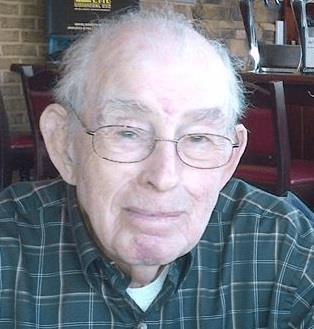
Laetitia Sciarrino Stone
March 18, 1959-July 4, 2024

I Never Needed Anybody’s Help in Any Way

I heard an interesting comment on NPR last week. When talking about someone who died by suicide, the victim’s brother said he didn’t think his sibling didn’t like life anymore as their mother had suggested, but just didn’t like one particular part of life, and somewhere over the course of time—maybe weeks, maybe months or longer—the poor man hyper focused on that one aspect until it became a monster, blocking his view of any other aspect of existence remotely salvageable; even the finest reasons to continue were saturated with the pain of one part, perhaps even a small part, of life.

On the one had it made their mother feel a bit stronger—that her late son did not despise life, and in particular perhaps not the life she and her husband had built for them, but one thing happened, who knows what, and that overtook him despite the beauty around him. He couldn’t see past that monster any longer, and in his then-compromised view, nothing else existed any longer. Life became about the pain-inflicting monster, so killing oneself seemed the only clear way to end the pain.

On the other hand, for those who still know someone with some form of depression, particularly situational depression and not chronic or manic depression, being able to unearth and understand that aspect of life which has the potential to take over a person’s mind can help isolate it and, over time maybe, destroy it. At the very least the knowledge of the issue might help others keep it in perspective, perhaps even eliminate it.

The surviving brother then, almost off-handedly, said, “I wish we had gone hiking more.” No one picked up on it; at least not on air. But I did. It slid right in my thought process and simmered all day. His brother must have been considering how things might be different if he had helped replace the monster with something more powerful, more soul-owning. For them, apparently, hiking. Had they gone enough times, or consistently enough anyway, for the deceased to have discovered that hiking was his life and he now could own that choice, his routine and whatever negative issues came up—a problem with a partner, finances, even simple malaise that chronically depressed people will never be able to explain—would be minimized by the power found in something positive.

It doesn’t have to be hiking. Could be music, sports, food. But something active, something visceral and kinetic.

I asked my students the other day how much time each day do they spend watching other people live their lives or pretend to live life. That is, how much time are they stagnant viewing other people’s happenings on tv, movies, TikTok, etc. I’m not talking about going to events like sports or lectures or the like. No, those are very participatory. I mean the dead-brained observation we do that when we’re done—or better stated, when we take a break–we are exhausted, and we never did a damn thing.

The suicide rate among college-aged students is about 2 percent, about 1100 per year, and about 25% know of someone who killed themselves, and just over that percentage thought about it themselves, all of them offering as their primary motivators pressure, helplessness, relationships, loneliness, and money.

It takes just one issue to debilitate a person, make them feel hopeless, and all the time in the world trying to balance it with positive acts cannot extract that monster from the mind, and eventually ration slides away so that suicide is not a conscious decision but in itself a rational act to eliminate the pain, which by that point is all there is.

And later people say they wish they knew, they say they would have helped. The man on the radio said, “He asked for help; we told him we had helped him all we could and he had to do this alone.” He was riddled with guilt, but then realized that the way he could have helped may not have been clear to either his brother or him at the time. One just assumes the help one asks for when in a bad place is the only way to help them out of that place, but that’s not always accurate; in fact, it is often hardly ever accurate. “I just should have been there more, called and asked how he was doing more, had lunch,” the brother added. Exactly.

Yes. He should have, but not because of his tragic loss, but because we are humans, responsible for each other, and I am so guilty of not being there for others it is disturbing. I can change that, but there are some things I cannot change. We can at least change the things we can. I’ll leave the wisdom part for someone else.

I guy I knew a long time ago told me a story about a friend who couldn’t see past a bad relationship, a mentally abusive relationship, and saw no way out of it, particularly since they just had a baby girl. In all other aspects of his life he was okay, very giving, impossibly kind to others, but he felt he had nowhere to turn. His mother ignored him, his father tried to help but without emotion, making it difficult. And he thought his friends had moved on. One morning the troubled one called a friend, but the friend didn’t answer the phone. The friend was pretty sure he knew who was calling and that he was probably depressed, but he didn’t want to deal with it at that moment. Three hours later the guy I knew called to tell him that the troubled one killed himself. He told the friend that the widow told him his last outgoing call was to the friend. He thought it would make him feel good to know the dead guy was thinking of him, probably missed him. He had no way of knowing that the man had ignored that very call. I knew these people; and it is easy to say there was nothing anyone could have done, but that simply isn’t true. We just tell ourselves that. Certainly we may not be able to save someone’s life, but we can save some time for them. It’s a tough call but an easy decision; make the call, stop by, go for a walk. Grab some tea.

Give them a reason.

We are here for each other. It’s all we have. We are only here for each other. We can’t save others if they don’t want to be saved, but by trying to help others we just might end up saving ourselves.

To the Letter

When I was fourteen my dad had transferred to Virginia where we would eventually move, my siblings were both at college, and my mother worked in town. So when I wasn’t with my friends, I was at the local tennis courts in Timber Point Country Club hitting a ball against a backstop. Sometimes I’d bring a bag of balls and practice serving. One day I was out there practicing, and a man was doing the same at the next court—a massive bag of balls at his side, serving unseeable serves like an ace. I sat and watched when he asked if I wanted to play a bit. By then my friend Eddie had cycled up and we sat together, and if it wasn’t for Ed’s encouragement, I would have said no.

I did just fine rallying the ball back and forth. He wasn’t trying to “play,” he was just letting me return the shots. We did so for about fifteen minutes. He told me I was doing really well and that he hadn’t expected me to play so fine. I was glad he said that with a witness around. He said I need to really focus, and I need to follow through—those are the two keys to success in this game—focus and follow-through. Then he said he had to get back to a friend’s house and back to the city. It was John Newcombe. Jimmy Connors won that US Open a few weeks later, but Newcombe, second seed for the tournament, made it to the semi-finals. My passion for tennis had been ignited, and I got good, carrying that talent to Virginia where I continued to play religiously.

Until I didn’t.  I lost focus. Turns out I didn’t follow through.

That has happened to me a lot. I was going to bike to Coos Bay, Oregon. I was going to go from Tucson to LA. I was going to go from Massachusetts to Austria. Pursue music. Eat better. Exercise. Honestly, it’s a long list. Ironically, I developed a pretty good follow through on the court. Turns out I left it there.

I found yet something else I promised to do but didn’t follow through on: letter writing. About a year ago on this blog I wrote about sitting here at Aerie and writing letters to people. Here’s part of that entry:

Remember those days when we would anticipate mail? It seems like a long time ago now, but I recall the satisfaction of dropping a thick envelope into a mailbox or opening mine to see that marvelous white rectangle of someone thinking about me. My sister found letters our dad wrote to his mother when he was eighteen. When I was in college my Great Uncle Charlie, who was in his early nineties at the time, wrote me letters and often included poems he wrote. This was a man who fought in France during World War One, and when I was in my late teens, he was still writing letters and poems and dropping them in his local postal box. I don’t know what happened to those; I moved around so much. Also lost are letters from my childhood friends on the south shore of Long Island. During the first year or so after my exodus in the mid-seventies, we wrote religiously. The one I was closest to died last December and now I can’t express how much I wish I still had those epistles of what we were like then, our hopes, our plans, our fears, and our indescribable confidence which time has eroded along with our penmanship skills. I guess I just figured he’d always be around to talk to.

A few years after college, I wrote probably a few thousand letters to someone in the air force. It was our only means of communication except when she had the time to call me collect, IF I was even home. At that time I had to address the envelope with her full name, followed by her full social security number—right there on the front of the envelope. I still remember it, actually.

Okay, so…

The mother of a friend of mine in DC died a few days ago. It wasn’t unexpected, but it was still a “gut punch” as he wrote me. Yes, we are never prepared. I remembered my father’s passing seven years ago next month. He had been sliding a very long time, the final two weeks of which he was nearly always asleep, so when he entered hospice care, my siblings and our mother and I took turns sitting with Dad; we wanted someone to be there. He died just after 8pm on Wednesday, October 21st, 2015. I was teaching a creative writing class and during a break my brother had texted for me to come back. He was gone.

On the drive over I suddenly had complete clarity of every single thing I wanted to tell my dad but never did. Volumes. Sure, “I love you, Dad.” But more. About my son, about places I was going, about where he had been, about his dog—a Chesapeake Bay Retriever—my dad had when he was young, about the Mets, about golf, about whatthefuckever. I can still feel my anger at myself for not following through on that, on all the times when I knew his mind was not as sharp and not getting better that I promised myself I’d stop by and talk about those things.

I thought John Newcombe was talking about tennis.

This brings me to today. I was sitting at an event when a woman who had read my latest book told me she enjoyed it, but she was most touched by the letter in it which I wrote to my son, toward the end of the book.

“Did you really write that letter and send it?” she asked.

“Yes, I really wrote it—it’s in my journals. But no, I never intended on sending it.”

“Didn’t you want him to read it?!”

“Well…. yeah, he did, I think. I’m assuming he read the book, I’m not actually sure. But he knows about the letter now,” I said, as seriously as I could.

“Oh good,” she said. “It would be a shame if you had never sent that.”

It was slightly bizarre, but also slightly prophetic. I wondered if I would have mailed the letter had I not included it in the book, or would I have just waited for him to find my journals–assuming he’d read them at all–when I’m dead. I don’t know, actually. And I wondered if my DC friend still had something he meant to tell his mom. I can recall all I wanted to say to Eddie when we would eventually have lunch as planned but he died. Even people I love now and am still very close to, there’s so much unsaid, so much hanging in the air for a variety of reasons, some of which make sense—perfect sense, until those people are gone. Then the grief that follows has nothing on the anger when we realize what we didn’t take the time to say.

Remember those days when we would anticipate mail “from a friend or a lover? Sometimes there’s none, but we have fun thinking of all who might have written,” as Dad Fogelberg aptly wrote. It seems like a long time ago now, but I recall the satisfaction of dropping a thick envelope into a mailbox or opening mine to see that marvelous white rectangle of someone thinking about me.

I know the problems in resurrecting such an ancient art form: besides the “slowness” of letter writing, there is the “I don’t really know what to write about” aspect. Then there’s the “I don’t have time” factor. Come on; sitting down to do anything for ten minutes is not an Olympic feat. My favorite avoidance mantra is “I think faster than I write and I can’t slow down to do it.” Geez if you don’t think faster than you write then you’re probably legally brain dead. But to go with that, remember, Neil Diamond wrote, “Slow it down. Take your time and you’ll find that your time has new meaning.”

Writing letters helps me remember what is important in life, and it reminds me that I should appreciate the small stuff through the day which I might include in a letter. It slows me down, helps with my blood pressure, my stress. Mostly though, it is instigating a physical presence in another’s life in a completely non-threatening way; it is my DNA sealed and sent to another state.

I wish I had written back and forth with my father or kept in written contact with some friends from other countries, from New England, from New York. I’d love to have heard from my grandparents, or to read a collection of letters from ancestors from another land. They are treasures; they are history, humanity, emotion and time, all in the strokes of a pen. I don’t want to leave anything unwritten; I don’t want to leave anything unsaid.

I’ll be writing you soon. It might be in an email. It might be in an envelope. Anything. I just hope I follow through on this before one of us is gone and the other is left holding a handful of things we wanted to say to each other.