It’s been a year since Dave died. A year next week on my birthday since Letty died, a year two weeks later since Richard died and then Fr Dan, then Billy…
There was more to say. But then, of course, there is always more to say, isn’t there?
That’s the lesson, I suppose, if one were to look for a lesson: Say it now.
“These days I seem to think a lot about the things that I forgot to dofor you,
and all the times I had the chance to.”
Fr. Dan Riley, ofm
Bobbie Roehren Buckman
Fr. Brennen Fitzgerald, ofm
Mom
Dad
Dave Szymanski
Eddie Radtke
Letty Stone
Fr. Dan Riley, ofm
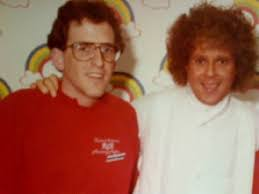
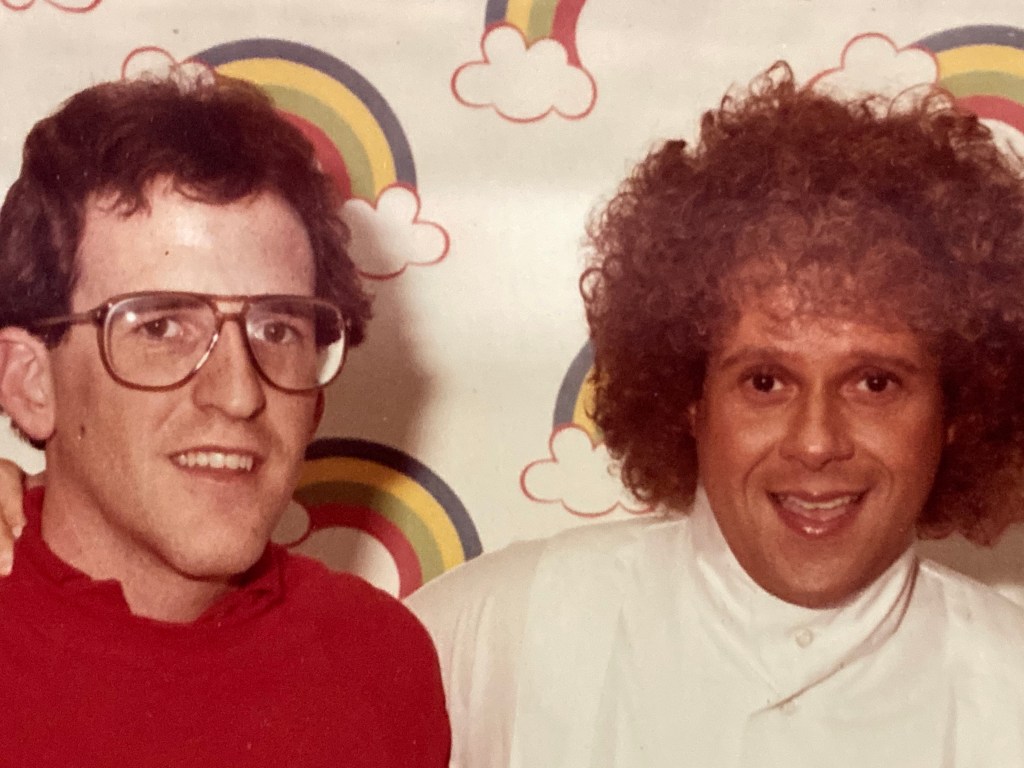
Richard Simmons
Dad and Mom
Pete Barrecchia
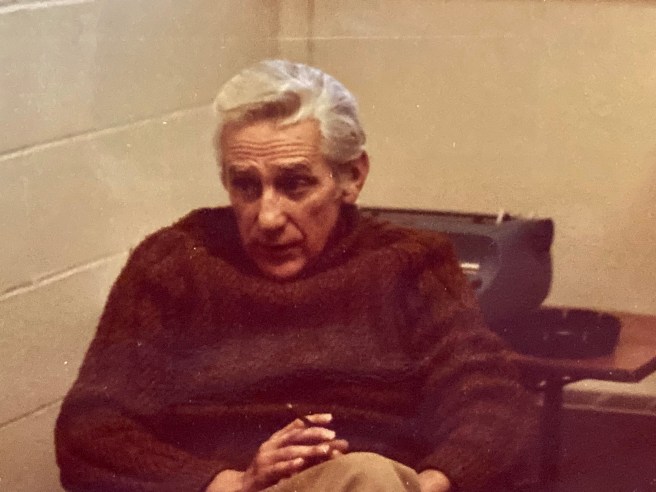
Fr. Dan
Cole Young
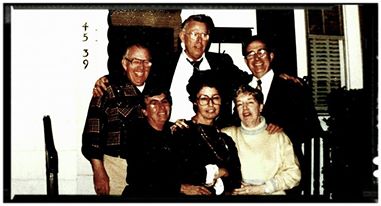
Dad and his siblings, Howard, Ed, Audrey, Phyllis, and Joan
Doug Dunn
Rachel Scher
Letty
My cousin Bill (with my cousin JoAnn)
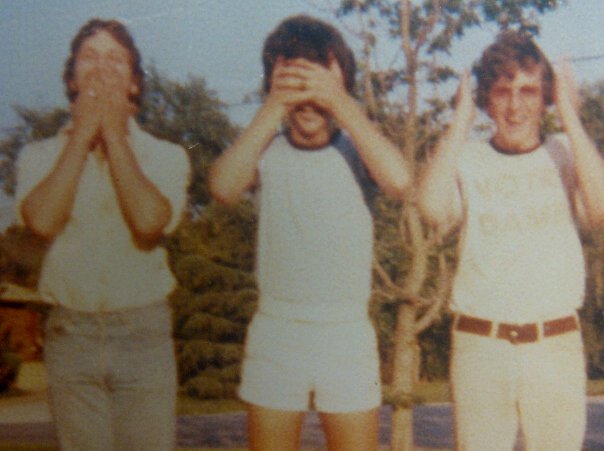
Dave Weir (on left, with Mike Russell)
You’re the color of the sky Reflected in each store-front window pane You’re the whispering and the sighing of my tires in the rain
You’re the hidden cost and the thing that’s lost In everything I do and I’ll never stop looking for you In the sunlight and the shadows
And the faces on the avenue That’s the way love is
I don’t remember losing track of you You were always dancing in and out of view I must’ve thought you’d always be around
This is Part Two of a Five Part Series here at A View.
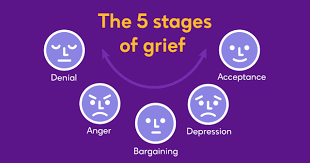
Psychologists, including Elizabeth Kubler-Ross in her definitive work On Death and Dying, teach us there are five stages of grief: Denial, Anger, Bargaining, Depression, and Acceptance.
First, here’s an AI sourced summary:
Denial: A natural reaction to loss, denial can help people slow down the grieving process and avoid feeling overwhelmed. It can also be a way to try to understand what’s happening.
Anger: A common reaction to the frustration of no longer being able to live in denial, anger can feel like an emotional outlet as people adjust to a new reality. It can also provide temporary structure and a connection to the person who died.
Bargaining: People may try to change the circumstances that are causing their grief, such as hoping that things will improve if they take certain actions.
Depression: A stage of grief
Acceptance: A stage of grief where people find control and figure out how to proceed
PART TWO:
Anger:
(a bit more serious this time)
This is a tricky one since there are several levels involved. On the one hand we might lash out at others in some mind-bending way to “control” something, anything, as an emotional response to a death we had no control over which left us feeling helpless and abandoned. We might get angry at our children for the simplest of things to evade the reality of our own parents’ passing. Or we might be angry at the departed for departing, particularly when their exit is far too soon, burdening us with some sense of guilt for still being here, for slowly forgetting, for moving on. It’s a bit more rational to be angry when the death was self-inflicted. I’ve known several people who ignored that canon fixed against self-slaughter and ended their sea of troubles. Most notably a high school buddy who, after several attempts, succeeded when we were in our thirties. But I’ve learned much about mental health since then and it is hard to be angry at someone whose actions were quite decisively beyond their mental capabilities to control, despite what we wish.
In fact, anger either at the departed or at others because of the departed seems irrational at best. But it happens. For instance, my college friend Dave pissed me off. In the case of his death I blew right though denial and landed quite solidly in the deep end of anger. I’m not sure this is the type of emotion Betsy K-Ross was talking about, but give this a thought:
Some background. I knew Dave since the fall of 1979 and have written about him before on these pages. We ran a radio show together, worked at the campus newspaper together and the college radio station together, just him and me at 5 am for four years, Dave on news me spinning music, and we bonded during those pre-dawn hours in the chill of western New York. I stayed at his house in Buffalo on many occasions and became the “fourth son” of the family. We went on retreats together and relied upon each other for comic relief during pressing times throughout the next forty-five years.
Dave was talented but when he was faced with self-doubt, especially when he battled depression, he would call, and we’d talk until two or three in the morning. I once walked out of a reading in Virginia just after ten pm and he had called six or seven times. I returned the call and sat in the parking lot until dawn talking about all the reasons we keep breathing. He had no way of knowing I faced my own demons, and that he kept me going as well. I told him, but often Dave was not listening. That’s hard to explain. But we finished that conversation that morning laughing, laughing hard and even singing, “Old Friends.” And we talked about traveling to Australia together and writing a book. We both knew that would never happen; but talking about it pushed the other stuff out of view, and that’s why we stayed on the phone so long. We had to wait until our verbal tide came in and washed the rest away.
In the years since the introduction of the cell phone, we texted each other no less than three times a week. Sometimes it would be just some song lyrics that made us think of each other, sometimes a photo of the day. To be honest, I didn’t always answer when he called because he tended to ramble right past my “I have to go now, Dave” interjections, so I preferred the texts.
In late April, I texted him a simple hello and asked how he was doing. A random thing without lyrics or puns. He responded that he was fine, just a little tired, and he looked forward to talking soon. In mid-May the phone beeped, and it was a text from Dave. I opened it to find an obituary about Dave sent by his widow. My hands were shaking. I immediately called and we talked for a long time. Dave had been diagnosed with kidney cancer the previous September, but by the time they found it the disease had already metastasized rendering him a death sentence. “He fought hard the whole way,” she told me. He didn’t want anyone to know but his immediate family.
Pardon me on this one but Fuck You Dave (yeah, that’s anger right there). Seriously? First, the rationale for such silence is he thought he could beat it and didn’t want anyone to know, or he didn’t want people pouring sympathy all over him which he would hate, or he wanted to just focus on family, his beautiful three adult children and their own kids. Yes, I really do get that.
But those who exit without allowing others the chance to say goodbye or tell them how much they meant or at the very least acknowledge that you might not be alive if it wasn’t for him, just seems a tad selfish. This all came parallel to a deeply open knowledge of Letty’s impending death with the chance to tell it all to each other. Of the two, openness wins hands down. Are you kidding me? It’s hard not to tell someone what you wanted to say when they just go away for a while, never mind forever. When I told Letty of Dave’s passing, just two months before hers, she was even more sure of her decision to expose her impending death to those she knew. No questions at all.
After I hung up with Dave’s widow I called Fr. Dan, who himself had but two more months to live and didn’t know it, and I told him the news. He was dumbfounded. He had spoken to Dave just two weeks earlier and all Dave told him was “I haven’t been feeling well; please keep me in your prayers.”
This forced me to wonder what I would do. Of course, my life has been an open book for quite some time, but it is more than that. Eddie got hit by a car, Fr Dan died in mid-sentence about his plans for the weekend, someone we love right now may not know what is next. Why aren’t we leaving it all on the table? Why do we keep our feelings, those deep, often embarrassing to admit out loud ones, inside? I can testify that of all the emotions I have about Letty’s passing, none of them is anger.
Dave on the other hand; I’m just pissed for him not giving me the chance—and he could have; I mean he knew what was about to happen—to tell him what I wanted to, and perhaps he had a few things he would have liked to say.
Well, lesson learned though. I just might dump pleasantries on you at any given chance just in case one of us exits the stage in the middle of the third act.
Still, Kubler-Ross addresses another anger in addition to the one focused at the bastards who died. This is the one where we feel helpless and lost, and someone once a part of our daily routine is now absent in all ways, and there’s no way to control that absence, so we channel that thorny emotion into one we can control which might relieve some of our anxiety at floundering without someone: Anger at ourselves.
Well, yeah. I’m angry at myself every time someone I love dies. Angry for not being there more often, angry at not having said what I so easily could have but simply didn’t bother to say. Angry at myself for getting angry at them in the past for the stupidest reasons. Angry at my aloofness and at my over-dependence, at my distance and my closeness and my silence and for saying too much.
Angry at myself for sitting quietly at the bay and watching the sun slip up above the distance and giving me another chance. EKR is clear about this one: the anger of guilt.
I’m aware of the psychoanalytical responses to this; please don’t load up the discussion page with comments about carrying on and blah blah blah. I know, really, I know. I get it. BTDT.
But understand: I welcome the anger at myself when someone dies. I think we all should get angry at ourselves when we didn’t tell someone how much they meant to us, how much we cared, how much we still do. It forces us to not make that mistake again. It impels us to be open with those we can, now, while time has allowed us to remain part of this ongoing brilliance of exquisite life.
Don’t keep your death to yourself while you are still alive.
Finally, Liz Ross writes that often anger is directed at some Deity for allowing the death to happen, particularly a premature death which for my part is the case for, well, all of them. This is the most ridiculous anger of all and I’m bored with hearing it. Listen, if your faith suggests death is all part of some greater plan, than your anger is contradictory and quite dumb as you’re now getting angry at a God who has enough control to decide death and when it happens to each of us. If you don’t believe that’s how it happens then move on, it’s no one’s fault.
I miss Dave. I miss his texts and more than a few times I have reached for the phone to write, “How terribly strange to be seventy,” in reference to our plans to sit on a park bench when we reach that age and sing Paul Simon’s song. But then I remember he fell shy by seven years. When I’m thinking clearly, I’m not angry at Dave; that’s foolishness.I’m not angry at some God or even myself. No, when I’m thinking clearly, anger is not part of any equation; only love, and the times we could have loved more.
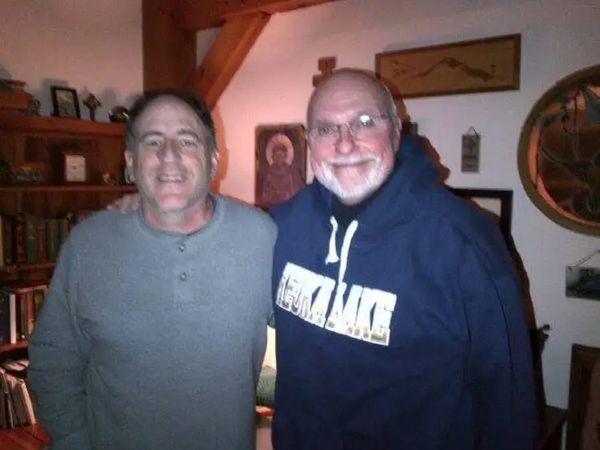
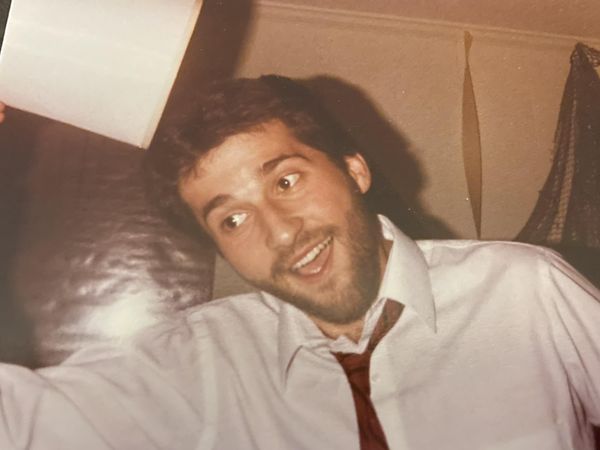
That’s my friend Dave Szymanski. He died Tuesday, May 14th. RIP my brother. We laughed so much that now just laughing at all often makes me think of him. We were going to get together when we both turned seventy and sing “Bookends” on some park bench. No kidding; it was part of the plan. We wanted to belt out to whatever audience was out walking their dog, “How terribly strange to be seventy!” Well, that won’t happen. Still, I am absolutely certain if I make it that far I’ll most definitely do just that, but alone, crying, laughing. I have so many stories about Dave you’d think we were twins. But those are mine now–Dave and I agreed to have joint custody of the stories of those times, but since he is gone now, I’m assuming full ownership. Unfortunately, they fall squarely under the category of “You had to be there,” so there’s no point in sharing them.
This is not likely to go where you believe it might go.
I’ve been thinking about what I can best call the start of some independent consciousness–that is, the time when I was first aware I was a growing, independent thinker/dreamer, mentally unattached to others, my thinking not entirely tethered to parents or siblings or teachers. I guess I was in what we then called Junior High, now Middle School, and at thirteen or fourteen years old life was still idyllic. That’s the point I think I started to think of myself as an individual. I have no idea if that is late, early, or disturbed. We lived near the Great South Bay next to a State Park and an arboretum, a golf club, and I was surrounded by friends in the village of Great River. I have memories before that, and possibly even dreams, which at that time were to either be an astronaut (Apollo 11) or play baseball during the summer (Miracle Mets) and be an ice cream man in Florida during the winter. But those were the “in the immediate” aspects of life; that is, things you thought about and said to friends but then forgot nearly instantly. But realism crept into my view somewhere around seventh grade when more realistic plans surfaced, like sailing around the world or riding my bike across the country, or being a musician or a writer or a tennis pro. All seemingly real plans at the time; those things which you no longer imagine and pretend but which you pursue, even if fruitlessly and without much talent.
No one save his family knew Dave was sick, so most of us didn’t have the chance to take the time to reminisce. It’s important; we always say, “Tell people how much you care about them because you never know if they’ll be around next week,” but we rarely follow through. We know it is true, and we know it is real, but we just don’t. But if we really did know it was the last time we might talk, the last chance to say something, like how much you appreciate the long conversations in the radio station at five in the morning, you picking out albums, him tearing UPI articles for the news; or how the three am pancake house runs were more important than final exams; or how the weekly texts through the next forty years kept you going, you’d tell him. Listen: Please, make sure if something happens and you know you’re going to be checking out, do not keep it a secret; some of us have a few things to say.
Anyway.
A few days ago someone asked me for my favorite picture of Dave. I went searching deep both on and offline, but I do not have many at all since back when we spent a lot of time together we rarely walked around with a camera and film. But I looked, all the while sifting through tons of other photos of the scattered years throughout my life, and at some point I stopped and simply sat remembering, and I realized something close to lifesaving during an otherwise heartbreaking week: What an amazing ride this has been so far.
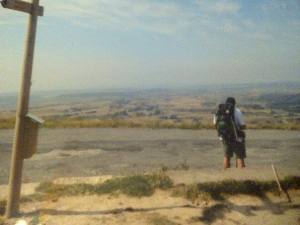
I’ve mostly taken the paths of least resistance, I must admit, but apparently someone was up ahead clearing it for me, because it’s been outrageously fortunate. And I finally figured out what the pictures are for. Not only to reminisce, but to remind myself when I get lethargic or depressed, lonely, or tired, that I’m still walking this brilliant Camino, and to remind me of the words of Virgil when he wrote that Death twitched his ear and whispered, “Live….I’m coming.”
Not knowing when someone is going to die, or even that they are sick, is a cold reminder that we don’t know when we’re going to die, or when we might fall ill, and the truth is we just might have a few things to say to those we will leave behind. Speak now or forever…
I normally try to not write too directly only about myself, choosing instead for a digression into some common ground. But not this time. Honestly, this one is for me. Just a few findings from the journey so far:
Sandy. My best friend forty-five years ago.
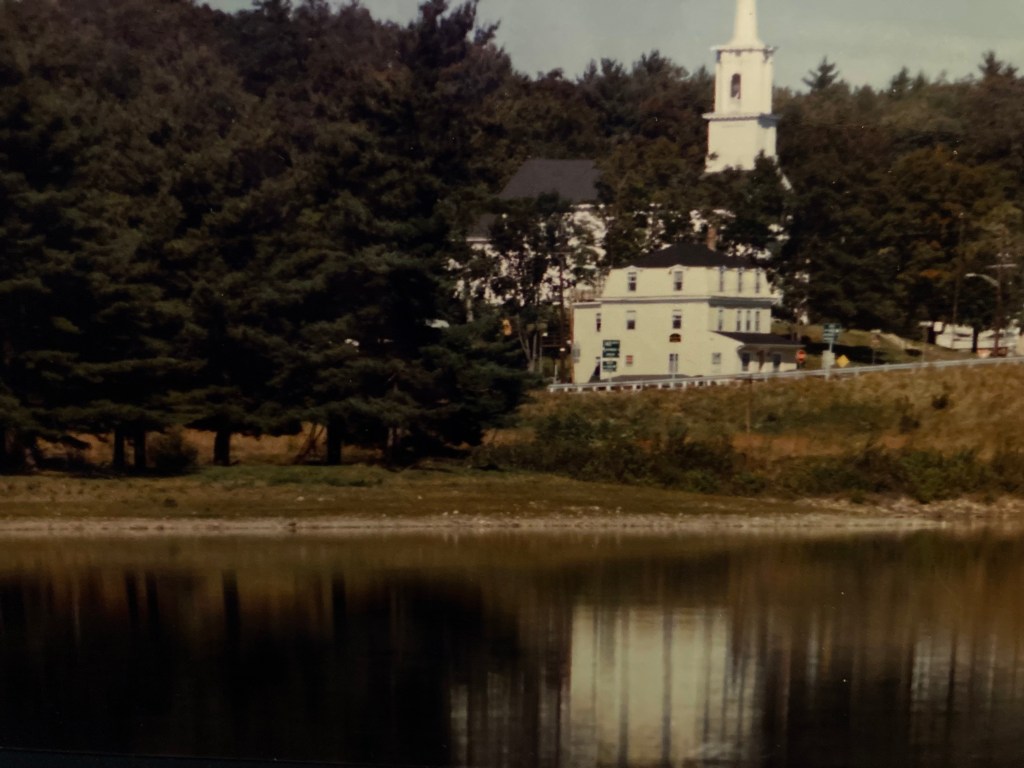
My yellow house in Oakdale, MA. I lived for a few years on the first floor/basement behind the hill. The water is the Wachusett Reservoir, and up the road to the right was an apple mill, then up the mountain to the ski slopes, Princeton, Massachusetts. I loved it there and never should have left. 100 years earlier the house was a fish market.
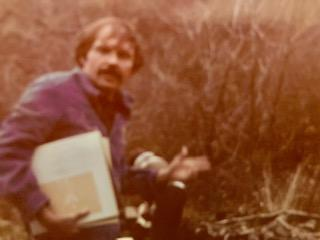
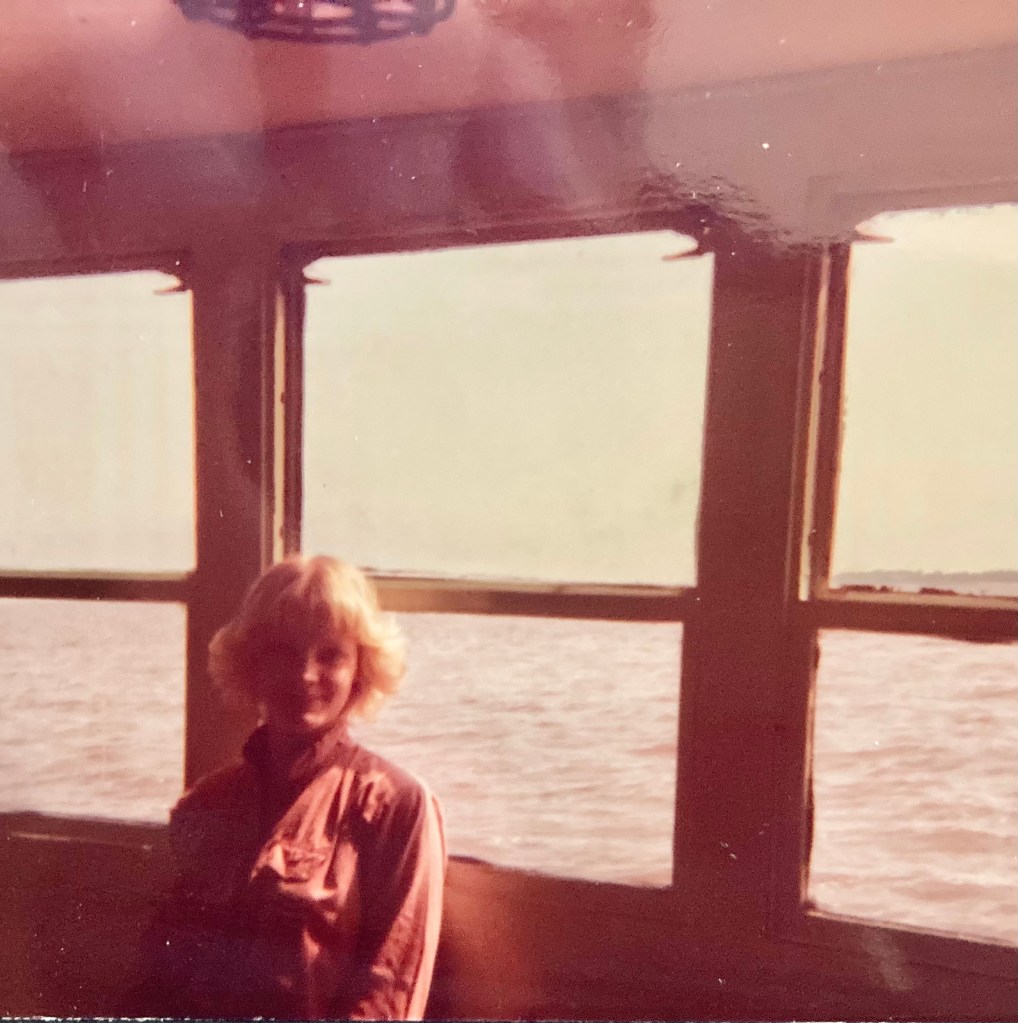
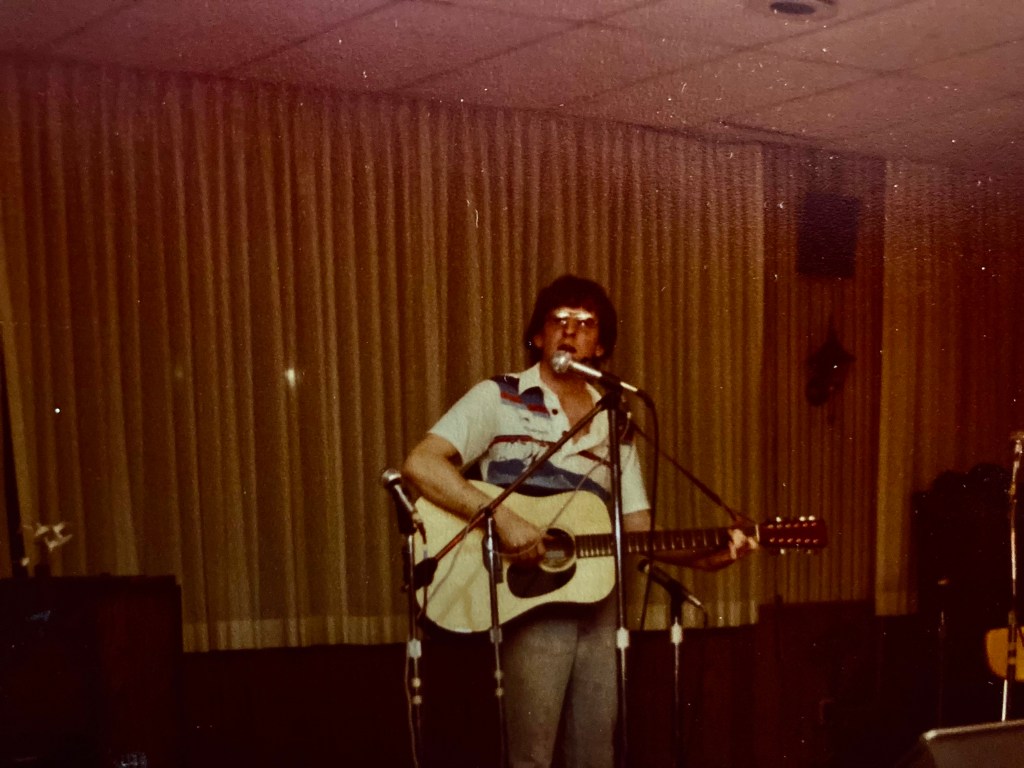
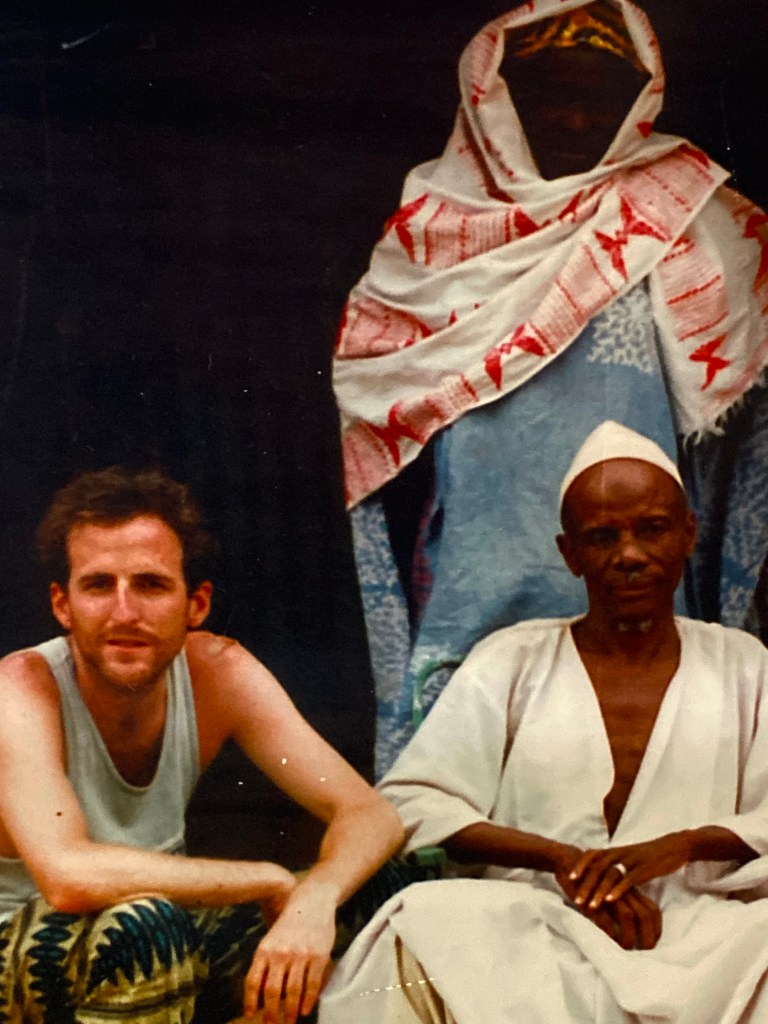
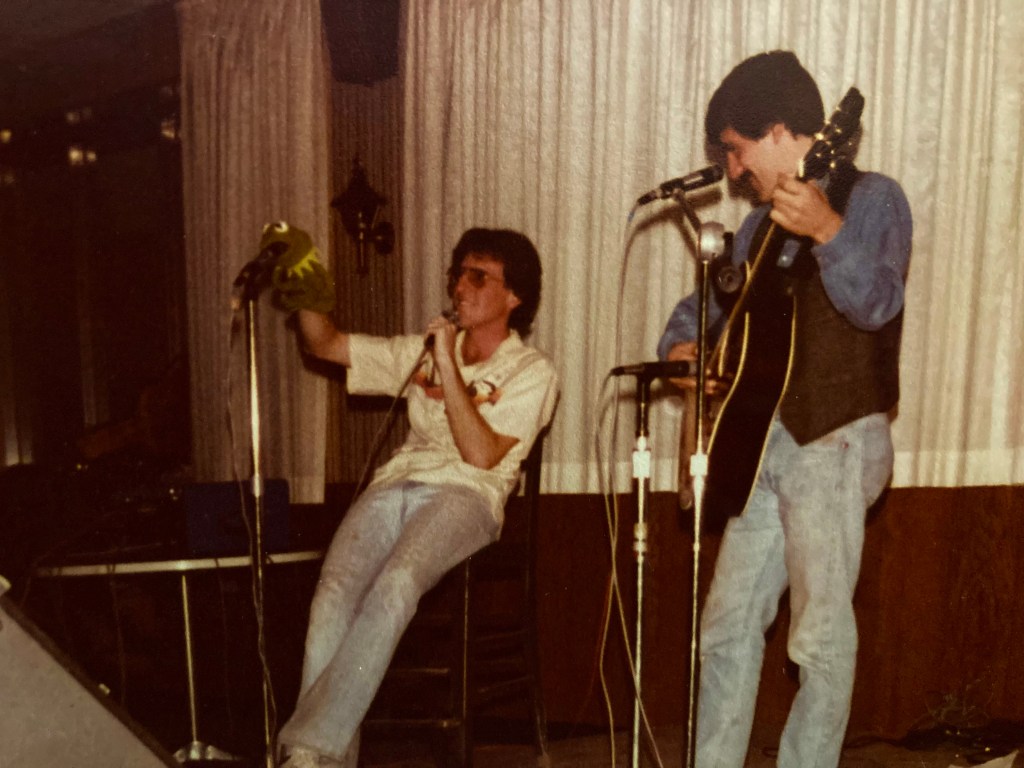
My siblings and me (in the middle) in Massapequa Park on Long Island, where we lived from just after I was born until I was nine. It was a great place to be; Dad worked his tail off so we had great childhoods. My siblings are two of my five heroes.My friend Michele during high school. One day I borrowed Dad’s car to go to Michele’s for “about an hour.” Instead, we drove to the end of Knott’s Island on the Carolina border, drove onto the ferry, and headed down the coast of the Outer Banks. Neither one of us wanted to turn around. If we hadn’t we might well still be driving.In Senegal where I spent some time before headed somewhere else in Africa. A few months earlier my life had completely changed, so I decided to change it further and ended up there. My college friend Claire and me with a village jeweler on the left. We had no clue who the dude on the right was. He just jumped in the picture.I lived in this cabin in northern Norway for March of 1995 with my colleague Joe and American teacher/writer John Slade while we taught at the Bodo Graduate School of Business. We filleted cod caught by our seventy-five year old neighbor, Magnus. A Russian guitarist, Max, and I spent evenings in the cabin dueling folk tunes from the US and Russia. One night I fell through the ice on a lake but only to my ankles. Another we felt we had to duck from the swirling bands of the Northern Lights. Another we chased moose up a hill. Other stories for another time.This old guitar saved my life. Coffeehouses kept me from falling through some proverbial ice during those years. And what stories from those gigs, like the time when 150 people sat to watch us play and at one point we opened the curtains behind me (there’s an Olympic size swimming pool on the other side of the windows) at the exact time a swimmer climbed out of the pool and his suit had slipped to his knees. We all waved. He dove back in the pool.The Great River house my father had built and where we lived until moving to Virginia in ’75. When people ask where I’m from it is a difficult question to answer, but as I get older I say “Great River” and it is listed that way on my FB page. I live in Virginia. But I’m from Great River. Hard to explain. My advisor and mentor, Pete Barrecchia. He was one of the true journalists of this country and the source of my first and greatest writing lesson. When someone in editorial writing class complained about not knowing how to start and where to put in the research and on and on and on, he put down his cigarette, grimaced, and said, “Oh just write the fucking thing.” It worked. One of my escapes during college; Letchworth State Park. My escapes were either music or nature. Sometimes just the smoke-filled art studio beneath a dorm on the other side of campus. But escape was always important for me. Hard to explain. My boss in the mid-eighties. One of the finest humans I’ve ever known. Yes, that’s him.Village chief. And his wife. My Great Uncle Charlie Kunzinger and Aunt Jane. Time note: He fought in WW1 in France, and when I was a freshman in college at St Bonaventure, he was still writing me letters and sending poetry.Mike Bonnano and Kermit when idealism was still okay to sing about, and where no one cared how bad you were.My friend Tim O’Brien who most know for his prose writing but few know is an extremely accomplished magician. True story.
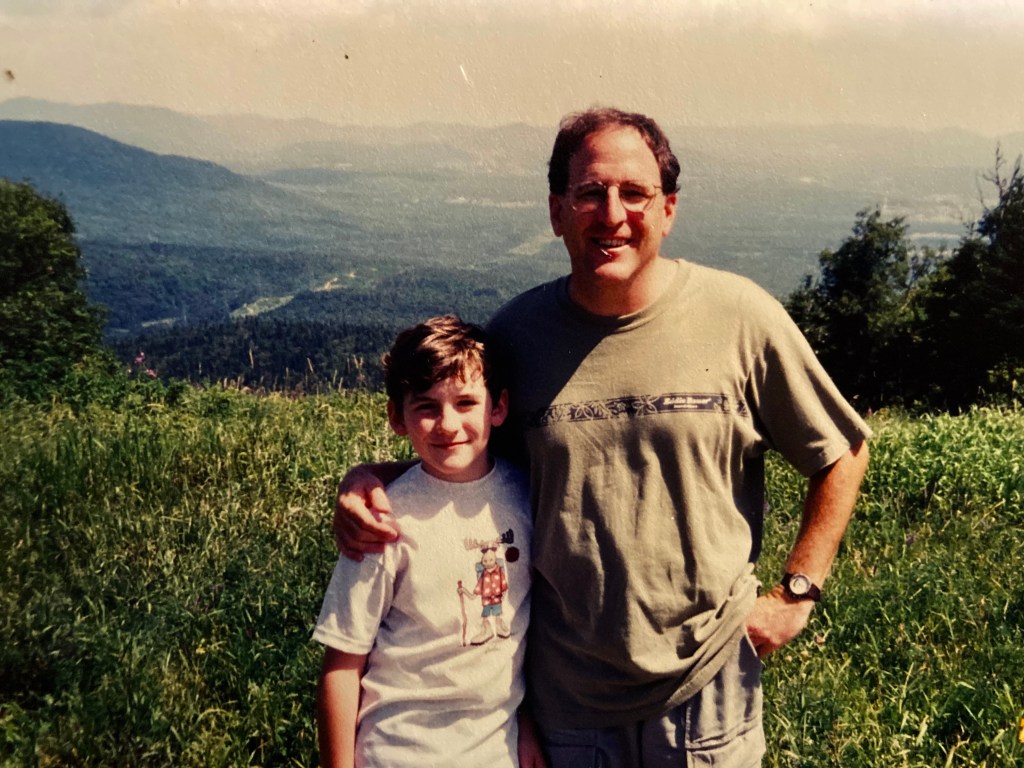
Michael and me in mountains of eastern Quebec many years ago. We’ve been literally around the world since then, and we’re still going. With apologies to Maya Angelou, “I wouldn’t take nothing for my journey now.”
Call someone. Tell them something. Anything. Forgive them. Ask them to forgive you. Tell them you’re sorry you didn’t answer the phone that last time they called and said they felt like talking. You planned to call them back but just didn’t “feel” like it yet. Now you can’t. Go ahead, call someone and say you wish you were as good a friend to them as they have been to you. Don’t be embarrassed. It’s only life, you know. That’s all.




















 a view from this wilderness