The Peaceful Priest on the left/the asshole on the right/1980’s
A friend of mine is a Franciscan priest who remains calm no matter what happens.
We are not alike.
He is compassionate, understanding, patient, and saint-like. He is perfect for his job and does it 24/7; that is, he is one of those rare souls that couldn’t be anything but some sort of man of God. If he gets stuck in traffic, for instance, he keeps it all in perspective. If someone cuts him off, his response remains, “They really must be in a hurry. I hope they’re careful.” Or, “Wow, God bless them and watch over them, they really must be anxious about some appointment.” His is a peaceful soul.
This contrasts directly with my “Use a frigging turn signal, butthead!” approach. When entering a tunnel and the traffic decelerates from sixty to forty, the good Father cares: “Oh, thank our Lord they are all being careful going into this tunnel. It really must be frightening to so many people.” I handle it with my own style: “It’s a tunnel. IT IS A TUNNEL! It is not a brick wall! Wilie E. Coyote didn’t paint the f***ing thing! The Road did NOT shrink! It’s a damn TUNNEL!”
We obviously address frustration differently, which makes me wonder how we ended up this way. Would Monastery-Bob and Professor-priest keep their temperaments? If I lived on a mountain in prayer would I be less likely to want to kill the cashier for needing a pen to subtract $5 from $20?
I was like him once, my friend the peaceful priest.
When we met during college we talked a long time about peace and where it comes from. To search for peace in the world is a fruitless act. Even if we find it, it can disappear with war, with stress, with distractions and interruptions. It is like turning to others to find what you want to do with your life; it must come from within. And peace, too, must be a spring, not a shower. I always liked that thought.
I once went to Father’s room and found dozens of people drinking beer and laughing as they told stories about their lives. Afterwards, I said I had a great time and found it strange that I could feel so lost among friends on one day and on another feel so connected and centered. He said, “Bobby—tonight you brought the peace with you.”
Man, he made it sound so simple: Bring the peace with you.
So a few years ago when some dirtbag student of mine called me an asshole in class, I thought of Father, and how it is never the situation but how we handle it. I could picture him with his wide smile and deep laugh and huge hands on my shoulders telling me I’m going to be just fine. I brought the student into the division office and sat the little bastard’s ass in a chair while I filled out a withdrawal form. Before I could finish the paperwork, however, and before he stopped crying, I decided to give this “peace” thing a shot.
“Are you scared?” He looked at me. “College, I mean, the assignments? Are you worried?”
“I suppose,” he said, calming down.
“Why?”
It took him a long time to answer something other than the moronic, I don’t know. “I’m not a good student. I was never good at school.”
“You get confused?”
“Yeah,” he said, nodding, knowing I hit on his fear.
“Yeah,” I said. “A lot of people do. I know I did. What you might try doing is stepping back a bit. Sit to the side and watch everything from a distance for awhile—get some perspective. Instead of calling me an asshole, ask me some questions.”
“Right,” he said, with not just a little indignation.
Bring the peace, Bob. Bring the peace.
“Sometimes we need to see things from a different point of view.”
He was quiet a long time and I believed I got through to him, and I wondered what he pictured as I recalled sitting in Father’s room listening to stories of scared and lost students like myself still trying to get a handle on our place in the world.
“Wow, thanks for your psycho-babble bullshit, Dude,” he said.
I took a breath, thought of Father, and told the little prick to get out of my site; that Hardees is hiring and someone has to clean the toilets.
It’s a gift, really, knowing one’s place in the world.
I headed home thinking about peace and frustration, fear and anxiety. He’s where he should be, this former student of mine. He’s out in the real world where he can seek out only those challenges he knows he can conquer. He is part of the masses that only face what they’re not afraid of. I wondered, though, how often I only face what I know I can conquer.
Bringing peace to an otherwise hostile environment is a difficult task and it gets harder when we watch the world simmering in anything but serenity. Maybe that’s why I, too, often avoid the challenge and instead wander down country roads, watch the water ebb and flow rather than suffer the anxiety hurled at us from the news of Ukraine, of Gaza, of DC, of course. It’s why I don’t drive during rush hour, avoid fast food restaurants and box store checkout lines. Hell, maybe I’ll just start giving everyone A’s so less people will call me bad names.
Yes. Let there be peace and let it begin with me, Bob the Asshole. I’m going for a walk and I’m bringing my peace with me.
Eōstre is the Old English way of saying Easter. The reference is to a new birth, a sense of rising quite appropriate for the holiday. Few realize, I’m sure, that Eostre was the name of the pre-Christian Goddess of Dawn.
Life is always being reborn, whether the result of the changing seasons or divine intervention, rising from the past to try again.
I’m home now, and it is Easter Sunday, and I’m thinking about the need to start over. In that frame of mind with the buzz of a dozen candy coated chocolate malted eggs, I found again a metaphor in nature.
Back to this wilderness.
It occurred to me one day on my porch while staring at the surrounding woods, that at some point less than one hundred years ago none of those trees were there. The land has beautiful eighty foot oaks, some maples, tall thin pines and various other hardwoods including black walnut trees, which I am told can provide the ingredient necessary in the liqueur, Wild Spiced Nocino.
The branches protect birds as diverse as red-tailed hawks, downy woodpeckers, and countless chickadees, and they are habitat to other wildlife including one flying squirrel we spotted a few years ago when his tree fell. The squirrel was fine and found a new home in a white oak.
But a hundred years ago this was just land, sandy land, edged by the running Rappahannock River and backed by equally treeless farmland. A century before that these nearby plantations provided food for the region at the expense of slavery, and some slave descendants remain, selling vegetables at food carts out on the main road, or working the bay as watermen, telling stories about how the Chesapeake is just about farmed clean every season by crabbers at the mouth or the headwaters leaving nothing left for those working the midland shoals.
This area hasn’t changed much in one hundred years.
It is like this everywhere, the coming and going of things. In Manhattan a few hundred years before the wild construction on bedrock, coyote and deer were common. It was hilly (Manhattan means land of hills), and where the United Nations stands once stood grand oaks. The Lower West side was a sandy beach, and ecologists say if left to do what it wanted, most of the upper west side would be covered in trees and vines, shrubbery and wildflowers inside twenty years.
I can’t imagine what my house would look like if left untouched. When I don’t mow the lawn for a few weeks it looks like a refuge for timber wolves.
But these trees weren’t here a century ago and I sat on my porch and wondered if there had been other trees or if this land was barren, or was it used by the Powhatans, or was it home to some former slave family, or just a dumping ground. Evidence is scarce, buried beneath the roots of this small forest. Local historians settled long ago that this lower part of the peninsula was primarily hunting ground for the Powhatans, including Chief Powhatan and his daughter Pocahontas.
It’s changed since then. Four hundred years of rebirth in these woods finds me on the porch contemplating the ghosts of Aerie
This happens to me everywhere I lived; I like to imagine what was on that spot one hundred, two hundred, a millennium earlier. The house I rented in Pennsylvania was used as a hospital during the civil war. Before that it was a farm. Now it is a Real Estate office. The maples which lined the road and shaded the living room are gone. Someone planted new ones but it will be decades before they mature. My house in Massachusetts was a fish market a century earlier. Purpose moves on with time. Maybe that’s why I’m so mesmerized by the Prague hotel I always stay at. It was the same building seven hundred years ago that it is now. But here on my porch I realize this house is the only place in my life I’ve lived for twenty years, and I was curious if five times that score of years ago I could sit on this spot and see right out on the water, or were there trees then as well, different ones which died or were timbered to make room for crops.
The house is made from western pine forested on land which I assume is either now empty of trees or filled with young pines waiting to become log homes. What will be left a hundred years from now? Will someone sit on this same porch and look right out toward the bay once these oaks have long fallen? I know this house, this land, is a “hotel at best” as Jackson Browne despondently points out. “We’re here as a guest.”
Wow. Wrote myself into some sad corner there. Thanks Jackson.
I know nothing is as permanent as nature, despite the constant changes. It simply isn’t going anywhere. We are. So I like to remember that a century ago farmers sat here and talked about the bounty in the soil, or talked to 19th century watermen about the changing tides. And I like to realize that a hundred years before that the nearby swampland, now home to so many osprey and egrets, was a major route for runaway slaves. They’d have been safe in these woods, if there were woods then.
I like to do that because it reminds me a hundred years from now perhaps I will have left some sort of evidence of my passing through; even if just in the cultivation of language, the farming of words.
So I sit on the porch and listen to the wind through the leaves. It is now; it is right here, now. Sometimes at night we stand in the driveway with the telescope and study Saturn, or contemplate the craters on the moon—both here long before us and in some comforting way, long after we’re gone.
In spring and fall the bay breezes bring music even Vivaldi would envy, and I’ll listen to his Four Seasons, written nearly four hundred years ago, and listen to the wind through the leaves of these majestic, young trees reaching eighty feet high, and be completely, perfectly in the moment.
Despite the warming trends, the extreme tendencies of weather, the fragile ecosystem which sustains life, nature is still the only place I have found that really doesn’t change. It never has. Ice ages and dust bowls will alter it, but eventually some seed will take root.
Let’s start with this: My sister should be dead. Some years ago Cathy was diagnosed with aggressive stage four ovarian cancer. She had to undergo treatments in Philadelphia, knowing the odds of surviving even for just a couple of years were slim. She continued to work daily in Princeton, New Jersey, forty-five minutes from home, and she battled the monster. To the point: If you know anything about my sister, you know that ovarian cancer, even stage four, didn’t stand a chance. That was more than ten years ago, and not only did she defeat the cancer, not long ago she was told she is completely cancer-free and doesn’t need to return.
First picture ever of the three of us with Mom, Point Lookout, NY, 1960
Of course. That’s Cathy. One of my heroes.
I thought about telling “Cathy stories” here, like how she got my copy of the then-brand-new Let it Be album by trading me a Bobby Sherman album. Or how she let me use her guitar all I wanted. Or how she sent me care packages, made me ceramics like a seagull mug and another of a seagull standing on one wing, a beautiful rug she made of a seascape, and a pillow she made of Fozzie the Bear. How she introduced me to the music of John Denver which carried me through some difficult nights as I went out on my own, and how she sent me a plaque she made with the lyrics to John Denver’s “The Eagle and the Hawk.”
Cathy and Fred holding up their chubby brother
She doesn’t recall but I do how during the Watergate fiasco, my history-major sister quizzed me relentlessly in who the primary players were at the hearings. I was thirteen and she was in college, so I didn’t really see her too much after I turned twelve. But I ended up at the same college some years later to discover she had left a mark at our alma mater, graduating seven years before I did, but her former professors knew who I was because of her. I let them know quickly I was not my sister; an always straight A student who excelled in her studies, particularly in history, eventually earning her doctorate at Notre Dame where she met her loving and devoted husband, Greg.
Cathy and Greg
I’m not going to provide details of the myriad times she ended up being the butt of my jokes and those of our brother Fred. I will say she is such a fine cook and baker that her food should be in restaurants, she is an excellent writer of both history and other subjects, authoring the fine and definitive book Agenda for Reform, about Winthrop Rockefeller. I’ll not embarrass my sister with stories of her dancing to the “Hokie Pokey” at a resort in Downingtown, Pennsylvania, or bring up the complete drenching she received on the Roman River Rapids ride at Busch Gardens in Virginia, where she apparently didn’t know she’d get wet, to which her son replied, “Ma! It’s Roman River Rapids! What did you think was going to happen!”
Cathy with Lyra
I’m going to save the story of calling her one August day in 1988 just seconds after she received beautiful news that would change her life; how she became a committed and loving mother; a passionate grandmother, which only deepened her love for her husband and the rest of our family.
Cathy with Henry
There are too many details necessary to explain the time I finished a reading at a major conference and afterwards a woman approached me and asked if I was related to Cathy Kunzinger Urwin. When I told her, she said, “I’m with the Winthrop Rockefeller Center in Arkansas and we’ve been trying to reach her! Her book Agenda for Reform is the best work written about Rockefeller and the work he did, and we want to invite her to a symposium.” I was never so proud of my big sister, and I really don’t remember much about the rest of that three day conference, but I remember that.
The three of us at the World’s Fair, Flushing, NY
And I’m going to keep to myself the history we’ve shared not solely as brother and sister but as friends. And readers do not need to be reminded of what it means to have an older sister; how she is counselor, surrogate mother, teacher, patient audience, how she teaches scared younger brothers how to care about others, how to show compassion, how to think of others first. Few people with an older sister don’t already know she is a security net for the most challenging of emotional events, how she listens, how she is tolerant.
“Life is paper thin,” my friend Toni Wynn once wrote. Sometimes we all take each other for granted, forget to check in, see how life has been treating us. On the one hand we might talk often enough to know our sisters are there if we feel like calling. On the other, we don’t let them know nearly enough, not nearly enough, how much they mean to us.
Happy Birthday Cathy.
Cathy and me, 1988
But I can’t avoid this one, just for old-time’s sake:
Last night I had dinner with seven other writers at an Italian restaurant (manicotti, meatball, salad with blue cheese dressing, chianti). I never before met the two women on either side of me, or a few of the others for that matter. We talked about weather, of course, and about the food. Where we’re from, what genre we write in (most of these people are poets). The talk turned to “what we’re working on,” and that’s when I ordered the wine. I’m not comfortable talking about what I’m working on unless I, a. know you very well, and even then, b. will change the subject. I’m not alone in this. One of my closest friends for twenty years is a poet and in all of our lunches or dinners through the years we only ever talked about writing when we read together at some event, and even then we don’t. Rick, another very dear friend, was there last night and we sideswipe the writing conversation nearly all the time. We’ll send each other drafts for comments, but don’t really talk about it
I never saw the point. I’m interested in what they’re working on, sure, kinda, but I’d rather really just read the final copy. If they do mention it, I’m really looking for little more than, “A collection about warts” or the like, no details. Peek my interest and step back. And who am I kidding; I’m not going to ask what anyone is working on, particularly people I don’t know. I don’t think it’s rude; I’m more comfortable with my work if it goes from brain to screen without getting blown around in the air between other people. I don’t mind the question; I get it all the time. But my answer will be little more than “some work about teaching,” or “several things going right now,” which doesn’t answer the question at all, which works best.
I find it revealing that the writers I know well also simply don’t really talk about it. We’ll talk about the process, or the stages of publication, or past work (ugh), but what’s on the front burner now is simmering and it’s best not to get too close.
It might be different for poets, or even novelists. But then those monikers right there in the previous sentence explains a lot–they are, in fact, “poets” and “novelists.” I’m neither, and what I do do does not translate to such a label. “Hi, I’m Bob, I’m a non-fictionalist.” Memoirist comes closest, I suppose, but most of my writing is not (my last book and my next book excepted, since both are full-length manuscripts about a certain time and place in my past). I write essays, or observations. A book slated for 2025 is a Sedarisest-style book about teaching; it’s not a memoir, so in that case I could be called an essayist, but that’s not accurate either since, it’s very memoiry, but, well, never mind.
The point is the manicotti. Growing up my mother always pronounced in manigaut (I’m not even sure how to spell this, but assume it is said as might an Italian who doesn’t speak English–without offense to my Italian cousins, and you know who you are). I was old enough to order my own food when I pronounced it that way and some server somewhere looked at me for a minute and replied in all her Virginian perfection, “OH! ManiCATTi!” Okay. Last night I heard a lot of menu items pronounced by the staff in a very non-West Virginian way of saying it, so when I knew I was going to order this dish (avoidance there, thank you), and when our excellent server, Jaimie, asked what I would like, I replied, as might my mother fifty years ago, “Manigaut.” She looked over my shoulder for a few seconds at the menu and replied, “Oh, the manicAtti, excellent.” Sigh.
Do you say what is the proper way to say things or do you say what they simply need to hear, are used to hearing? “I’m working on a piece about being nineteen years old.” “I’m working on a group of short essays, really nearly flash non-fiction, about stages of life, the patience we need when our children are very young and the patience we need when our parents are very old.”
That usually gets an accepting “Sigh. That sounds so good.” But it sucks, so I can’t agree, it might be good later, maybe tomorrow maybe in a dozen years by someone else. And that’s why I don’t talk about it.
Another writer I’m very close to is working on quite an involved work of fiction and is already nearly 100,000 words into it, and does not mind talking about it. But it helps, I believe, that writer clarify all the various aspect of this work, so talking about it somehow sharpens the mind about it. And I truly loved hearing about it.
But that’s not me. I don’t do small talk to begin with, and certainly have more trouble with it when even I don’t know what I’m talking about yet. So I’m more of the grunting type. “What are you working on, Bob?” “A book.” “Nonfictional stuff.” “Being nineteen.”
I was honest and as thorough as I could be. Jaimie returned and asked if I wanted anything else. I was about to order another chianti but hesitated. In America, shouldn’t that be che ante, hitting the ch, instead of the keeantay, pronouncing it as it should be in Italian? And if not, then why are we calling it ManAcotti? It’s Managaut.
Note: I wrote this piece nearly exactly as it reads below not long after the invasion of Iraq. Originally, I sent it to Dan Latimer, who at the time was editor of The Southern Humanities Review. He rejected it. About a year later at a reading in Atlanta, I read this, and Dan came up after and said, “I love that piece! Is it published? I want to use it in the SHR.” It was a few years later after he published several other works of mine I told him of his initial rejection of “Sliced Bread.” A year after the initial publication, Dan wrote to congratulate me; “Sliced Bread” was noted in Best American Essays, edited that year by Adam Gopnik. Since then it has been anthologized several times and even taught at a university in Taiwan. It remains one of my favorite pieces. I watched Oppenheimer again the other night and thought of this. Thank you for reading/sharing.
Sliced Bread
Tennessee Williams ate cornbread, as does Bill Clinton. Hemingway ate anything toasted. Vladimir Putin likes pumpernickel, named, according to spurious account, by Napoleon during war with Russia when he demanded a loaf of bread for his horse, Nicole, and shouted, “Pain pour Nicole.” Jacques Chirac chooses French from the Mediterranean region while Vincente Fox finds southern Mexico’s flatbread best with paella and beans.
Reagan liked sourdough. Nixon, a connoisseur of fine food, enjoyed sliced wheat bread and lightly buttered popovers, as does Margaret Thatcher. Thom Jefferson like Sally Lunn, of course. Mao didn’t eat bread. Stalin soaked black bread in beer and Lenin liked rolls. Alexander the Great relied upon some form of flatbread, while Ivan the Terrible ate black bread. Seafarers fared fine on hard biscuits inedible without sopping up soup or grog, and the staff of life literally saved the lives of millions during the nine-hundred-day siege of Leningrad during World War II, when bakers mixed breadcrumbs with sawdust to trick the stomach into feeling full. While mothers waited for food, while children starved to death, the Nazis pounded the city from the south with endless bombings. Hitler ate rye.
Which made me wonder about George W. Bush, so I Googled “Bush + Bread” and came up with “Damper Bread—a favorite in the Australian Bush.” Campers eat this horrific outback specialty in the wild. They bake damper in the hot ashes of the campfires in the outback dirt. It tastes disgusting but the sustenance is often necessary. Still, this tells me nothing, and I don’t think Bush bakes bread in the ashes of his Crawford ranch.
But just below that entry is “damper bomb.” This small exploding device can be manufactured at home for just dollars and will smoke out or kill anyone in the house. The damper bomb how-to page notes, “This is not a smart idea.” I should think not.
This same search, however, exposes “Smart Bombs” as a brilliant result of precision technology. They’re designed with a sensor system that uses a battery and onboard controls. Instead of just being dropped from an airplane as dumb bombs are, smart bombs are dropped then guided to their computed targets. They essentially become heavy gliders. Dumb bombs, however, fall helplessly.
So I searched “dumb bombs” further and found “Dum Bread.” This is a round loaf that indentured servants brought to the Caribbean from India after slavery. The dough was sweetened with coconut and placed in a covered skillet and fried on coals. More coals were placed on the lid. Later, wheat flour was added to the dough and the result was called Smart Bread. It can sit heavy in the stomach, however.
Equally difficult to digest is Daisy Bread. It is the most popular treat at the Lighthouse Bakery in England. It is dense, but pulls apart into pieces that resemble daisies. For an extra few pounds hungry daisy-eaters can add soup. The cook admits the weighty combination. “It’ll warm you up, though,” he says.
So will the infamous Daisy Cutter Bomb. This cutter is essentially a dumb bomb weighing in at fifteen thousand pounds with more than six tons of explosives. Someone thought this was a smart idea. These bombs were common in Afghanistan but became most popular in Vietnam, where soldiers were hungry for landing-zone clearings. One of these twenty-seven-thousand-dollar-apiece bombs could clear an area three-quarters of a mile wide, including all buildings and rock formations. One of the problems with the Daisy is that the pilot must fly low, right over the target, so the wind won’t carry the bomb off course. They cost a lot of dough for such dangerous operations.
The fact that I searched for Bush and Bread and came up with bombs at first seems ironic. Not so much. Since I’ve already stumbled upon heavy bread and bombs, I look for the two in one shot and come up with MOAB, the Mother of All Bombs. This weighs in at twenty-one thousand pounds with nine tons of explosives. It’s the largest non-nuclear bomb in the world and is considered a Smart Bomb because of its gliding ability through GPS. It sprays a highly flammable liquid mist and then explodes about six feet above the ground for maximum impact. This monster is the size of a Jeep Cherokee. In 2002, Donald Rumsfeld said as far as weapons were concerned, the MOAB was the greatest invention since…well, how trite.
Truckers often stop at the Moab Bakery and Brewery in Moab, Utah. There they serve a popular bread bowl filled with whatever soup customers desire, along with some fine microbrew, for a few dollars. Moab is appropriately named; it means “beautiful land,” and Utah sure is beautiful. Of course, Moab also rests above one of the world’s largest uranium deposits.
The name has a biblical reference as well; it means “of the father.” Turns out that after Lot escaped from Sodom, his two daughters got him drunk and had sex with him. They both gave birth to sons and named the oldest Moab, whose primary diet consisted of salted bread. The territory in which they settled became known as Moab and one of the leading Moabites was Ruth, the great-grandmother of Kind David, whose lineage cuts directly to Christ. The first breadline, perhaps.
To go back:
Ancient Mesopotamians nearly nine thousand years ago chewed wheat grain. Eventually, the pulverized from, heated, tasted better, especially when they accidentally added yeast. It didn’t take them long to figure out that pulling off some of the old dough to use as starter for new dough would speed the process, and sourdough was born. In about 1000 BC, they grew a new strain of wheat which allowed them to make white bread. They ate thirty different varieties and washed it down with their most popular brew—beer. This all spread to Greece, which carried it to Italy, where grain and bread became the primary sustenance and monetary unit. Soldiers didn’t mind so much if they missed out on the meat, but don’t dare short them the bread. And the Roman welfare state was based on the distribution of grain to the citizens. Eventually, the government even baked the bread for them.
In 186 BC, the bakers formed a guild, making baking a separate profession. They enjoyed special privileges and theirs was the only trade carried out by freemen, not slaves. The members of the guild were not allowed to mix with regular people and were prohibited from attending events at the coliseum for fear they would be “tainted,” contaminated with the vices of ordinary folk. Romans loved rich breads with eggs and butter, but their favorite was white bread, made with special wheat grain, and to eat white bread indicated one was special. However, bakers considered it somewhat stupid, recognizing what the rest of the world would discover later—dark bread simply tastes better. Bakers believed it was bad taste to eat white bread.
Still, throughout most of history, white bread was an elite product since the grain was more expensive, and darker breads were distributed to the poor. Eventually, that switched and darker breads became renowned for their taste, making them more expensive. Through the dark ages, bread helped humanity rise above the plagues. Bread prevented suicide; bread filled young stomachs when nothing else worked; it was used for trade, as a status symbol, as an aphrodisiac. During the French Revolution, the Bread Riots nearly collapsed the government, giving rise to the myth of Marie Antoinette’s insensitivity: her supposed declaration that the poor, for whom bread was too good, should eat cake instead. Beer and bread were the two staples of life throughout the Middle East for centuries. Mothers used to send their children to school with both.
But even the Egyptians, who greatly improved bread-making recognized that the origin of the process and the best-tasting bread came from Mesopotamia, where the Euphrates and the Tigris rivers form the Fertile Plain.
Modern-day Baghdad.
The irony is so thick you can slice it.
The wheel was invented here, and the great mathematicians of ancient Greece recognized the Fertile Plain area as the source of their inspiration. Ancient Mesopotamia gave the world the first metal-working, architecture, city-building, urban planning, legal system, medical writings, cobblestone streets, and even beer. All of these six millennia and billions of loaves of bread ago.
The first bread with a name was called Lotus Bread. Flatbread with little or no yeast, it was used mostly to sop up oil and gravy in the meal so as not to allow anything to go to waste. Pita is a modern form of this. Roti in India; hleb in Russia; pan in Spain; brot in Germany; ogi in Basque; pao in Portugal; ekmek in Turkey; non e barbari in Iran; and in Iraq, khubz—the correct name for pita, taken from the Hebrew and Arabic. It’s the most widely eaten bread in the world. The Body of Christ is a middle-Eastern recipe. Michelangelo ate pita, as did the first popes. It is available at the Lotus Bakery in England, which also makes bread and rolls from the finest spelt flour, grown in the Middle East for nine thousand years. Today, farmers grow nearly a thousand varieties of wheat grain but still only one strain of spelt. And according to the Lotus Bakery it is easier to digest and tastes better than wheat.
The Lotus Bombing Principle is more difficult to swallow.
This declares that an independent government has a right to defend itself with whatever method is not prohibited. Here’s the problem: the World Court, in determining that states have the right to use nuclear weapons to defend themselves, ironically determined that states have the right to choose a course of action that could conceivably lead to the extinction of humanity. But not allowing the state that right would not allow them to carry out an action that is not prohibited under the law of the World Court; the “lotus” principle. Confused?
Simple: The world governments with money and know-how set out to find and extinguish nuclear weapons of mass destruction from the arsenals of governments considered “high risk,” Bush’s “Axis of Evil” members. And how do they find them?
Yeast.
As it turns out, yeast functions like a scout, or a canary in a coal mine. If yeast cells are exposed to dangerous chemicals they change color and die. Scientists genetically modified yeast so that when something happens to its cells they change color. These yeast cells are placed on the backs of cockroaches—a species which can apparently survive a nuclear war. The roaches are then sent into places where someone might hide dangerous chemicals or weapons. These yeast cells can stay alive for several days, and that is long enough to keep an eye on the little indestructible suckers to see where they’ve been and if, when they come out, the yeast cells have turned color.
So war and bread apparently need each other. However, I still need to know the president’s favorite bread. In need of aspirin as well, I wander to the drug store, where the clerk watches Oprah, and who’s her guest but the Commander-in-Chief himself. I watch the way one watches a NASCAR race: waiting for, just expecting, an accident, but she keeps the questions relatively simple. One of them is his favorite food—I can’t believe it.
“Oh,” the president says, “I love peanut butter and jelly on white bread.” I pegged the president as a white bread loafer from the start, with maybe an occasional drift toward tortillas. But any WWII Navy personnel could predict he’d go for the PBJ because the PBJ-1 was the US Navy’s designation for the famous B-25 Mitchell Twin-engine bomber. It had a mounted upper turret and retractable radar unit along with the ability to carry a single torpedo fitted outside the bomb bay. One of the Mitchell’s finest hours was the Doolittle Raid in which Jimmy Doolittle led a group of PBJs off the carrier Hornet in a bombing raid of Tokyo. Many years later, President Reagan and Vice President George H.W. Bush awarded Doolittle the Presidential Medal of Freedom for “dropping the bombs that led to the end of the war.” During Doolittle’s tours overseas, he was allotted four ounces of bread per day.
According to Saint Don Bosco, a nineteenth-century Silesian priest, our only salvation from the bombs that will rain down is the “bread of life.” Saint Don would have eaten mostly flatbreads from Northern Italy. The year Bosco died, Van Gogh wrote that he ate only “bread and whatever beer I can borrow from the innkeeper from the night café to keep myself from suicide.” Van Gogh liked sourdough. Snoopy eats wheat toast. My son likes hard-crusted Italian. My father likes white bread; he voted for Bush.
In America last year we spent about seven billion dollars on bread. The workers who built the pyramids were paid in bread. The great fire of London started in a bakery. Of the more than six billion people on the planet, nearly five and a half billion of them rely upon bread as their primary nourishment. Meanwhile, that same number has at one time or another in the last five years been in some sort of volatile conflict.
Julia Child once wondered, “How can a nation be great if its bread tastes like Kleenex?” Henry Miller said you might travel fifty thousand miles in American without once tasting good bread. Gandhi said there are “people in the world so hungry that God cannot appear to them except in the form of bread.” Francis Bacon said acorns must have been good enough to eat until bread was found. And he wasn’t far off; the first bread probably tasted nutty.
Bread is a slang word for money. Bread is the staple of life, both nutritionally and spiritually. Thomas Merton wrote, “Stale bread is much closer to crumbs and I am humbled by that.” Plato believed an ideal state “where men would go to their grave old was one where people ate locally grown whole grain wheat.” Socrates, on the other hand, believed whole grain bread to be pig food. Christ probably ate Parthian bread, and the loaves that fed thousands were a similar variety. “Companion,” literally translated, means one with whom we “break bread.” Bread is the staple of civilization; it keeps the seams from unraveling.
When a movie fails in the United States, it is considered a “bomb.” When it succeeds in London it is considered a “bomb.” In both cases the word comes from the Latin, bombus, which means “a booming sound.” Bread, on the other hand, is derived from the Hebrew, which is known in some lexicon circles as the “mother of all tongues.” To brew, the root of the word “bread,” is to concoct. No wonder warm beer and bread have been linked since biblical times. Certainly those downing loaves of Parthian must have been getting bombed along the way. Dwight Eisenhower said, “Every gun that is made, every warship launched, every rocket fired, signifies in the final sense a theft from those who hunger and are not fed.” Eisenhower liked Irish soda bread.
Robert Oppenheimer, director of the Manhattan Project, upon watching the first atomic explosion in 1945 quoted a Sanskrit verse from the Bhagavad-Gita. He whispered, “I am death, destroyer of worlds.”
Oppenheimer loved white bread, lightly toasted, with butter.
So here’s the thing: According to scientists who constantly work on and adjust the Asteroid-Satellite Collision Probability, when a meteor or other such space object hits a satellite, the rock “vaporizes into hot, electrically charged gas that can short out circuits and damage electronics, causing the satellite to spin out of control.” Don’t worry about being hit–it’ll burn up on reentry into the planet’s atmosphere. No, that’s not the problem.
See the problem? Yes, no more satellite. And if a large such space rock plays pinball with Space X’s system of communication, we here are earth are, as they might say on “Eureka,” simply fracked.
Since the beginning of the Industrial Age, humanity has forged ahead into the more convenient, even at the expense of the more improved. Further, we have built these castles at the expense of their foundations. The percolator becomes Mr. Coffee becomes a Keurig. Hell, I’ll just swing by Starbucks, and I’m not getting out of the car; I’ll go through the drive thru. Fine, but now give someone a percolator and ask them to make coffee. It’s not going to happen. How many people know their friends’ phone numbers? Their own? Ever been in a store in the middle of checking out when the “connection” fails on their register, and the clerk who can’t write in cursive or add without a calculator stands there completely perplexed?
The world became transfixed by convenience so that ambitious endeavors are no longer defined by “better than it was,” but “more convenient.” As a result, we are completely, arguably, most definitively reliant upon the 2500 operational satellites orbiting the earth (about 6000 actually are orbiting, but more than half simply don’t work). The argument is the more time we save the more time we can spend with those we love.
Nice. But we’re not. People don’t drive by and visit. Hell, they don’t even call anymore. We’re not going for more walks in the park or along the beach. Where is that extra time? Where are all the people?
You know what? Let’s do it this way instead: Every single day, 100 tons of meteorite dust coats the entire planet. This is true. You, me, the cars, buildings, everywhere, everything. It is so miniscule, of course, that we don’t even know it is happening, preferring instead to wait for the Leonid shower, or the Perseid, the Geminid, or even the Urid, to run outside and watch the shooting stars every twenty or thirty seconds on a clear moonless night. Who isn’t transfixed by that? Yet equally, who isn’t freaked out by the thought of meteor dust in their hair? On their ice cream cone?
But wait, there’s more:
The temperature at the core of the earth is the same, about 10K Fahrenheit, as the surface of the sun. I love symmetry but part of me wonders if The Great Universal Thermometer simply stops tracking at 10K. Based on that and some formula they figured out with a slide rule (look it up), scientists–the ones who know what they’re talking about because of generations of research and who have less ability to create a fiction than I do–say the planet is about 4.5 billion years old, but humans of any sort have only been here for about 450,000 years (Note: If you are even slightly considering posting a response about how the earth was created in April about 6000 years ago, go away). Now, if you do the math and divide the history of the universe into a day, humans have been searching for convenience stores for about ten seconds.
Our time here is short. So it comes back to meteors. Stardust. The naked-to-the-eye coating which exploded countless zeros away from here several billion years ago, arriving, now on our chocolate swirl cone.
Keep that dust in mind as we add this to the equation: The greatest scientists in the world have trouble wrapping their mind around the concept that our own planet is an anomaly. Even if you are like those of us who believe somewhere in the deep recesses of unthinkable distance are planets with lifeforms playing Scrabble and drinking Pinot Noir, astrophysicists like Stephen Hawking, Neil Tyson, Carl Sagan, and Brian May can’t tell you where, and they’ve looked with equipment so advanced some of it has left the solar system, some landed on moving asteroids, and some is scooping up dirt on the moon like it’s dog poop and bringing it back. And these experts with combined IQ’s in the thousands do not know.
But they can tell us around 100 tons of meteorite dust coats the earth, and us, daily.
I sat at the river this morning completely unplugged and, to be honest, uninterested in much. I get that way a lot. I felt like going for a long walk in the mountains or sitting on the sand and look for manatee. But both those locales seem as distant as the stars. Instead, I looked out at the Norris Bridge two miles upriver, and the cars and trucks crossing the mile and a half span headed North, up toward DC, up toward New York, up, just further and further up and my mind wandered up as well, across the Niagara Frontier, across Ontario. Up.
I couldn’t hear them, the cars, but I could catch the glint of sun on their windows. Closer, on the river, some bufflehead ducks surfaced then dove again. A workboat headed out from Locklies; I guess to check some traps. And now it is raining, torrents. When it rains like this, when the sky seems to be falling, I don’t want to retreat inside as much as I want to go all in–dive into the river and feel the water around me like amniotic fluid. But it is late. Today, it is about noon, but as far as the history of “time in a day” is concerned, for me it is four in the afternoon. The sun is no longer at its full strength, dinner will be ready soon. The streetlights will soon be on.
I can’t focus on the minutia in life; never could. Some student asks me about subject verb agreement and I’m wondering why we can only see about 2000-3000 stars, not “millions” as we feel when standing at the bay on a clear, moonless night. I’m more focused on the reality that I have so much I want to see, so many glasses of wine to drink with friends in European pubs and small quaint villages and sandy southern beaches, but very possibly won’t, brings me to the brink of psychosis when someone actually screws up simple comma rules. Part of me wants to say, “Come on! This isn’t rocket science! It’s a fracking comma!” and another part of me wants to whisper, “You’re doing fine. It’s just commas–I knew what you meant. Now go bathe in the miracle of meteorite dust. Buy a chocolate cone and wait for it!!”
In some inhumane attempt to find the easier, find the quicker, the more efficient, humanity has drifted too far astray in 450,000 years; so far from the essential; so far afield from what matters.
I was in Prague when a Czech girl about twenty held a heavy sign outside a ticket booth. “Stop by the National Marionette Theatre for a Show,” it said. An arrow pointed up some stairs. She wore a clown suit. Ten AM, no later, she started—I saw her there four hours later, five hours, six, she stood supporting her sign and handing out leaflets to lead me to the “National Marionette Theatre’s Production of Don Giovanni.” I thought of the Statue of Liberty people hawking tax filing; and of giant chickens handing out coupons in the mall. This one is a national marionette theatre. This Czech girl pushed puppet shows on people.
Perhaps passing out flyers pays well. Or her parents preside over the theater, and this is punishment for tangling the marionette strings when she was five. Naturally, I couldn’t support such delayed abuse. I might have taken a look if this person in my path performed with a puppet or two. But no; she just stood there. Maybe she holds the heavy sign in exchange for free admission to any performance she prefers. Tonight, Mozart: The Marriage of Figaro. They’re puppets, though. I’m not easily fooled.
To be fair, exposure to these arts is rare and the ransom of holding a heavy sign eight hours a day in a clown suit is worth it. Still, when she handed me the leaflet, I declined. Taking it, I thought, would provide false hope of my attendance. Perhaps she’s paid per person, and upon entering we must say, “The twenty-year-old girl in the clown suit sent me,” and she’d expect her cut of my admission. That money, added to the rest from other guilt-ridden tourists, might be enough to buy the Bohemian bracelet at the boutique near Charles Bridge. She might, while on break, charge the jewelry having counted on money from her promised patrons. She would eventually pay for it knowing she had income from my gracious acceptance of her leaflet. But I pulled my hand away. You see, when the theatre is mostly empty, and puppets bounce to Swan Lake, she might notice my absence, my lie, my blatant mockery of the marionette art form. I could not walk along Karlova Avenue again, not past that theatre, that clown suit holding that sign, in angst over her noticing me. I know no flier to this theater is handed out without strings attached. Especially if dangling from her wrists, beneath the puffy sleeves, I might hear the clanging of the bracelet still not paid for. I could not bare it.
So, of course, I didn’t take the leaflet.
Fliers about music, however, I accept. The string quartet playing Pachabel and Vivaldi at St George’s still stirs in my mind, or the symphony at St Martin in the Wall. One student once stood between me and the Literature Café after I had been teaching and was thirsty. He pushed Bach on me, motioning toward some small space in the next building. Outside a cello player performed for free, teasing us, baiting us without charge so we’d get hooked and go for the harder, move complicated compositions inside. Good marketing, I thought—the whole Literature Café crowd could conceivably fill a concert hall for Bach. Still, I declined and tried to glide around him.
Unfortunately, leaflet pushers in Prague promote their papers to blind eyes, throwing themselves in harm’s way to deliver the news, the message, the memo that something is about to happen that simply can’t be missed. I see smoke rising on cold evenings from the myriad chimneys across the rooftops and imagine these Czech people, instead of going to the show, walk the streets and collect leaflets to burn for warmth at night, the ashes of theatre and museum bills billowing into the cold Czech evening air.
Hawkers hand out leaflets for museums, tours to other cities, walking tours of the castle, Kafka’s Castle, Havel’s castle; walking tours of the Golden Way where Kafka wrote in a small blue house, walking tours of the Jewish Quarter with its cemetery of headstones strewn about like fliers in a parking lot on a windy day. Leaflets of art museums in Old Town near the atomic clock, tours to the Golden Tiger where Hrabal drank beer and wrote novels; sheets of paper promote discounts at restaurants, coupons for strudel, Monrovian wine tasting, and more music. No guidebook is needed for Prague; no online sources recommending what to do on a Tuesday night in March. Just walk up Karlova Street, or Nerudova, and flier clowns keep information flowing like hot wine in the Bohemian cafés.
One guy one night one year handed me a leaflet for a pub he said was near, right around the corner, an Irish pub, and the next night was St Patrick’s Day, and if I walked that way with him he’d tell me what to order, what foods are best, and if I took the flier with me, I’d get a discount and he’d get paid, and I knew then I was right in not taking that clown’s flier, that she, too, depended upon commission. So this guy walked with me that March 16th, late, through tunnels, up steep streets, and half-way up one narrow medieval way was an Irish pub, and I relaxed, no longer worried about being led into some torture room out of some Tarantino film. I walked in grasping my flier, had Guinness and potato cakes when a large Irish man invited me to his place for a St Patrick’s Day party the next night. “His place” turned out to be the Irish Consulate, and there turned out to be a few hundred people. We drank beer and listened to the Chieftains and to rare Van Morrison, and to the Wolfetones. We ate and laughed about Dublin versus Manchester United, which I had seen in a pub after someone handed me a leaflet for happy hour to watch the football match. The ambassador talked about his love of Prague and one of the guests talked about the cathedrals, when everyone began to talk about the music, and that flier brought it all home for me; the spontaneity that fliers provide. Guidebooks usually are married to planning or at least engaged to thinking ahead, but the almighty flier with its primitive shoving into our faces while heading somewhere else is the ultimate in tangents, the epitome of carpe diem. This is, after all, Bohemia.
“Here’s a flier—do it now—don’t think” is what those hawkers truly hail.
One guy gave me a flier for a free strudel. I don’t turn down free anything, particularly food, particularly strudel. It was warm, with ice cream, and a pot of Irish Crème Tea, and I know the purpose was so I might purchase the pot of tea. Okay.
It is the unanticipated beauty of the immediate. It is the hard left turn. It is the unexpected now when moments of “what’s next” so often occupy our present ones. Sometimes life should be more akin to a pinball game: Instead of pulling our hands in, away from the tugs and tears at our sleeves from friends offering a last-minute road-trip, or family who knock unexpectedly, we should reach out and grab the opportunity. In Prague passing out leaflets prior to the Velvet Revolution indeed meant possible prison and accepting a flyer likely the same sentence. Indication of how important those fliers can often be. The power of the 8 1/2 by 11 sheet of paper can be immeasurable.
But more than that, they remind us that at any given moment, if we take our hands out of our pockets, we can discover a whole new train of thought, turn a whole new unanticipated direction. Little in our lives is designed for spontaneity; no, instead grand design proves itself with calendars, schedules, voice mail reminders, alarms and wake up calls. The places promoted on fliers are most often in back alleys or misunderstood. They’re the commoners’ billboard.
Once out near the Strahov Monastery, a dirty young woman with a dirty young child lay in the dust and filth of some alley not far from a nice restaurant where I used to drink fine wine, and she handed me a flier written in Czech. Her todler sucked on the crusty edge of his shirt. A passing stranger told me the flier read “Give me some money please. It won’t change your life but it might change mine.”
I did. It did.
Leaflets have been around probably since Gutenberg. But as a means of persuasion, they most likely hit the mainstream during World War I when the British air-dropped leaflets throughout France to communicate with the German army. The Nazi’s dropped anti-Jewish leaflets during the 1930’s and the early part of the 1940’s, Lee Harvey Oswald handed out pro-Cuban leaflets, and just before the bombs were dropped on Hiroshima and Nagasaki, the United States showered Japan with more than five million leaflets warning the citizens of the imminent attack. It began, “Read this carefully it may save your life or the life of a friend or relative. In the next few days some or all of the cities named on the reverse side will be destroyed by American bombs.”
The Velvet Revolution in Prague in 1989 gained momentum behind the guidance of then play-write and eventual president, Vaclav Havel. The movement gained so much support, however, they couldn’t meet in the streets anymore and designated the Magic Lantern Theatre as their headquarters to organize. The dancers—out of work for the strike—would run leaflets around the city. It was from there propaganda flowed. They passed out bread, they collected money, and they made and distributed leaflets to gain support from students and workers alike under the guise of the theatre.
So naturally while contemplating the clown at the National Marionette Theatre, I rethought the whole puppet thing; maybe I was wrong to walk by so fast. If she did get a cut, and I did attend, then she’d be happy, her bracelet paid for, and I’d attend what might turn out to be an amazing performance of Don Giovanni, albeit by sophisticated Pinocchios. So the next morning I vowed to go. Perhaps my attendance also supported some revolutionary agenda, even if her own. Clearly, it’s happened before.
The next day at the foot of the castle steps a man gave me a flier for the Torture Museum. “Just tell people to walk up and down these stairs,” I joked, but he didn’t understand. I walked across Charles Bridge, up Karlova, and looked for the clown. The twenty-year-old was still there, and I walked close enough for her to hand me the paper.
Don Giovanni, or Don Juan, was written by Mozart and he first performed it here in Prague; Casanova himself collaborated on some of the scenes. In fact, in imagining Don Giovanni, Casanova said, “My life’s been filled with adventures, and truths often become larger than life when they’re retold. I never correct the tales that are especially hard to believe. It would be unkind to those who want to believe in them.”
Sometimes you just need something to believe in.
I sat in the back and enjoyed the marionette show. It was only later I realized I never saw a single string, not one wire.
It’s raining at Aerie today, a heavy wet rain which if it wasn’t sixty-five degrees outside would be snow, the kind that weighs down pine branches and snaps the limbs of the smaller trees.
The sound of the rain is relaxing on the skylight above my head, and out the window the woods are foggy with a mist which looks cold but isn’t. It’s a good day to walk. When I was getting ready to do the Camino ten years ago this Spring, I walked in all kinds of weather from the rare snowstorms to the common downpours. Only lightning keeps me at bay; I don’t do lightning. Even inside I prefer to not sit under this skylight during a lightning storm.
But today is okay, with the rain and the warmth and my work for the colleges all caught up. I’m arranging some material for Ireland, figuring out a trip to West Virginia and Ohio, dreaming about Spain. I often dream about Spain.Remembering Ireland.
The last time I was in Connemara it rained one day, one out of about eleven days. That was in June that year, and the rest of the days were sunny and pleasant. It just so happened, however, that the one day it rained was a scheduled hike throughout the Renvyle Peninsula with famed archeologist, Michael Gibbons. Of course, being in Ireland, and him being one of the fine personalities of Ireland who jumps into bogs to show how dangerous they are and has a sense of humor which directly lines up with mine, none of us minded the rain. We walked through the crumbling graveyard of the Seven Daughters, took a break from the weather in an abandoned house overlooking the ocean, wandered for miles in the wide “wild west” of Connemara, along roads stretching past ladder farms and peat fields, and stood and listened to Michael talk about Standing Stones standing right in front of us, and dilapidated famine homes, and the Twelve Bens—mountain peaks stretching to the north, and curious customs he told us about with endless hysterical anecdotes. In all of my travels, that day, with Michael and my companions, was one of the most memorable.
With Michael Gibbons (foreground) et al, taking a break from the rain.
But I was going to say before the walk about Connemara came to mind and all the matter-of-factness about the rain, as Frost might have said, that today is fine here along the Rappahannock, and the rain won’t keep me from meandering to the water, listening to the foghorns on the fishing boats coming back from the Bay.
I was talking to someone earlier this week about Ireland, about the Renvyle Peninsula where we go, and he asked if I was from there, my ancestry that is. I was proud to answer yes, that in fact a large swatch of my DNA hails from County Galway, in Connacht, and while everyone who travels there automatically feels right at home, I felt some connection we all sense when returning to a place our forefathers come from. I felt it in Brooklyn, too, the first time I returned as an adult and walked the streets where my father and my grandfather grew up, and my great-grandfather too. It was like that in Ireland, in Connemara. I didn’t know my great-grandfather of Brooklyn any more than my ancestors of Connemara; I am as connected to them all.
Looking toward the start of the Twelve Bens
One evening we all went to dinner at Paddy Coynes in Tullycross, about two miles away. It dates back to 1811—new for Ireland—and is one of the popular pubs in western Ireland. We swapped stories, had oysters and lamb, whiskey and beer, Irish coffee, and readied to leave when I told everyone I had decided to walk back. A few protested, particularly Jacki who knows the roads better than anyone and whose roots run deep in the area. The roads are curvy and lined to the edge with high hedges, and traffic flows on the opposite side than what we are used to. Plus, it would be getting dark soon. Will, whose family is from the neighboring county, seemed more pleased than worried.
“It’s only two miles, and besides if it gets dark it is easier as I can see headlights and simply saunter from one side of the road to the other.”
They stood around talking about the meal we had just completed, and I left. The first mile is fine, with a wide road and wide shoulders, knee high walls and fields stretching clear to the east. On the west side of the street, houses sat back from the road behind Irish gates and Irish lawns—green of course.
The rainbow over Tullycross
At the one mile mark I came to a crossroads with some houses and a pull-off area. I turned to look for the van, which had yet to pass in the time it took me to walk the mile, when out across the reach was one of the most beautiful rainbows I had ever seen, bold, and welcoming me to the Republic in fine Irish tradition. A car pulled over and the driver got out and took pictures, and then he and I talked a bit about rainbows and Paddy Coynes and Renvyle and America and writing and, finally, Guinness, and we sat on his nearby porch and continued our conversation for an hour, drinking beer and swapping stories. When it was time to leave, I decided to walk the last mile along the beach, this awesome Wild Atlantic Way, which I imagined my ancestors might have walked as well, dreaming perhaps of America.
Here’s what I did not know:
The stretch of beach does not go straight down the coast to Renvyle House, but instead jetties out into the Ocean and then winds back, making the one mile walk about three and a half.
There are cliffs—not high, about twenty feet, along the water, with a rocky beach; rocky like baseball and softball size rocks everywhere.
The tide was coming in.
I was about forty-five minutes into my walk when I realized I could no longer see lights anywhere. I enjoyed the walk though, albeit on wet rocks while I was wearing slick-soled Vans more appropriate for standing on the deck of a boat. A few times the waves crashed close enough to wash up my legs to my thighs, and it was only when I turned a bend and the closest lights I could see down the coast, hoping it was Renvyle, were still well more than a mile away.
I slipped once and landed on my butt in the sand, my pants wet but my phone safe. I checked and had received a text from a friend back at the house: “Where are you? We’re all in the lobby! We didn’t pass you coming back.” I quickly replied. “Walking home now, slowly. I met a local man who invited me for beers on his porch.” Okay, I knew that sounded way more planned and carefree than my impending very possible dragging out to sea by a rogue wave on the rocks of Connemara.
Eventually, I could no longer walk along what was no longer a beach—excuse me, rocky path—and I looked up at the cliff and realized it was easier to climb than I had thought. A sheep looked down at me, almost as if to say, “You know we’ve been watching you this whole time. You’re a moron.” I moved up the sandy and grassy side of the cliff with relative ease as there was plenty to hold onto, and I made it to solid ground, a grassy field spotted with cattle and sheep, and in the dark distance a house, presumably the hand who owns these herds. I walked freely, sheep moving out of the way, me moving around cows, and climbed over several small fences and kept walking another thirty minutes, climbing fences and dodging livestock until I could see the lights of Renvyle just a few hundred yards away.
I made it to the beach near our place, and I walked to the front door and walked in to find most of my friends hanging out, drinks in their hands, listening to music, warm by the peat fire in the large fireplace. Will looked up from his camera to ask how it was. I told him about the beers, and he said it was the perfect Irish experience to have, and he was happy for me. Then I quietly told him I walked down the beach instead of the road, and he said, “Yeah, I figured.”
“I think a sheep called me a moron.”
“I know that sheep,” he said, and we laughed.
the peat fire at Renvyle House
A friend of mine says since I was born in a water sign, it makes sense that I’d be more comfortable along the Atlantic coasts on both sides of the pond than anywhere inland. Sure, part of me buys that, but just as much of me understands I’ve been coasting along sandy beaches since I’m nine years old and feel more comfortable doing so than in any hallway I’ve frequented.
But another part of me, the DNA part, likes to believe I followed some ancient path my great-great forefathers followed when they dreamed of America, wondered if they’d ever get there, wondered if they could simply ride the tide out past the Twelve Bens, past Achill and Inishturk, across the North Atlantic.
The following is the longest blog post to date at A View. It is the result of news today that going to Russia is dangerous even for Russians with dual-American citizenship.I miss the place, the people, the endless laughter and outrageous stories from decades of travel. The country has come full circle in that time. For anyone wondering what the hell happened, here’s what happened:
The Russian Arc
In 1994, the streets of St Petersburg were dank, a monotone of browns absent of advertising, neon, or anything other than some Soviet style atmosphere. The only placards placed in random spots on Nevsky Prospect—the city’s Fifth Avenue—were Marlboro signs, the only western clothing of note worn by the suddenly displaced masses was Adidas warm-up suits. It appeared a parody of itself as presented in 1970’s and ‘80’s anti-Soviet movies. For seventy-five years the country, and Leningrad, moved in darkness under the Soviet leadership, and for centuries before that under the long reach of the Czars.
But in 1994 when I first arrived to teach American culture to faculty at Baltic State University, the first of what would end up being more than twenty-five trips in thirty years, democracy had found the streets of Leningrad, which had just changed its name back to the Imperial “St. Petersburg,” and Russians struggled to figure it out. The first week there, I stood in line for two hours at a bakery, and when I pointed this out at the college, my colleagues shrugged and said, “Da. Canushna.” Yes, of course. I explained that in the States, a new bakery would open across the street and be faster, charge less, offer discounts. Then I had to explain discounts and why, explain that the cashier who stood outside smoking while twenty people were in line would be fired. This led to a conversation about capitalism, and everyone was suddenly enthralled to hear about businesses and learn how to make money, the advantages of choices, the value of options. The men of the previous generation on through to the college students present when I first taught in the city, simply understood service to their country as paramount; it involved time away from family, but also provided pensions and a chance to protect their living conditions.
But after the coup, and certainly in the few years which followed leading up to 1994, it was a brand-new way of existence, and the long, cold winter of communism had finally ended. Things changed—and this is where it got tricky. At first everything was different overnight, like their currency, living conditions, international relationships, and availability of goods. But then the changes slowed to an immeasurable pace. People couldn’t find jobs or food, or they had to work for some organized crime group. Old folks lined the metro begging for money or selling items—shoes, loose cigarettes, empty bottles. But within a few years they figured it out. One afternoon that first year I went to the market behind a cathedral in the arts district. It was a park area with tables covered in tourist items: matryoshka dolls, the famous Russian wooden bowls known as khokloma, pins, small wooden toys bears. Scarfs, shawls, icons, amber jewelry. The following year the market built small booths in long rows instead of random tables. A year or two later, the booths had roofs over them, then lighting was put in for night shopping, and by the 300th anniversary of the city in 2003, the entire market was covered, gates out front, a veritable mall filled with all the previous items, but also fine art, expensive purses, technology, and food were added to the shelves. The Russians were figuring it all out, and many made more money in a month than they had in a year under the Soviet regime. Organized crime groups took over and took a cut, and the city streets once filled with just Russian-made Ladas were now lined with black SUVs.
A friend of mine in the marketplace, photographer and artist Valentine, remained my source of all things business, and the changes almost became too much for him to handle. In 1995, I went in the Catholic Church nearby to find piles of rubble where an altar used to stand eighty years earlier, and the walls had been painted black, on the floor lay statues without heads. The priest, Fr. Frank Sutman, explained it had been used as a storage facility for motorcycles since the Great Patriotic War, World War Two, but the church took it over for the first time since 1917. By the turn of the millennium, the grandeur of the marble floors and beautiful walls had been restored. Across the street was a small shop. In the early years, I had to point to the item I wanted on the shelf behind a counter or in a glass case, and if I liked it, I took a handwritten receipt to the cashier who figured out the total on an abacus (no kidding), gave me a new receipt which I took back to the first worker to retrieve the items. This is how it was in the few grocers, the pharmacies, the bakeries. Only in the tourist market did one deal directly with one person.
Years pass.
A supermarket opened with cashiers at the end of conveyor belts who rang up your items, bagged them, and you walked out like you just left Walmart. The discovered calculators, paper bags, and the shelves were stocked with European goods. And on the streets, neon signs dominated the avenue: KFC, McDonalds, Pizza Hut, clothing brands, cigarettes, alcohol, appliances, cars. Except for the language I could have been in my native New York. The once empty streets were filled with people, all on their new phones, all taking pictures, all donning expensive jackets and shoes.
These were the years of tourism, of an entire generation and the next growing up without memory of Gorbachev, even of Yeltsin. We went on canal rides and took videos, wandered through neighborhoods and graveyards. I went to Victory Day a dozen times, talked to Vets of the Great Patriotic War, who loved to share their experiences, and I talked to the women—St Petersburg became known as a city of old women since the men mostly died in the war and children starved to death—about the changes, often as they swept the streets with brooms made from birch branches.
We went to the Kirov Ballet, the opera, folk shows, and soccer games. We dined in restaurants from Germany, Italy, China, and played music, danced and drink at The Liverpool, a Beatles bar.
Peter the Great’s dream of a city of culture, his “Window to the West” as he called it, had come to fruition.
By 2014, after twenty-years of going to Russia, anyone thirty or thirty-five years old and younger only new this new way of life. The very notion that the government would dictate what they could and could not do was as foreign to them as it is to us in the west. Students graduated from college and set up businesses, tech companies, they traveled freely and often to Portugal, the United States, Hong Kong, Sicily, everywhere. After almost a century of needing to walk everywhere and live with two other families in small communal apartments, they now owned cars and nice apartments. The once common practice of tourists bringing Levis or other western brands to trade for Russian trinkets was not only over, but laughable, with malls opening up with shoe stores, clothing stores, phone, sporting goods, and music stores, all filled with western brands.
The “old country” of Russia had so modified over the course of just two decades, one had to be in their forties to remember the Soviet system. What the average Russian citizen could not know, of course, was that the modifications made in palaces throughout the country, but in particular St Petersburg, was paid for by organized crime to increase tourism and international trade. The city where I could in those early years buy items for a few dollars, quickly figured it out and charged twenty or thirty dollars for the same items. Restaurants appeared everywhere with prices for those driving the SUVs, not for the Lada crowd.
My friends from Russia adjusted. A tour operator learned business well and built a company that dealt with tourists from all over the world. My artist and writer friends found new freedom in being able to take pictures of anything and anyone they wanted without recourse. They criticized the Yeltsin administration without worry of harm. For seventy-five years, the notion of dissidence, which not only included those who wrote against the government, but those who simply didn’t always write positive things about the government; particularly Stalin, had in just a few shaky years, slipped into history. Going to St Petersburg became simple. There was even talk for a while of dropping all the VISA requirements. I wouldn’t call it democracy, as such, but communism was dead. Gone. Lenin’s statues which had been everywhere in the early ‘90s were much more difficult to find. It became simple for a Russian to leave home and travel to the United States. And the did, gladly, relishing in being a part of the world, finally. This wasn’t simply détente; this was the start of a beautiful relationship.
In 2013, my son and I rode the trans-Siberian railway from St. Petersburg to Vladivostok, across more than six-thousand miles, and seemingly across decades as we retreated into the previous century the further east we traveled. In Yekaterinburg the western influence was still obvious, but in Irkutsk, another few days east, Soviet style practices still appeared common. The one fortunate thread remained the people, all deeply rooted in new democratic, even capitalistic practices. They drove Kias and Toyotas, they wore Levis and Ray-Ban sunglasses, and they spoke of their vacations in Australia, the Canary Islands, Florida. If I had not been already in my fifties, there would be no basis of comparison to the old, Soviet ways I grew up learning about, fearing, hating. Nothing I had learned about these people was true, even in the early nineties. The propaganda machine, practiced just as efficiently in the west, had turned out to be shallow, and that was with a generation of Russians whose experience had only ever been Soviet or Czarist. This new generation, those already well into their careers, families, homeownership, and substantial investments, just two decades old, was the dominant population across the country, and they knew less about living under a fascist regime than I did.
Until Putin.
He came in early and soft, almost friendly, certainly acceptable. He was a man with a vision for this new country who followed the floundering Boris Yeltsin, and as Putin’s power and wealth increased, he rebuilt his native St. Petersburg. He saved the former Soviet Union from ruin and the economic disaster of the Yeltsin years, which left a rampant homeless and starving population to fend for themselves. Right after the coup to end communism, the nationalization of all businesses and housing ended, but so did the pensions. Housing privatized and if the residents couldn’t afford the new rent they were kicked out. Hospitals quite literally rolled patients out the door and left them near churches to fend for themselves. Putin moved from the city’s Vice Mayor up the ladder to President on the promise he would “clean up” the homeless problem, “employ” people willing to work for anyone, and made business deals that brought unprecedented wealth to the nation. Russians welcomed him; so did western leaders. And the population which benefited the most were under forty, tech-savvy millennials who worked their way up, drove expensive cars, and lived in large sweeping apartments on Nevsky Prospect with beautiful dachas in the countryside or Ekaterinburg. Tourists who visited St Petersburg discovered open palaces with gourmet dining rooms, clean hotels with five-star service, shops with icons, malachite and amber jewels, and all-things-fashion. Russians, too, became tourists able to see more than the dachas they shared with other families. They traveled to Italy, to Portugal, France, and the United States. Satellite television common in the nineties became fast internet service enabling partnerships and communication with anyone anywhere.
Then Ukraine happened.
Those same students just out of communism and thrust into capitalism are now in their late forties, at least, and their children, raised in nothing but a mostly free-capital society with all the advantages and freedoms we understand here in the States, are being drafted into an army to attack a country they spent their entire lives visiting on vacation. When the news speaks of “Russian military,” this is who they’re talking about; men and women whose only reference and background was freedom of choice, of employment, of wandering, of economic wealth. Their only requirement was the possibility of two years mandatory service before they turned twenty-seven. Piece of cake; their billets ranged from one end of the earth to the other. So while their parents may not have been surprised to have been called to service in Afghanistan in the seventies for the Soviet government, these men and women dreading duty in neighboring Ukraine had anticipated their best-laid plans to pursue personal ambitions, and went to schools which had been teaching them international relations and economics, until the hope they had for life was disturbingly aborted for reasons beyond their comprehension or desire.
Then western sanctions hit and the country shut down, banks stopped all business outside the borders, foreign companies which lined Nevsky Prospect with signs and tables and parties were suddenly gone. The streets once again seemed grey, empty of life. Employment disappeared and no pension waited by to save them, so the army promised to pay their bills, which they did for a short while, and when word spread that the truth is they could barely feed their soldiers, let alone pay them wagers a fraction of what they had been used to, many fled.
Back in the mid-nineties, a friend of mine would write complaining about Yeltsin, about the lack of support from the United States, about the homelessness and difficulties dealing with “Old Russians,” who knew Soviet Ways, and how the “New Russians,” assume they have a right to whatever they can get. The anecdote which circulated then was how a New Russian in a Mercedes SUV waited at a stoplight when an Old Russian in a Lada with no brakes hit him from behind. The Old Russian got out of his car terrified, but the New Russian simply said, “Aren’t you glad I’m here to stop you? Otherwise you would have run out of control and killed yourself.” That was the propaganda which took hold and brought this nation to life; this nation now isolated and quite possibly on life support.
In the last few months, after a year of no word from friends who still live behind this new Putin Curtain, I heard from the friend who twenty years ago spoke openly of the problems in the city, back when the place was starting to shine. This time he speaks only of pleasantries, of how beautiful the weather is, and how he loves his city. No word of Putin; my friend remains uncharacteristically quiet about all things governmental. Another friend in Europe tells me his own family in St. Petersburg reports the lines are back for the purchase of many goods, like before the coup thirty-five years ago, and families are once again forced to move in together to save money, and he cried knowing his family whom he could visit whenever he wanted and who came to see him often, no longer has the ability to travel anywhere, nor the means even if they could leave. And he spoke as if this was the early fifties and Stalin was still in charge, that “to speak negatively about President Putin is to be thrown in jail.” And today come reports that anyone with dual citizenship with the US and Russia who had been contemplating going back to Russia should not do so lest they be detained indefinitely in Russian “holding” areas.
Maintaining control over the population of the Russian Empire after the Civil War following World War One was not difficult; the people had never truly known freedom as we understand it; Czarist Russia ruled for nearly a millennium. Russians appreciated the promises made by the Bolsheviks, and despite many of those promises never coming to fruition, most people abided by the Soviet system, even out of fear. And following the fall of communism in the late eighties and early nineties, Russians welcomed the opportunity to break free of the limitations of their previous government, but when almost a decade passed and things got worse, not better, it was not difficult for someone like Putin to convince them a little more government control, “like it used to be,” was a good thing. For a while, he maintained a perfect balance of top-heavy government—albeit one on the take to the tune of billions of dollars—and the personal freedom to come and go, grow and expand, as one pleased. This lasted until February 24th, 2022, when Russia invaded Ukraine.
But something is different this time. One hundred years ago the people had only known an oppressive government, as was the case thirty-five years ago, so leading them down the path the new leaders desired was not difficult. But now, two generations into a country used to most of the freedoms we have in the west, the population, despite the Russian propaganda to the contrary, is displeased with their government’s bombing of an innocent nation, ending the freedoms of the people of both countries. When the war began, Russia had 360,000 active troops. In the past two years, 315,000 of them have been killed or badly wounded, only to be replaced by new “recruits.” According to the UN, that amounts to 87% of their numbers at the start of the war. In the Ukraine since the world changed two years ago, more than 30,000 soldiers and civilians have been killed or wounded.
The Russia I knew is dead. I miss my friends, Valentine, Igor, Sasha, and Dima the violin player. I miss the atmosphere, the storied example of perseverance that was the St Petersburg I knew, filled with veterans who miraculously survived the siege of their city for nine hundred days in World War Two; a siege and destruction of people which one of the city’s own, Vladimir Putin, once exclaimed must never be allowed to happen again, until he did just that. The promise and beauty of the Russian artists, the teachers, and the children, are simply gone. And in Ukraine with a history deeper, older, and more beautiful than even Russia’s, a civilization has been annihilated. Historians will not point to a myriad of reasons for this incomprehensible tragedy; studies will not have to be undertaken to better comprehend the causes of the invasion. The brunt of this brutality falls squarely on the shoulders of Vladimir Putin.


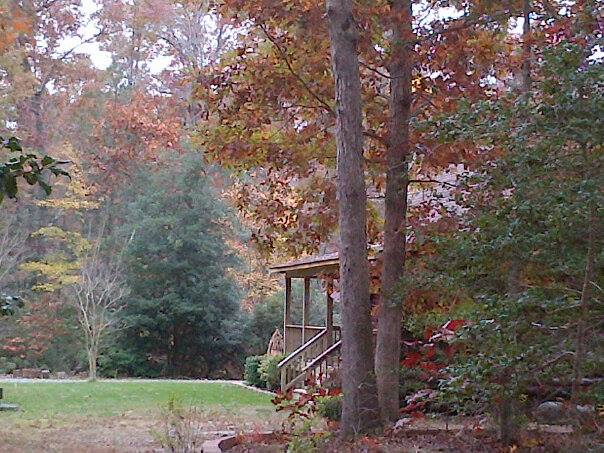





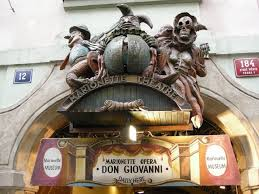
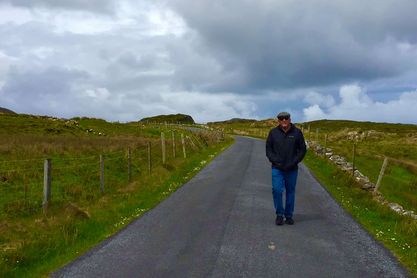
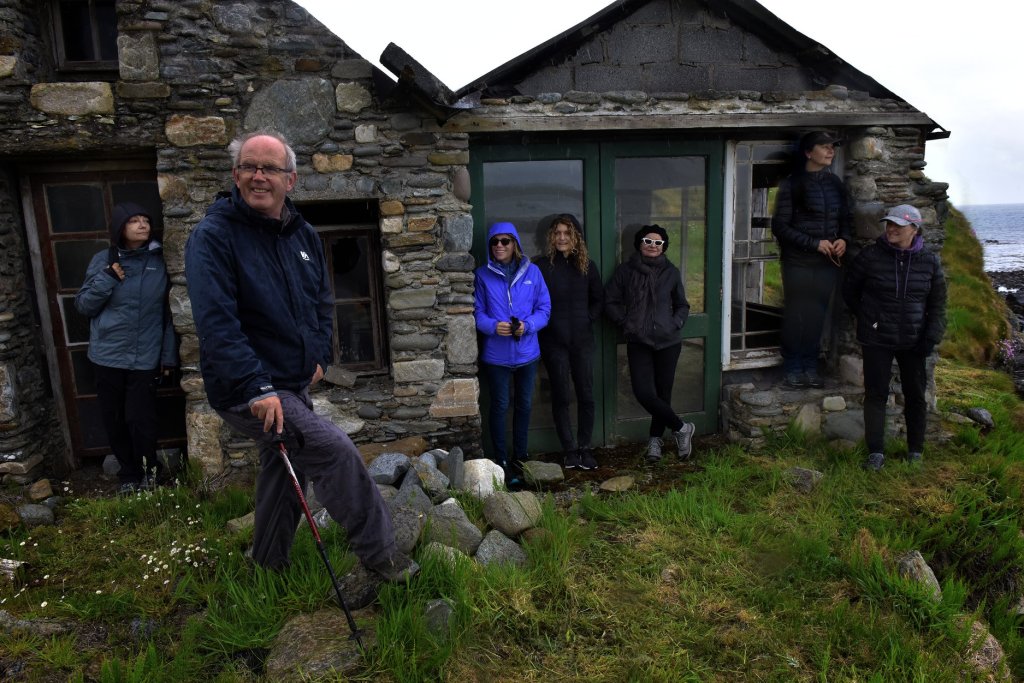

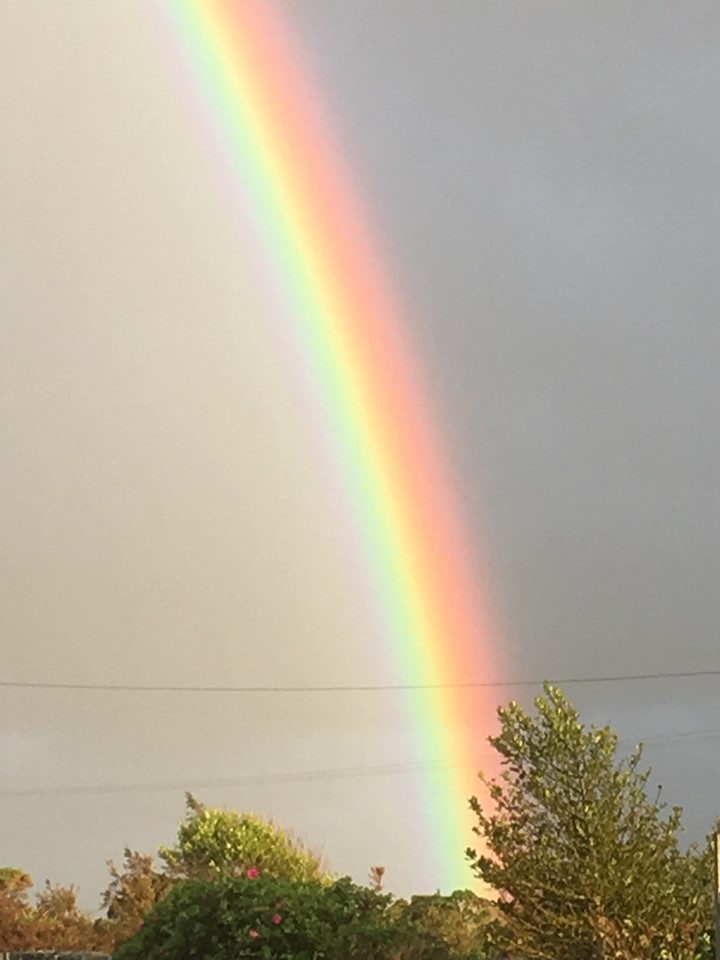
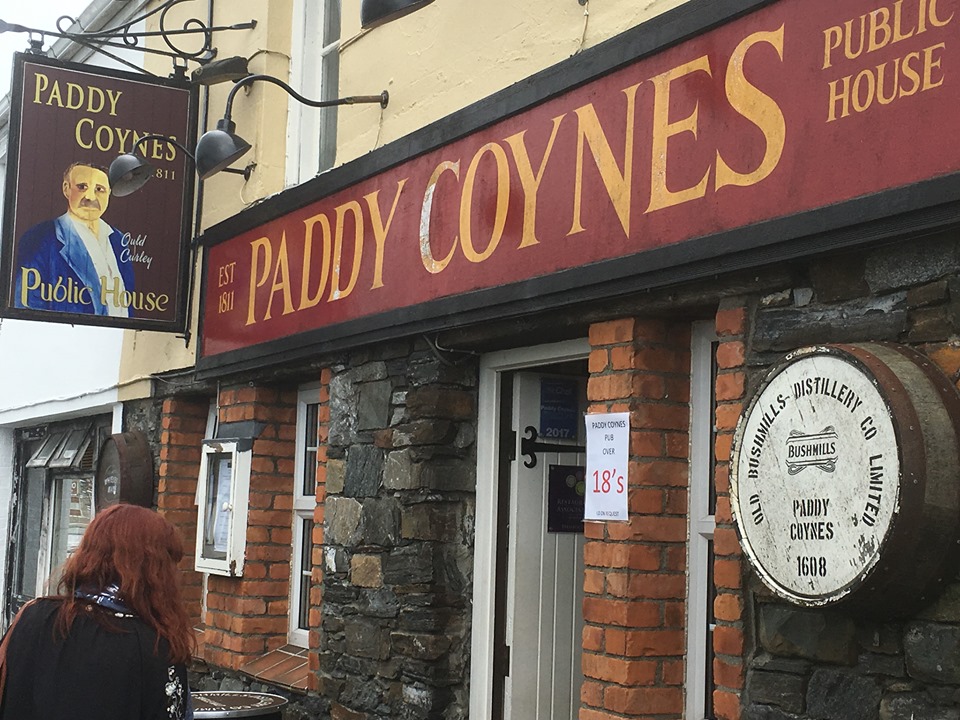


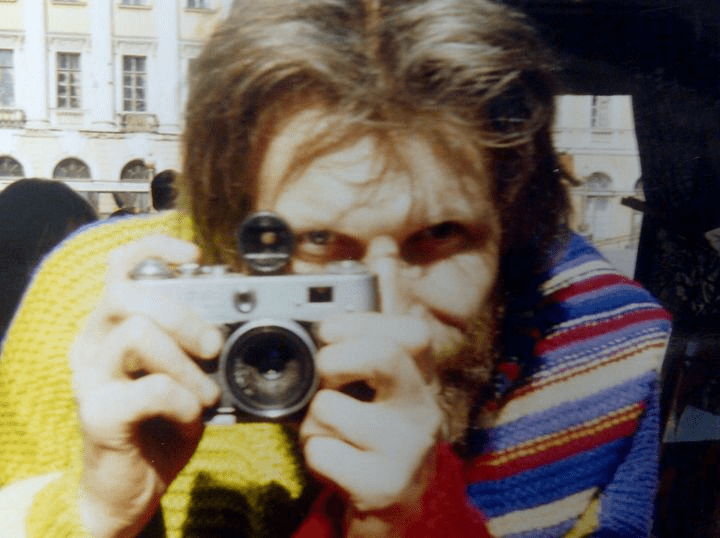

 a view from this wilderness