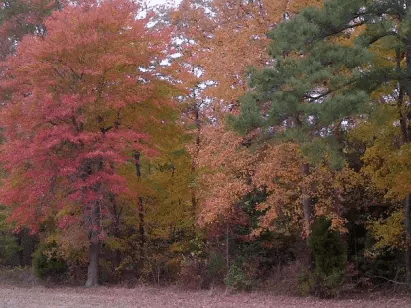
I Barely Remember When

Fall has arrived and the breezes this weekend cleared away most of what was left of summer. Last week at home I walked along the river like I always do this time of year when the water laps at my feet, it is warmer than the air, inviting, deceiving, teasing me into thinking summer will push back on autumn and maybe even win out. I don’t mind the change so much; I’m not bothered by the passing of time as much as how I spend the passing of time.

The leaves are just beginning to change here, and my drive in a few weeks to West Virginia will bring me through every stage of autumn. Sometimes you can see all the changes happen in one day. Crazy. Well, the truth is, some things need to change. Even with resistance, sometimes it is the only way to make room for new growth.

For me even the seasonal change from summer to fall is often troublesome. Again, I don’t mind fall—my days in western New York and Massachusetts are most memorable for this time of year. And obviously I know it is going to happen. I watch the weather, I mark the calendar, I see the leaves letting go. But still it always takes me by surprise. I wake up one day and I need to wear more clothes, or I no longer feel the sun so strong on my shoulders, and I am saddened. The Seasonal Affective Disorder which strikes some of us in February can also have its way in October, though usually not as bad.

This year is different; I’m both tired of change and in desperate need of some right now.

In kindergarten I liked a little red-haired girl, Kathleen.

Stay with me here.

Just like Charlie Brown I was afraid to approach her. At the same time I was thrilled I met someone I would get to grow up with. We were in the same class until third grade when at the end of the school year my family moved much further out on the Island. Instead of saying goodbye to her I made a card that said, “I love you” and threw it at her in the hallway. I think she got it. Now I wish I had just handed it to her politely and said I was sorry I was moving. I never saw her again. I probably didn’t handle that relationship well. The change, however, the move east to what would become where I would forever call “where I am from,” was unexpectedly pleasant despite my resistance at first. The same thing happened when I was fourteen and moved to Virginia Beach, four hundred miles south. I absolutely and definitively did not want to go; I’m so glad we did.

During each major change in life, though, I consistently ignored the advice of my older siblings or from examples set down on television or in school. I simply preferred to assess a situation and have at it on my own terms, even if it meant complete and utter disaster. I was slow to learn as a result, but I gained that small bit of confidence we used to earn out on our own, trying and failing, fantasizing and acting and pretending. You simply never know when those youthful lessons will return to come in handy, see us through an unexpected left-turn, help us through the changes. And it seems these days everything is changing, doesn’t it? It’s as if people in positions of power are scanning the horizon to see what they can disrupt next. Even friends are acting strange, distant, and when the very essence of what we can count on is no longer predictable, we must either adapt or run away. I’m running away.

I thought about those years, my early youth in on Long Island, and how innocent it all was; how we flipped baseball cards and played stickball. We had block parties where the block would be closed to traffic and we all put picnic tables and grills out and walked up and down the street talking to everyone else and sharing food, and riding bikes, and the adults had drinks and the kids had fun. Television went off the air at night, just a fuzzy white noise until the early morning when a black and white flag waved across the screen and some dude said, “We now begin our broadcast day” after the National Anthem.

This was the age of my youth. It was innocent and tech-free and filled with hippies and protests and flag-burning and marches and sit-ins and rumbles. The laughable Mets became the champs and we walked on the moon. On the moon, for God’s sake. How can you possibly not understand why at the core of my generation is some semblance of hope, still simmering. Hope is what got us through; the hope of humanity, the hope of leaders, the hope of lovers and friends. We were not a generation of followers staring at our hands; not by any stretch of the imagination. So when the times were a ‘changing, we changed—or we were the ones causing the change to begin with. And as we grew older, those organic traits became part of our DNA.
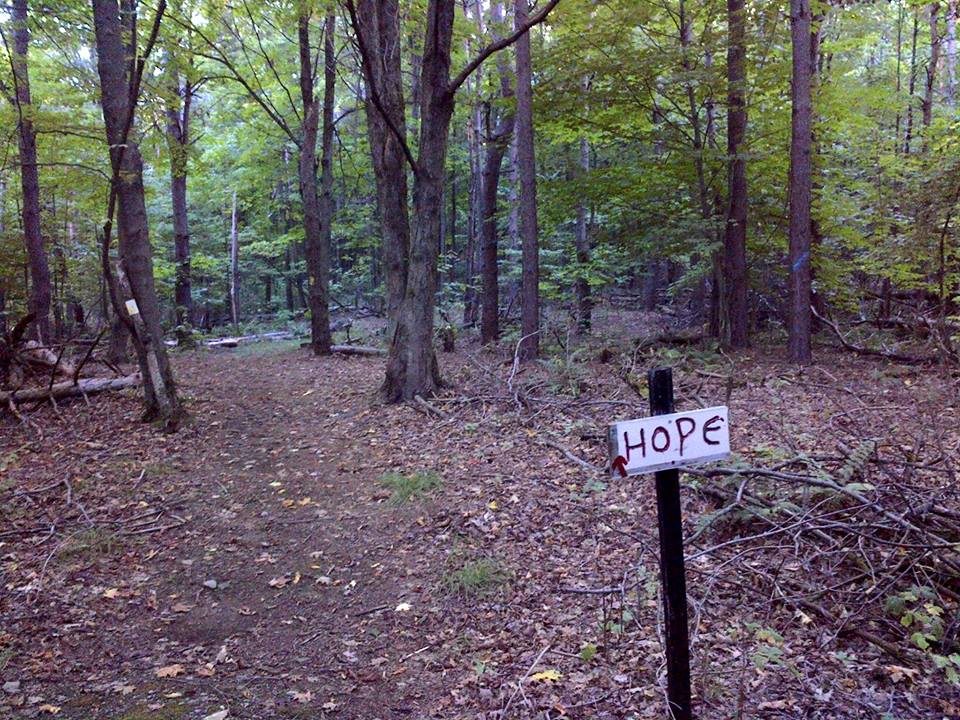
But hope in everything is fragile now. And the falling leaves are no help; not for me anyway.

It almost seems ridiculous and it is certainly ironic that the best way for me to handle these unexpected and troublesome changes is to, in fact, change. So be it. “To change is to be new. To be new is to be young again.”

“If you do not change direction, you may end up where you are going.”

–Lao Tzu

We now begin our broadcast day.

Sundays

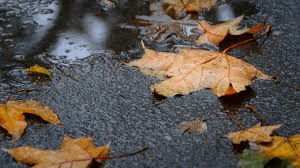
A steady rain is falling along the Chesapeake today, and the sky is grey all the way upriver to the west. The clouds are low, and late-November leaves lay like wet carpet throughout the paths here at Aerie. It is cold.

I startled a heron earlier; she was hunkered down in the reeds on the edge of the marsh so that neither of us knew the other was there until the last minute, and she let out the familiar low honk as she lifted into the trees on the far side of the water and settled onto a high branch, then she immediately pulled her head down low into her body, and it was raining harder so she turned to face behind her, toward the woods, away from the wind.

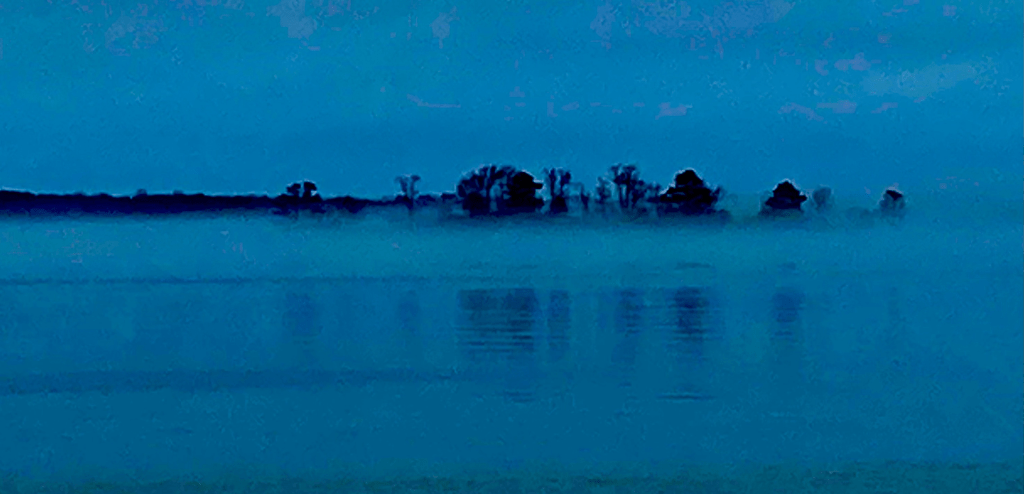
The only sounds this afternoon are the rain on the water, a slight wind in the few remaining leaves, and some fishing boat through the low fog at the mouth of the river. It feels like November out. It feels like a Sunday.

When I was young I lived in a yellow house on a reservoir in central Massachusetts. This time of year I would sit at my kitchen table and look through a wall-size window across the grass and past the road to the water, and the leaves would have long been gone, and it would rain like this, or snow so that even the roof of the Old Stone Church out on Wachusett was visibly wet. I worked on a manuscript about Vincent van Gogh back then, and the late fall, early winter mood fit the subject. Days like today I desperately miss my small place, the chill coming down from the mountain reminding me of colder months ahead.

It’s lonelier here than it was there, but I don’t know why. Maybe it was more hopeful back then, and hope can certainly chase off loneliness, almost always. At least there it could. Sometimes I’d walk around to the near shore of the reservoir in the first snowfall and watch the Canada geese move by, or the occasional car come up the road from West Boylston, headed perhaps to the cider mill in Sterling, or further to the summit at Mt. Wachusett. Or sometimes I’d wander across the street to the Deacon Bench Antique Shop and talk to the workers, and someone would have brought in a dozen Country Donuts from down in town.

Up in Princeton on days like this I’d stop at a small, white shed-size store, a deli of sorts, and buy hard rolls and the Boston Globe, and I’d return to my small living room, also with a window looking out across the grass to the reservoir, and I’d read the paper, spreading it out on the plaid couch, on the wooden coffee table. I’d have already put a chicken with spices and cut up red potatoes in the oven, and it felt permanent, as if it was all designed just for me.

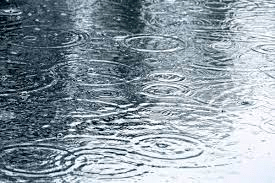
The Chesapeake is choppy today, and to the west the deep grey clouds announce some inevitable harder rain and cooler temperatures. I thought about heading down to the raw bar in the village to watch a game but opted to spend a little time here at my desk. I have a box of pictures behind me, and I thought it would be the right kind of day to go through them, get rid of the redundant ones, put some of my favorites in the albums still with empty sleeves. I might not pull it off the shelf again, but I will today since it is raining, and it’s good to remember other times like this when there was something more than weather in the way the raindrops hit the surface of Wachusett. Something more melodic than today’s rainfall, which seems to simply drown itself in the river.

Instead, I stood at the water for a while and watched the current, noted the incoming tide, felt the cold rain on my face which rather than dampen my mood seemed to massage my melancholy back into something akin to anticipation, to expectation.

Am I wrong to think Sundays have always been like this is some way? It’s as if the colder months were designed for Sunday afternoons, the sound of rustling leaves, a chill on the back of the neck, the familiar call of some announcer analyzing the passing game, commenting on some player’s career.

And there will be an instant replay so that we can experience it a few more times before moving on, noting what worked, what didn’t, anticipating the fourth quarter with just a small stabbing of regret for some of the plays we will never run again.

Aerie: noun: 1. A Hawk or Eagle’s Nest. 2. Bob’s Home.

It’s colder today, and a strong wind blows out of the northeast, off the water, and the last of the leaves are letting go. It’s desperately Autumn here along the Bay. Yesterday the colors were brilliant, at their “peak,” and today they are muted. Tomorrow the leaves will mostly have fallen. I walked the paths just now here at Aerie, and the skin on my face feels tighter, the back of my neck is cold.

The sound of dry leaves and the wind is immediate. The clouds are low and dark—steel blue—layered deep clear past the horizon, as if they’re keeping out the rest of the world. They threaten, of course, but somehow they protect as well. It only took a few turns around the property and a meander past the duck pond and river to let go of the world for a while. Genocide cannot find me here; bombings will not find me here. Invasions and deficits and brashness and ridicule cannot locate me when I’m here at Aerie, and the sky is low like this, and the only sounds are the leaves in the wind and the water pushing back on the rocks, and the geese over the recently harvested fields.  

I left home far more than I should have. It was always interesting and exciting to come home after a month somewhere else and see how so much had changed; leaves either completely fallen or fully alive. I am glad for the places I’ve been and the people I’ve grown close to in my travels. But in retrospect it seems I was mostly out there looking for something allusive, some semblance of peace, perhaps. And today walking up the hill from the river I realized it might be the kind of peace I find here at Aerie. I almost find it here in Spring, working in the garden, osprey calling above while teaching their young to fly; and in Summer when we scull out on the Rappahannock, up the inlets to the west, stopping for oysters at a small grill near the bridge. In Winter, when deer and fox come closer to the house looking for food, finding apples, and I can sit on the steps for hours teasing one fox closer, and then closer still, and she eats a few slices before taking a large core in her mouth to bring back to her den to share with her young.

But it is Fall, of course, when I come closest, and the smell of leaves is deep, and white oak burns in the fireplace, and we heat up apple cider and I can sit on the patio at night for hours, bundled against November, working on something in my mind, remembering the reach from some other time.

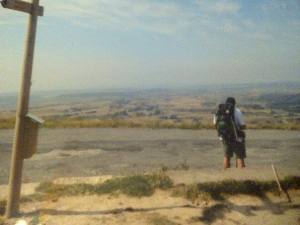
Last week I walked to the river and a bald eagle stood in the field to the east where corn had been just a few weeks ago. It never fails that every time the eagles return this time of year, I remember a song by one of the primary influences in my life for my love of nature–John Denver. He wrote, “I know he’d be a poorer man if he never saw and eagle fly.” I always knew it to be true; I just never dreamed it would happen from my front porch. I have hiked in the Rockies, and I’d hike there every day if I could. And I’ve walked across the Pyrenees, through the Berkshires, along the Camino de Santiago where I must return to truly unearth that peace. Yet here where the Rappahannock meets the Chesapeake is where all my songlines converge.

It’s colder today, and grey. The paths are covered in leaves, as they should be this time of year, and my son is baking biscuits and heating up apple cider downstairs. I have some serious metaphorical hills still to climb, but today, outside, I can hear squirrels arguing, and the driveway is covered in acorns. A close friend of mine pointed out recently that to him Autumn is hope, it is life tucked away for awhile giving us a chance to start over in a few months. He’s right, of course, but I wish I could slow the whole thing down. I don’t want things to change so fast anymore. I like the sound of the leaves as I walk the paths, the colors as I lay in my hammock and watch them fall. I find peace in the carpet of stars at night, out early enough in these winter months for me to spend hours looking up, wondering. My anxiety settles down when I sit on the patio at night and hear rustling in the woods as the fox comes to call. I have lost so much faith in humanity it is difficult to write about. I need a breath; I need to be restored. It seems that despite our potential to banish the evil in the world, we continue to falter. But here at Aerie on the eastern edge of Virginia’s Middle Peninsula, something eternal is happening even as life let’s go and settles softy around me, marking time like decades.

Au(tumn)

I’m home and the leaves changed and mostly fell while I was away the past week. I love traveling in the autumn, especially in the north, this time western Maryland, Ohio, West Virginia, and the mountains of Virginia. Such colors I’ve rarely seen anywhere else, like a painter’s palette, like a quilt. Like fall.

“I lived in a yellow house, like butter,” Van Gogh wrote of his place in Arles where he did his boldest work, filled with colors and tube paints pushed onto the canvas like toothpaste. When we speak today of his work, it is from Arles we mostly mean.

I, too, lived in a yellow house, like butter, along a country road running past a reservoir in central Massachusetts. Next door was a tall, white church with a cemetery, and the road wound up through the small village, past the Deacon’s Bench Antique Store, past the nursing home, up into Sterling and past the cider mill. It ran up the mountain, winding into the village of Princeton on Mt. Wachusett, where in autumn I’d hike to the summit and look across the New England tapestry of orange and rust, stretching clear to Boston, to New Hampshire, and west toward the Quabbin Reservoir. The crisp air, like yesterday in West Virginia, cleared my head, pushing away fears and anxiety. “It’ll be fine,” it whispered. Well, it won’t, I thought, but for now it is, and sometimes that’s enough.

I wonder if I’m starting to enjoy autumn more now than summer because I’m getting older.

The trail behind the house is covered beautifully in leaves that no step, yet, has trodden black, though signs of deer are evident. They bed down in a holly grove at the far end of the property and walk down toward the patio where the deep, heavy birdbath is apparently now theirs. The front path remains mostly clear as it runs in such a way and is wide enough for a soft northern breeze to keep the leaves to the side. But not always, and certainly not after a good, steady October rain like last week before I left. There’s something so immediate about autumn.

It is the time of year my father died. I read somewhere that other than the holidays, autumn is the most common time of year for elderly deaths. Younger people die more in Summer, which makes sense for the numbers out doing things they probably shouldn’t be, and January through March has the highest rates of suicide.

It’s odd how so many people come to life in autumn when nature is slipping away for a while, ducking behind the guise of death, returning half a year later, slowly. For now, it is beautiful, and the colors reflect in the duck pond and out on the river. They shine back at the hills I walked around a few days ago, and they remind me that for now, just for now, we’re all noticing the same beauty. It’s incredible that people throughout the autumn world all marvel and gaze at the ripple of color coming down the tree line, the scatterings of hues under oaks and maples and birches, and how the white trunks stand forth as the control group so we can see just how fine a job nature did.

I used to get depressed in autumn, feeling the summer slip away, the time of life and the sun on my back. It always, absolutely always, brought me to life, so I pushed the fall off as much as I could, perhaps anticipating what happens after the fall, in the dead of winter when hope is often difficult to unearth. But now I find in autumn something reassuring. Maybe it is simply that even growing old and letting go can be done with absolute beauty and grace.

At the end of The Lion in Winter, Geoffrey wonders what difference it makes how a man falls, and Richard remarks, “When the fall is all that’s left, it matters a great deal.”

Nature knows how to make an exit. She knows how to hold her own. I suppose her last green is gold as well as her first. I am surprised I have been so resistant to change. Maybe I’m getting tired.

Or maybe I just miss my yellow house near the Old Stone Church on the road to Wachusett.

“The Old Stone Church” where I walked nearly every day for three years. My Yellow House is just off to the left of the picture. No, I didn’t take this shot.

Passing through Nature to Eternity

there’s a house in there, swallowed by the growth

It’s raining, and the air is cooler than it has been, which brings with it, for me anyway, a soft undercurrent of sadness. You see, I love summer. I love the heat and the stillness of it, the hot sun on my face and shoulders, the sand under my feet, the water—oh the water. So when I wear long sleeves or shoes with socks, or when the water can no longer be waded into for no reason at all other than slant of earth and distance to the sun, I get melancholic (as if listening to Jackson Browne right now might not already be responsible). And today was like that, but more so because of the rain.

This week’s work involves adding random details from my younger years to a one-hundred-and-eighty-page manuscript to set a sharper tone to a time that was above description, beyond anything that could be limited by diction. This editing stage sends me back to a place I would, both at once, relive again in a heartbeat and never want to think about in my lifetime. But it was so long ago I have trouble remembering some details and I get lost in the weeds of long ago. So to clear my head, I went for a walk to keep myself present, keep my mind on the here and now. Rain can certainly do that. This can be a Herculean task at times—keeping things clear. More so for me when the air is cooler, and the sun is not so hot anymore. It made me realize how much simply fades from our lives if we stop paying attention to it.

Writers have various ways of dealing with ghosts. Some watch Pirates games, some watch movies. Some drink and some play with their dogs in open fields. I walk.  

Down the road is a track of wooded land with an old colonial house. At one time, even since I built here twenty-seven years ago, the house was completely visible and well admired. It sits recessed on the front edge of beautiful, forested land with hardwoods, which this time of year are starting to show their colors. The house is white with a wrap around porch, hedges, and a front lawn more akin to a rolling, green field where deer gathered every day at dawn and dusk to sip the dew. I loved walking by and think about sitting on the porch, drinking tea on a day like this, watching deer and listening to something gentle, like piano music, while rain kept meter on the porch roof.

You can no longer see the house. The front lawn has grown deep in weeds and small trees after just a half dozen years of no one caring for it. Nature has reclaimed the entire property, and the house, if you walk up the no-longer-navigable driveway far enough, is covered in vines and mildew. Several porch slats are caved in, and while the windows remain in tack, portions of the siding are simply gone. I don’t know who owns the place, but the man who rented it and lived there with his dog has gone back to Richmond an hour from here and, presumably, has no connection to or obligation for the place. For all I know the owner is dead. That happened elsewhere nearby. One house not far from here has been so reclaimed by nature it is absolutely impossible to tell there is a structure there except for a slight glimpse on a sunny day of a car bumper and an old boat appropriately named “Prozac.”

It happens sometimes when there is a lack of heirs in a community where restrictions are limited and property size is usually somewhat sweeping. The once lived-in and celebrated home is a house being swallowed by the earth, as all eventually will be. It makes me wonder if Mars at one time had a suburbia which a billion years of burning sun and negative-Kelvin ice storms vaporized into nothingness. That’s what crosses my mind when someone doesn’t mow their lawn very often.

There was a time, though, when someone oversaw the construction of the beautiful place, measured twice and cut once, new owners backing up a moving van and carefully designing the rooms, children running up the steps to their bedrooms, leaning against the window on days like this to watch the deer out front. The place might have filled with the aroma of turkey in the fall, soft sounds of football from the television in the den in the back, with the double doors that looked out over the marsh to the east. Geese frequent the area, and from the porch the kids would have sat in the chairs when relatives visited and watched the birds land in the fields across the road.

The kids grow up and leave, for Richmond, for DC, for another place. The parents can’t take care of it as well as themselves, so they move to a smaller place in the village, or in with one of their kids, and the paid-for-house sits alone and silent. Taxes only run a few hundred a year, so they’re easily paid and then forgotten. Then they rent it to a man with a dog, but he leaves too, and the owners die, and the kids let it go, hoping to take care of it someday.

Or maybe they had no kids, like the Prozac house. It just sits there until nature, which always wins in the end, wins.

I wonder if I’d run through that entire scenario if it wasn’t raining. Autumn is proof, I suppose, like old, uninhabited homes, of the passing of time.

Back at Aerie, I sit on the porch, drink tea, listen to a football game, and can smell turkey drifting out from the kitchen. I have some planting to do for the fall—bulbs mostly, but the back trails have gone untended for far too long. I’ll do that, this week probably. The area behind the shed needs to be cleaned up as well, and I need to get an estimate on stripping and restaining the house; I’m way overdue on that. I don’t have the energy I did when I built the place twenty-seven years ago. Then, all winter long I came and helped stack the logs, met sub-contractors while my then three-year-old son sat watching his home rise out of the dirt. While the roofers worked or the electrician figured out how to install wires in a log home, he’d ride on my shoulders as we walked down the hill to the river and we’d talk about what we’d do here–a pool, of course, and a basketball net. We’d play football in the yard, and we’d throw the baseball, of course. Come that early Spring I built the inside; all the interior walls, the cabinets, the stairs, the rest. The rest of life was still a distant curve after a still-to-come lengthy journey, and this place was forever. Come spring, we moved in, and the wood smelled so fresh, plus outside honeysuckle and lilacs.

The leaves are changing colors early this year, and I can feel the fall in the chill of the wind. The bay breeze helps keep it seasonal for now, but the winds will shift soon to the north, shutting down summer completely.

I don’t mind fall; it is beautiful. My time in western New York and especially in central New England spoiled me for how intensely beautiful autumn can be. But summer for me has more hope, still holds just enough promise for everything to work out fine in the end. It is the time when we keep building our lives instead of stepping aside and letting nature run its course.

Does everything eventually bend the way of the once-white colonial? Is even Aerie headed someday to the condition of the Prozac house? We like to think not.

And anyway, for now, I am here, sitting and drinking tea. Tonight the fox will come by the side of the house for apple pieces, and the birds flitter between the crepe myrtles and the porch-rail feeders. Life is everywhere right now, even while summer fades. I can hear the geese headed toward the field.

The rain has eased, and I think I’ll walk again, down past the farm, past the unseen, recaptured house, and to the river, which will hold its own for eras beyond everything else, as waters have done since the start. But then I’ll need to cut the grass. If I have the energy, I’ll also trim the hedges.

“And while the changing colors are a lovely thing to see,

if it were mine to make a change I think I’d let it be.

But I don’t remember hearing anybody asking me.”

–John Denver

Aerie

The Rain

The View from my Office Window

It has been raining steadily since early this morning, and it’s in the mid-fifties today, going toward sixty or more by Tuesday. This reminds me of the rainy days when I was a child and I’d lay on the den floor and watch old black and white westerns all afternoon. I enjoyed seeing the blazing western Sun and the sweat on the cowboys’ foreheads all the while our yard swelled from hours of torrents.

Like today. The leaves are somewhere between summer and winter, with carpets of amber and red running the length of the driveway and all along the Aerie trails. Even the porch, which has remained dry because of no winds today, has scatterings of leaves right up to the log walls and on the furniture. The river is calm, and a slow endless hum of rain on the surface is both peaceful and somewhat melancholy. Sometimes when the riverfront is barren and the mist rises from the storm, I can hear some faint call of kids on innertubes, or the distant grind of a jet ski passing out toward Parrot Island. It reminds me of those beach sounds when I was young, on the Great South Bay or at Point Lookout on the Atlantic, and some music drifts from the blankets of other family’s, and the low murmur of adults talking about some trip to the city while kids yell from the surf break. Those sounds are my life’s soundtrack; they are embedded in me as much as the sound of my own voice. Sometimes some nearby transistor radio would toss over Ralph Kiner’s voice announcing a Mets’ game, and I’d tune into that while laying on my stomach on the blanket.

But today’s connection is the rain and how it sounded on the awning in Massapequa, or how it sounded in the trees of Heckscher when Eddie and I would wander the trails not minding being soaking wet, not minding the ebbing of the days of summer and fall.

That was then.

Now, the rain comes in steady streams then lightens up, then heavy again, but never stopping; not today. Outside my office window here across the driveway is nothing but woods for quite some distance, and if I look out long enough I can usually see deer, even in the rain, and opossum. At night in the flood of the porch light I can see the fox at the edge of the woods nosing her way in wet leaves looking for apple cores I leave out. She will eat a few, then she will mouth a few to bring to her kits. I have never seen her den, but I imagine it is not far and is fairly dry—or at least protected from the weather.

Today I did nothing. Earlier, I caught up on writing classes and finished an article for a deadline and then organized the area around this desk, but once that was done by late morning, I did nothing. Today is the day I decided to undo myself, neatly put my pieces spread out on the floor, clean off each one slowly, clear out the buildup from years of neglect, and then carefully put myself back together. So the rain is good—it is cleansing, it is like some late autumn baptism.

Once classes are done and the leaves have fallen and the cold air comes on, undoubtably taking me by surprise again, I will clear the leaves off the driveway, clear the paths by raking the leaves into the woods, and get the firewood ready for winter. The house is well-heated, but I like fires in the stone fireplace. It feels safe, though I’m not sure why since I never really feel threatened by anything. Still, there seems to be a difference between not feeling any threat and feeling “safe.” I know at least one person knows exactly what I mean.

In 1981 or ’82, a friend of mine and I took a van to Rochester from college to pick up a piano he bought for his campus apartment. He worked for the university. On the way home we stopped at Letchworth State Park and hiked for a while, then we stood next to the stone wall which overlooks some waterfalls. It was autumn, and the leaves were at their peak. It was like standing in a state of Grace; it was like stopping time and all civilization could breathe better. We talked about music and other normal early-twenty-year-old conversations, and then after some time of quiet, he said, “You ever think about how every year we pass the exact moment we will die?” I stared at him a minute and said, well, to be honest, no—it never crossed my mind—until then. He laughed and added, “I don’t mean that in a morbid way, but if someone died on November 10th at 11:12 am, then every year before his death he passed that tragic moment not knowing its significance.”

I made some jokes about morbidity and how he managed to bring down what had been a really good moment, and we laughed for a long time. We even sat in the back of the van and played the piano and sang while a few other tourists stood by and listened. It was a good day. Before we drove off, he said, “I guess it’s just that sometimes I wonder how many autumns I have left. Probably a lot, sixty or so maybe. But who knows.”

That was exactly forty years ago, and I’m glad to say he is still with us, though we lost touch a long time ago. But we’re both in our sixties now, and we are closer to 100 years old than we are that afternoon. So there aren’t a lot of fall days left to enjoy this suspension of seasons; this literal “change” of nature.

And so I too have decided to change. I need—must—let the old ways slip off and fall away and gather at my feet before I continue this pilgrimage. No doubt it has been beautiful—in the big picture I have had one hell of a string of seasons in my life. But it seems like a fine time to go dormant and get back in touch with my roots a bit, understand again where I was going to begin with.

The rain stopped about two paragraphs ago. It is dark grey still, and the moment of what would have been a sunset if not for the grey skies has passed, so it is getting dark. I’ll put the porch lights on soon and look for the fox, most certainly I’ll see some opossum. I’ll sit on the porch a while and have some tea and for a little while I’ll notice how beautiful the fallen leaves are having served their purpose, having made way for the new leaves to come.