Stopping by the River on an Icy Morning

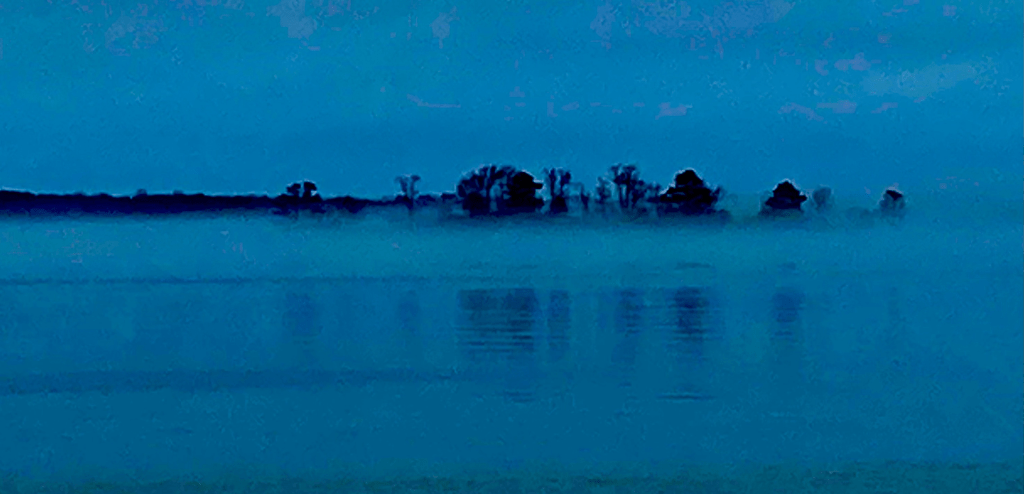
The tide is lower than I’ve seen in some time, mud flats running into the river easily one hundred feet or more. Fiddler crabs scurry about and seagulls land to grab them in the same place they normally would dive from on high into water three or four feet deep. This ebb is unusual.

Where the water does lap at the mud, foam formed from the icy cold winds, with temps in the upper twenties and lower thirties early this morning, and the winds pushing down from the northwest drop those another eight degrees or so. It is cold, and damp, so I feel it in my bones.

I like this. I mean, no, not all the time. But every so often I need some visceral reminder that I am alive now, not tomorrow when I have a laundry list of things to do or yesterday when some punk in my college comp class complained because I didn’t pass his plagiarized paper. Now, I am aware of the cold, the mudflats and panicked crabs, and my skin is tight, my eyes water from the wind, and my breath is frozen. It cleanses my entire world. I move about, which gets my blood flowing, and that not only warms me but awakens my senses even more. My mind, too, is clear, as if the winds and the cold blew off the soot that settled all semester.

Then the obligations seem fleeting, the problems which yesterday boiled my blood from the sheer weight of such minute interruptions, are cooled and dismissed by the ripple of foam running down the beach to Locklies Creek near Rappahannock River Oysters.

Here’s what is important, that I am still here. Alive, but more so, aware that I am alive, here, along this river today, and the cold pulls tight the skin on my face.

I thought of Richard Bach this morning and his work Illusions, in which the protagonist says almost as an aside, “Here’s a test to see if your mission on this earth is complete: If you’re alive, it isn’t.”

Hard to know sometimes, though, what that mission might be, isn’t it? You’d think by my age it would not only be second nature, but nearly complete, but I’m just waking up to the fact I should probably do something with my life. To do that I’m going to have to suppress the cold reality that I’m not young.

Except today, when what could have been some stagnant morning happened to turn kinetic because of the cold. My energy returned like a flood tide, and I stood on the sand wondering how to channel it. I think we do that sometimes; we have ambition, energy, even a wave of hope, but we simply don’t know what to do with it.

And for the first time in a long time, I understood my immediate response:

Nothing. Do nothing.

See the day, walk along the river and watch the eagles find food, and the lingering osprey who has not yet left for points south, dive for his meal. The most essential elements for life go ignored, or worse, aren’t even considered, for our need to be “productive.” But is it any less productive to walk on a leaf-covered path and watch cardinals move from holly tree to the ground and back? Is it any less productive to look east across the bay or the Atlantic and contemplate the waves, their calm and their power, as they approach and recede?

It is the same in summer for me, the blazing heat on my neck and face insist I remain present, the sweat on my forehead somehow similar to the tears from the cold wind, catch me and hold me tight in the moment, and I welcome it because at some point it will no longer be, or, better said, I will no longer be.

But not today. Today a dozen geese came in low across the duck pond and settled on the river just to the west, their honking subsiding, their journey paused for now. It doesn’t end exactly, not yet, but they take a moment and rest before they need to continue their flight.

And maybe they discover their purpose is in these moments, aware of the peace around them when they’re not rushing from one place to another, leading a flock or following the same. For geese, it is when they land and rest that it is impossible to tell who was in charge and who fell behind.

I came home, eventually, made some tea, organized my thoughts, responded to a few inquiries, but I did so with added calm I didn’t have before. I have a sense of peace now, of some sort of presence I can’t quite define, which is good, since I still have more than a little to do in front of me.

Yes, much more to do still in front of me.

Thankful 4

I am not yet among the dead of this world, scattered ashes or sunken corpse. Not yet discussed in past tense, not yet absolved at last rites.

I am still conscious of the leaves on the red maple, hanging on, like me, trying to express brilliance before the fall.

I wake up in soft, fresh cotton sheets and see the trees through the skylight turning toward the sun, and a bird scatters to the porch rail, just like she promised she would.

I can call my mother and say hello, talk to my siblings, laugh with people I have loved since I was nineteen, since I was twenty-five, grateful to have closed those gaps in our lives when we lost track of each other. Grateful to know what it’s like to be quiet and know peace. I can climb hills with my son, stop for lunch and talk about what is beautiful, talk about what is next.

For the peace that can only be found in life, that stillness of the soul that keeps us present. Yes, for that peace and stillness and presence, which one must be conscious of to understand.

For consciousness.  

For the fox at the edge of the woods waiting for apple slices.

The veteran who stopped to see if I was okay.

The homeless man in Norfolk last week who let me help, which reminded me I could; his gift to me.

For having had the type of relationships—so close, so intimate and alive—so that when those souls died, my sadness which is alive still simply reminds me I have known such love, even briefly.

For the way the river still keeps tabs on my moods, washes clean the extremes which constrict my hopes, tugs me back to the Island, or off across the equator to distant mountains on the moon and then washes me ashore here on the edge of what’s next, giving me the strength to fight the tigers that come at night.

Thankful is a shallow word. There must be something better to express our gratitude for being alive, now, with the aroma of leaves, the chill at night pulling the skin taut on my face, the stars stretched out like compassion through the universe. Thankful is not enough.

To still be able to string together a battalion of words which might make someone cry when I remind them of a loved one or make someone laugh when they recall a moment they once knew but thought they had long ago forgotten.

For forgiveness.

For compassion.

For the way I feel when I reach for the phone to call someone who left this world before me, and my heart sinks, and my stomach drops, and I remember, and I put the phone down. For remembering that is another way you can measure love; you remember how you almost called anyway but then didn’t.  

Thankful for the ones who see my mistakes and don’t give up on me.

For the soft touch of another soul who understands.

For understanding.

The History Conspiracy

The Cup of Blood, a Gift from a Colleague in St Petersburg, Russia

I own a porcelain cup made in Russia in 1896. It is about four inches tall, white porcelain interior with blue and red markings. On the side is the seal of Czar Nicholas II and Alexandra, and “1896,” the date of his coronation. A friend of mine in St. Petersburg gave it to me. The “coronation cups” were made for the occasion to be filled with beer and passed out to the masses of people outside the Kremlin walls so the peasants could celebrate along with the aristocracy. The military training field where half a million people gathered for the souvenirs of cups and various food and clothing items was already a dangerous place to walk for all the trenches and mud pits. But things quickly went south when a rumor spread that each cup had gold in it and there were not nearly enough of them to go around. The stampede left over 1700 people trampled to death. The cup became known as the “cup of sorrow,” so called by Alexandra herself, but it is more often referred to as the “cup of blood,” and the tragedy seemed a bad sign for things to come during the reign of the last Czar. I own one of only five hundred or so made.

As the Raiders of the Lost Arc character, French archeologist Renee Belloch, notes, “We are simply passing through history; this is history.” When I hold the cup in my hands and turn it over I wonder which guard, swarmed by people, handed it out, which peasant held it in her hands. I turn it over and realize the likelihood it was stepped on in the mud, or smuggled away quickly by some young worker who managed to escape the tragedy. It is one thing to listen to a history lecture about the event, and something else entirely to go to the Kremlin and hear the tour guide explain the events as you look out over the parking lots and office buildings on the once barren land, and imagine the droves of Russians pushing for the gates, their comrades crushed just for the cup, this cup.

I am not a history buff by any means, though I have toured many historical sites around the world. My own sister earned a doctorate in history from Notre Dame. Her husband, too, received his Ph.D. from there and is a leading historian at Temple University, author of countless award-winning works about military history, and it isn’t unusual to see his familiar face pop up on the history channel as commentator. Even my father knew so much about history he could have taught it in college, and in school he won a history award.

Me, not so much.

But I am a hands on guy fascinated by items that survived time and war and neglect. I need an object, a talisman of sorts, to bring history to life. When I hold the cup, my mind wonders what they were talking about before the stampede, what music were they listening to, was it an exciting time or, because of the conflicts already underway throughout the empire, was it subdued and the cup distribution simply a brief diversion. Who made the cups? For me, owning one is a way to reach through a rabbit hole and pull out some 19th century reality. Though I suppose it might also be considered moronic to have it in my possession and I should probably sell the damn thing on Ebay.

The irony is I have made so many trips to Russia for the purpose of experiencing culture that I became heavily steeped in history by virtue of immersion. Russians are deeply rooted in their tragic and beautiful past. In Prague it is the same. There, I stay in a building built almost 700 years ago and dine in former bomb shelters as well as a wine cellar used by Charles the IV in the 1300’s. I have no interest in reading about those times. I like to be in the present, walk the same hallways with someone like my brother-in-law to tell me what happened while I half listen and half focus on the immaculate trajectory of time, like an arrow, like a beam of light, like a falling star. Time remains relentless, and I like to hold the cup in Russia or lean against The Hunger Wall in Prague, or sit in a pew in a Spanish chapel prayed in by Charlemagne and contemplate the immediate reality that we are on the same line, standing between them and what’s next, isolating this moment. I am nobody, to be sure, but I am here, part of the conspiracy to keep those ages alive. Time can be like a relay that way. Observers grab the events of the past and pass them along to whoever’s next, and on. But while my sister and her husband are direct descendants of Herodotus, I like to consider myself the descendant of the barkeep who served up some honey mead for the evening gatherers who stood around and told stories and tried to pick up eunuchs.

History would be well served to have a bartender’s version as well as a scholar’s. We could bypass the normal reference material like dates and plans and titles and influences, and keep track of what they really thought, their insecurities, their ambitions. Who wouldn’t want to pour another hekteus of wine and listen to Aristotle rattle on about which Sophocles play bored him to death and which sent him reeling to his corner table after intermission to contemplate the center of the universe? What tender stood by with the bottle of chianti that got Galileo hammered, relegating him to the courtyard at three am on his drunk ass with a dizzy head, and as he lay on his back he looked up at the stars and thought, “Whoa, hang on here.”

I think I’ll let the others write history. Instead, I’m heading to this small oyster shack I know and have a dozen Old Salts and sit in the same place oystermen sat while Teddy Roosevelt was pounding up San Juan Hill, and I’ll talk to some fisherman about changes in the tides, and how some Bay islands used to be so much larger, before the storm of ’33, and before the one in ’03, and if you paddle out to them at low tide and work your way through the mud, you can still find hundred-year-old hand crafted beams, and abandoned hand-made traps. When I was a child on Long Island, we would find arrowheads. The Native American culture on the Island wasn’t solely history lessons in school books; it was lying around in the sand and marshes of the south shore.

If I drink enough at the oyster shack, I might stumble out to the patch of grass on the river and fall on my back and stare up at the stars and think about Galileo and Copernicus and who else lay still in the quiet of night, the faint sound of water lapping the shore nearby, and watched Orion’s belt loosen, or the Pleiades spread out like buck shot. Then I might go back inside and sit a few stools down from the cook sitting alone on the corner stool, and lean toward the tender and ask, “So what’s his story?”

When Power Corrupts, Poetry Cleanses

“If you ask me what I came to do in this world, I, an artist, will answer you: I am here to live out loud.”       –Emile Zola

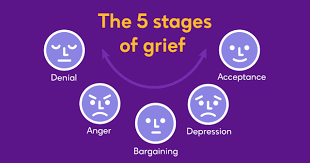
I moved through several stages of grief in the hours and days following Election Day. Denial hung on a while, anger held court the longest, at about three am I woke up bargaining that it all be a dream, at five I woke up depressed, and at six I got up but instead of moving to acceptance, I back-peddled to anger again. Acceptance is a distant, blue ghost waiting in the shadows.

This is an appeal to my colleagues in the art community. There has rarely been a more important time for us to be writers and musicians. Our discouragement at watching this country move backwards into what many in the past few days have called that horrific term “Melting Pot” instead of forward into a multi-cultural society must be met by our abilities to give voice to our frustration.

It has always been the task of the artist to expose inequity, injustice, and fascist tendencies. It was Thomas Paine whose small seditious book Common Sense instilled in the citizens of the colonies the ability to move forward; it was David Walker who called upon his Black brethren to resist; it was Thoreau’s Civil Disobedience; it was Ida Tarbell and Carl Sandburg. It was the writings of John Stuart Mill, and Richard Wright. It was the writings of Woody Guthrie and Bob Dylan.  

It was, it is, the poets.

President John F Kennedy said, “When power leads man toward arrogance, poetry reminds him of his limitations. When power narrows the area of man’s concern, poetry reminds him of the richness and diversity of existence. When power corrupts, poetry cleanses.”

Some have suggested that one voice doesn’t weigh much anymore in a world of a million sound bites. However, other than bad flash mobs, there has never been such a thing as a spontaneous chorus. The artist, despite their isolation, has it in their power to put voice to what others wish to say but cannot, but once they hear it said, sing along with the harmony of their generation. Ginsberg wrote, “Poetry is the outlet for people to say in public what is known in private.” And Robert Frost said, “A poem begins as a lump in the throat, a sense of wrong.”

I can’t swallow.

I can’t do most things that will benefit this country and prevent its further demise, but I can write. I can do that. This is an appeal, then, to the writers and poets and to the musicians and actors and painters to combine our talents with our grief, to blend our anxiety with our refrain, to risk exposing truth.

And what do we say, exactly?

In whatever way we can, with whatever genre we can, that we can do better than this. Simply, that we are better than this.

“We must always take sides. neutrality helps the oppressor, never the victim. Silence encourages the tormentor, never the tormented.” –Elie Wiesel

Rutting Season

I spent time tonight outside watching Saturn slide west, and the half-moon along with an abundance of stars visible along route 33 east on Virginia’s Middle Peninsula. From my vantage just up the side of an embankment three miles from any town, stars filled the ordinarily black sky.

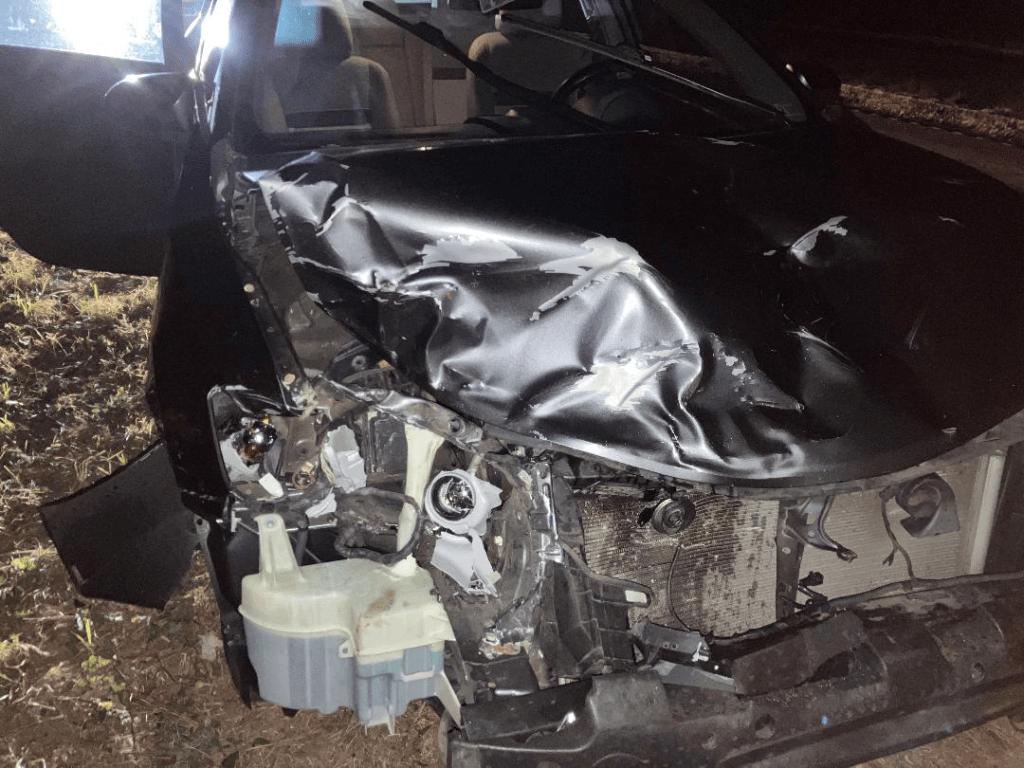
It gave me pause. Jupiter started to reveal itself just about the time the State Trooper showed up to take pictures of my car and the deer, but once he put out the flares and made sure I was okay before he left, I moved right back up that hill and found what is probably a nebulous, and other than talking to three or four kind people who stopped to make sure I was okay and to see if I needed a ride, I spent the night focused on the distant lights.

A deer hit me. I think we need to dispense with the ridiculous notion that we “hit” deer. Sometimes, perhaps, if we are distracted and a deer happens to be minding her own business in the middle of a road. But usually, and this time in particular, we are moving along fine when from the woods on the right a deer hit me, a beautiful tall, strong buck leaped to clear a small ravine between the road and the hill, and landed on the front of the passenger side of the car, crushing it entirely to the ground. I managed to stop on the shoulder but the deer went spinning through the air another twenty feet in front of me. He never twitched. Never looked back up. Dead on contact, both the deer and the Toyota.

But man, those stars. Just this morning on NPR I heard that a good friend of Galileo, Simon Marious, named the moons of Jupiter. I couldn’t see them with the naked eye, nor the rings of Saturn, but our own moon was perfectly visible. When the State Trooper lit the flares I thought I wouldn’t be able to see as well, but it was fine.

I was trying to remember some song from the seventies about the moon when a pick-up pulled up and a man got out. He asked if I needed help and if everything was okay. His license plate noted Disabled Vet so I asked and he had served two tours in Afghanistan. We walked up the road to the deer, still in perfect shape except for being dead, and the vet asked what I was going to do with it.

I’ll be honest. It never crossed my mind to do anything with it other than pull it off the road. I told him since the police already got pictures and filled out the police report for the insurance, he was welcome to the buck. I helped him load it on the bed of his truck and he was so pleased. “This is a ton of fresh meat” he told me. I wished him a Happy Veterans Day and thanked him for his service, and he drove off. I climbed back up the hill to wait for the tow truck. Almost two hours later he arrived. It was a flatbed since my engine is more or less crumbled beneath the new accordion style hood. I climbed in his cab and after he hauled my car onto the truck, we drove off. The car now sits in a field in the front of my property since he was able to make it around the first bend of the driveway.

I’ll deal with the car tomorrow.

Tonight my mind is on stardust and the million tons of meteor dust that fall every day, some of it fell tonight while I waited, almost bridging the distance between me and the cosmos, uniting us, like a deer and the hood of my car but with more grace.

I can have an anxiety problem on occasion. It hit tonight and it might take a few days to subside, but it will dissipate faster because of the stars, and the sky, and the way it never minded what went on. I kept thinking of my mother who in so many videos I’ve made of her, says, “It is what it is.” Trudat Joanie. Damn straight. I actually thought “It is what it is” as I climbed back up the small embankment and watched the sky, fixed on some bright star not far from Ursa Minor. Maybe Vega.

I have been in need of slowing down, of taking my time, being more present. I have been on the go for far too long cruising in the left lane, and lately I’ve been thinking about that, about walking the Camino in the summer of ’26, about just slowing down in everything I do. Then a deer hit me.

The tow truck driver was like Obi Wan, the way he talked with such exactness, with a kind tone. He said he was glad I was okay, and he put his hand on my shoulder when he saw the car and said, “Brother you are not having a great night, but I’m glad we’re here and talking about it.”

Way to slide the worst of this night immediately behind me.

We drove home and he slid the car off the truck bed onto the grass in the field on the front of the property, where it sits right now in the cold instead of down here near the house under the porch lights, warm and comfortable.

After I emptied it of most of the stuff inside, I stood in the field and looked at it, thinking about the myriad trips to western New York and Maryland, to Florida so many times, and to all the state parks my son and I have hiked in the past five years or so, and I sighed, looked up, and found Vega again, lighting my way, walking me back from the car to the house. Before I went inside I heard something in the woods. Deer bed down around here all the time, and when I heard several I knew that’s what was out there behind the shed. More likely a fox, but that just ruins this story, so I’m going with the deer.

I wanted to apologize. I mean, I can replace the car. But that poor deer is now on his way to some Vets freezer.

Breathe In, Breathe Out, Move On

The sun came up today; I guess I shouldn’t be surprised. People out on the highway going to work, rubbing their eyes. The morning flock came calling as kids ran off to school. Autumn leaves kept falling, following nature’s rule.

It seems I forgot. This happens to me a lot.

I need to head back to Boston; I need to be northbound. Feel the chill sweep down from the Berkshires and stop at the cider mill in town. Climb to the summit of Wachusett to watch kettles of hawks fly by; maybe drive up to Ringe, New Hampshire, to the Cathedral in the Pines.

I need to find that peace again. I’m tired of waking up in pieces.

I’ve been to the side of a canyon on New York’s Southern Tier and imagined it some foreign land then swam in the river, ate sundried fish, laughed at the infinite possibilities, threw caution to the wind. I once walked fifteen miles in the heat of the Sonoran Desert after my car broke down—no cell phone, few truckers with CB radios, just walking and dust, and I’d do it again, that silence, the distant hills of Mexico. Drove on over to New Orleans one January in some cold snap, drank wine watching a Dixie Jazz Band on Bourbon Street.

How can I forget that day? Why did I forget that day?

I woke up this morning at four am and grabbed my phone and read the news, turned over, went to sleep. Woke up a few hours later and headed to the bay, bothered by the reality of what comes next, until a gull flew by, and the bay like glass could pass for a blue mirror, sat like it did for watermen for centuries, like it has for those of us who dreamed of sailing away, like I dreamed of doing after reading Robin Lee Graham’s account of his five year journey around the world in the sixties during a decade of war and turmoil, and found peace, and the Great South Bay back then looked just like this today, just this morning after the news and the shock of it all.

No one’s going to slow me down.

“No one’s going to know I’m gone.”

After the last one I went to Florida and watched a manatee make his way north along the gulf shore and I was in the moment, alive, then, as life should be, as it always should be. Like the time a deer walked up to me in the woods of the Southern Tier and ate some bread I had in my hand, nibbled my palm, pushed her head against my chest, while my friend the late Fr Dan watched from a porch, like he sent her himself to come call me in for breakfast. That’s being alive. That’s me aware and present.

I need to ride again that ferry to Nantucket, pull my sweater around my neck, my face damp of saltwater, my heart solidly present and strong. It’s just up there, due north and to the right. Right now.

Life has not paused, will not pause, will not disappoint, cannot be compromised or negotiated with. Not my life anyway. Not for a speck of an insignificant bad decision. Not for this moment nor any implications for the next term. I can be too present to be distracted by yesterday’s or tomorrow’s false suggestions.

Venus is in the western sky before dusk tonight, bright right above the sliver of a moon. And just past there is some kid from the Island who once wanted to travel in space, who settled for Plan B, who measured the reach from Brooklyn to eventual nothingness and discovered there’s too much distance still to cover to not recover from some passing disappointment, some temporal distraction.

“Show don’t tell” said my writer friend Tim in Texas. He was talking about the narrative, but so am I when I thought and then said aloud to myself, “Show, don’t tell,” and thought again about the Netherlands and Connemara, about Boston, about the peace I know on Merton’s Southern Tier and the presence I know here at Aerie.

Yeah, the sun came up today; I shouldn’t be surprised. No one rewrites what I write. No one gets to decide where this narrative is going but me. Not today.  

Acceptance: Part Five of Five

This is Part Five of a Five Part Series here at A View.

The five stages of grief as outlined in Elizabeth Kubler-Ross’ On Death and Dying are Denial, Anger, Bargaining, Depression, and Acceptance.

To wit:

  • Denial: A natural reaction to loss, denial can help people slow down the grieving process and avoid feeling overwhelmed. It can also be a way to try to understand what’s happening.
  • Anger: A common reaction to the frustration of no longer being able to live in denial, anger can feel like an emotional outlet as people adjust to a new reality. It can also provide temporary structure and a connection to the person who died.
  • Bargaining: People may try to change the circumstances that are causing their grief, such as hoping that things will improve if they take certain actions.
  • Depression: A stage of grief
  • Acceptance: A stage of grief where people find control and figure out how to proceed 

PART FIVE:

Acceptance:

The truth is I accepted some deaths nearly immediately. Letty is the best example. We saw it coming eighteen months out and we talked about it often, particularly her take on the post-life expectations. She told me to look for the birds feeding on the porch and she’d be among them. She told me she’s just going to close the door behind her. So by the time July rolled around and she slipped away, acceptance of that new reality was already on the table.

Dave was more difficult having not told a soul about his impending death due to cancer. Richard was a shock but his self-isolation from society for several years prior to falling and dying made his death closer to acceptance than any sort of anger or denial.

They’re all different, and Ms. Ross is clear that the stages weave in and out of our consciousness, rising then receding, and just when acceptance seems at hand, depression might pop back on the scene.

The thing is acceptance is about knowing someone you love is gone and finally learning to accept that your new reality is one without them and learning to live that way. The less involved someone has been in your life, the easier acceptance becomes. Dave and Letty and Fr Dan and Dad maintained an absolute presence in my life, so accepting their absence, particularly since with the exception of my father, the rest all checked out at nearly the same time, has been more difficult. Accepting is a sense of no longer being lost when a particular time of the day might have been occupied by conversation or even texting, a long walk to the Farmer’s Market or a slow walk around the mall. The instinct might remain to wish you could do that again, or at the very least to slip into a funk because you can’t do that again. But acceptance is being able to remember those times, smile, appreciate how lucky you were to have at least had them, and continue.

Caution: Just when that happens, depression might snap back. Just saying. These stages are circular.

In any case, when my father died nine years ago, acceptance was easy because of the conditions of those last few years, but to this day I have trouble sometimes understanding that loss of security, even at my age. There’s something about the loss of your father that says, “You’re on your own, Pal,” even if I was an AARP member when it happened.

What I have found interesting is the larger picture here that I’m trying to frame for myself. Accepting the deaths of the primary people in my life from all stages of my life—Eddie from childhood, Dave and Bobbie and Debbie from high school, Joe and Cole and Dave from college, Richard from a time I was learning to live on my own, and through those years and the rest of my years until recently, Dad, Letty, and Fr. Dan, has caused an unexpected twist: the acceptance of my own death. While it has not become something I welcome, it has become something I don’t worry about, as if everyone else on my team went on ahead and is waiting, but that’s not right either.

Maybe it is just that I accept that the world keeps turning without them, and so must I, maybe even by living more, experiencing more, particularly for those who left too soon. Acceptance for me—and this isn’t for everyone—means that death is more a motivator, like a new teammate; we’re working together here, this unusual macabre mentor whispering in my ear through the absence of my friends and family, “Keep going,” or as Virgil noted, Death “twitches my ear and says, ‘Live. I am coming,’”

Acceptance comes quickly when you hope for someone to no longer suffer, but it soon evaporates and is replaced by those other stages, like soccer players on a pitch replacing each other, taking a break so that the entire Grief Team remains strong. Eventually acceptance will return and dominate until it is our turn to put others through those same stages with our own departure, closing that door behind us.

For me there has been one exception, and those who knew Fr. Dan, and more specifically had a relationship with him like I did, as many have had, my “acceptance” of Fr. Dan’s death was nearly immediate. Of course the suddenness of his death, particularly only a day after we talked and hours before we planned to talk again, allowed Denial to dominate, but with Dan it is different. It has to do with his spiritual presence in all he did, his nearly reincarnation of the life of St. Francis and how Dan discussed saints and holiness as if they were brothers and sisters and he was already in and out of the otherworld, and more often than not it felt like he was heavenly from the start and took some time to visit us on occasion. This is difficult to explain, but he was not of this world anyway, so his departure from it seemed right. Letty wanted to stay, as did Dave and all the others. But Fr. always struck me as someone who couldn’t wait to die despite his absolute love of life and nature and all that exists, not in any depressive, suicidal way, but as if he knew something we didn’t, and we’d just have to see for ourselves.

People over the last six months have not missed the chance to remind me “you don’t get over one’s death or grief, but you learn to live with it, live differently.” Yeah, I know, and I do appreciate the sentiment and concern, but while acceptance is the ultimate goal, denial remains my favorite.

The Yankees lost the World Series

(how’s that for a non-sequitur—hang in there)

and while I’m not a fan having pulled for the Mets during the playoffs, once the Mets were out of it, as a native New Yorker I had to pull for the Boys from the Bronx. I know many Yankee fans, including close friends and a handful of misguided cousins, and I could observe the five stages of grief play out over the course of the last twenty-four hours. Denial, of course, that they could make it that far and lose so swiftly, despite the game they kept for themselves. Anger, of course; I mean they left the bases loaded with one out! Come on! That lead to bargaining of what could have been done differently, followed by the harsh reality you could see on the players faces after the Dodgers won, and, of course like all players of all games, eventual acceptance that this one got away but wait until next year. Having been a Bills fan for decades I’m well used to the routine.

So Liz’s efforts to label the stages of grief allow us to stretch beyond just death and find them applicable to many situations. But at the end of it all is death, which for the rest of us is the beginning of life without someone we loved and still love.

When I go for a walk I think of these people, and sometimes simply by having a wandering mind I end up in some pseudo conversation with them, talking to Letty about the floods in Spain, talking to Dad about his putting, talking to Fr. Dan about how hard it is sometimes to keep going.

And in my head he tilts his head back and smiles that wide smile, lets out a small laugh, and says, “I know Bobby, I know. It’s exciting, isn’t it? To not always know what happens next?”

In these days now when this happens, he walks away just then and I watch him move into my neighbor’s cornfield like James Earl Jones, and I turn to see Letty staring at me, saying, “He’s right Bawb. You need to keep going. Just ask him,” and she points behind me where I see Richard bouncing from foot to foot, saying, “She’s right Bob! Move your tooshie!”

and that thought makes me laugh out loud, until depression settles back in, and just as EKR warns, it gets heavier and heavier, and heavier, until I put it down and spin back into denial, wondering what everyone is up to that day, out doing their own thing in the world.

But I know better.

You’re the color of the sky
Reflected in each store-front window pane
You’re the whispering and the sighing of my tires in the rain

You’re the hidden cost and the thing that’s lost
In everything I do
Yeah and I’ll never stop looking for you
In the sunlight and the shadows

And the faces on the avenue
That’s the way love is

–Jackson Browne

Acceptance: Fr. Dan Riley, OFM

Copy That

This week the assignment in college comp is to write an essay about the positive and negative effects (or short term/long term; physical/emotional, whatever) of involvement in extracurricular activities. Research and valid support from experts are required. Today I read some rough drafts.

Out of twenty something papers, fourteen of them quoted as their source the same “study” done by two professors at the University of Pakistan. Their papers “reflect” the findings in a predictably vague and non-committal way, with language intended for fifth graders and excessive repetition for extreme ADHD readers. My students have not yet figured out that AI writing generally sucks anyway.

After some frustration, I took a moment to Google “Studies of the effects of extracurricular activities,” and the first six or so hits were UCLA, University of Wisconsin, Oklahoma State, Notre Dame, US Department of Education.

National Institute of Health, Texas A&M, Nature. The list of accepted expert sources is extensive.

So what gives?

Ah! I thought. I know exactly what gives.

I Googled “information about the effects of extracurricular activities,” and the first five hits? University of Pakistan. I googled “statistics and quotes about extracurricular activities” and the same Pakistani people popped up. Then I Googled “Essays about the effects of extracurricular activities” and the same people showed up. Go figure.

Quick recount: Test scores started to drop at high schools and universities about the time technology slipped into the curriculum, not unlike obesity showing up more often after the explosion of fast-food restaurants nationwide, or the numbers of hyperactive and anxiety-prone students skyrocketing with the introduction of specialty coffee shops and power drinks. After Texas instruments introduced the calculator to the classroom, the slide rule (kids, look it up) slid out of use. The conversation in the seventies was that students weren’t learning math, they were learning how to use a calculator.

This has been going on since some Bronze Age dad figured out a flint stone started fire faster than rubbing together two sticks. At the time, if he handed his preteen two sticks, the kid might have stared at them like they were relics from the Neanderthal Age.

In all math classes and for all homework, teachers used to exclaim, “Do your own work.” Not meaning don’t cheat, though I suppose that too, but meaning do NOT use electronics such as a Texas Instrument calculator to figure out the solution.

Writing terrifies students because they simply don’t do it. And if they can use AI programs to complete their work AND know the material, well, whatever. But writing is different; it is organic, but most importantly it has been proven to be the most effective tool in learning. It directly aids in retention, and we can actually teach ourselves material and figure out solutions to problems simply by writing about them, page after page. It is called Writing to Learn, and in Days of Yore, it was standard practice, wherein an eighth-grade class might be assigned Hamlet to read, and then their homework was to write two-thousand words about “Hamlet’s madness” or “Laertes revenge,” and so on. The process of writing exposed the characters to the writer with far more accuracy than “thinking” about it, or even talking about it, and the students became better writers, learned to do their own work, and gained valuable confidence in the process. That’s the key issue here—the absolute lack of confidence on the part of the student to write coherently.

But that individual, organically generated (OG?) writing ebbed during a time when individual assignments were sacrificed for “Group Work.”


But I digress. I got carried away as is apt to happen when writing. I do it a lot, though, so I don’t mind. But my students do not do it and they apparently do mind, even in a class they know was a writing class. They avoid it anyway and would rather spend time finding other people who already wrote what I’m looking for. The problem is this isn’t a history class where all I really want to know is if they understand the pressure felt by a group of soldiers on D-Day, which still should be met with original writing of course. No, this IS a writing class, where the lesson we learn is how to actually do it and the subject matter is secondary. We don’t learn how to steal it or copy it or get through by being so howl-at-the-moon lazy that I question how they got through high school to begin with.

(breathe in, breathe out)

Don’t be so quick to assume the student with the 4.0 GPA earned it. Don’t assume the new hire knows the material; they might have just learned how to present information as if they know what they’re doing. Do not automatically believe the students would make good graduate students because they seemed to excel during their undergraduate studies. They may have actually excelled at finding material, not figuring it out on their own.

So how can we tell if students are doing their own work?

Here’s what I do:

I get to know them. I pull a chair into the middle of the room, and we talk about their hobbies, their siblings, their experiences being away at college for the first time, and what they do for fun to relieve the stress of classes. I adopted Leo Buscaglia’s requirement of a “Voluntary-Mandatory” meeting at least once a semester, where every student was required to volunteer to go to his office at least once for five minutes, introduce themselves, and talk about what they want out of the class. So I do that, and I have thoroughly enjoyed getting to know my students better now than I did in the thirty years I was at a different college.

Does it work?

NO! Half my class thinks Hamza Abbasi of the University of Pakistan is the source for all things extracurricular in the American schools. And they all told me so using exactly the same words as each other.

Tomorrow I’m handing out slide rules and asking them for the square root of 3987.5. That will give me time to read more rough drafts.

Depression: Part Four of Five

This is Part Four of a Five Part Series here at A View.

Elizabeth Kubler-Ross’ On Death and Dying defines the five stages of grief as Denial, Anger, Bargaining, Depression, and Acceptance.

Essentially:

  • Denial: A natural reaction to loss, denial can help people slow down the grieving process and avoid feeling overwhelmed. It can also be a way to try to understand what’s happening.
  • Anger: A common reaction to the frustration of no longer being able to live in denial, anger can feel like an emotional outlet as people adjust to a new reality. It can also provide temporary structure and a connection to the person who died.
  • Bargaining: People may try to change the circumstances that are causing their grief, such as hoping that things will improve if they take certain actions.
  • Depression: A stage of grief
  • Acceptance: A stage of grief where people find control and figure out how to proceed 

PART FOUR:

Depression:

Here’s One:

Dad once tried to buy a Snickers Bar from vending machine at a golf course. I hadn’t been nearby, but when I walked over he was getting angry. “Oh geez!” (Dad’s version of cursing). He said the machine was broken even though he kept trying to get it to work. He wanted number 110, the Snickers, and when he would push the “1” but before he would hit it again before moving to the “O,” it immediately gave me a pack of gum.  I pointed out there was actually a button that said, “110” and he only had to hit that button. He pushed it and the bar dropped, and I reached in for him to grab it and found four packs of gum. He wouldn’t mind me telling that story. Dad had a great sense of humor, though my tale would have been followed with a sarcastic laugh and a deep “Very funny” comment.

That story both makes me laugh and makes me sad.

When my father died, I wasn’t exactly depressed by his passing, not in the traditional meaning of the word; Dad had not been well for quite some time, and at ninety years old with dementia, his beautiful life as we knew it had ended long before his death. The depression I have about him is from him no longer being here, no longer around to talk to. I am depressed when I recall the grace of those days we spent walking at the mall, lunches around Virginia Beach, golf with my brother and son, sitting watching sports on television. Dad was a relatively quiet man, and he rarely spoke of his youth, but he celebrated ours and the childhoods of his children and grandchildren (and great grandchildren) every moment he could. It is his absence that hurts, the void, the knowing he no longer knows us, thinks of us, breathes.

Sometimes I think of him and can’t help but laugh at the endless great times we had; and I was fortunate enough to live near him right up until his death. Other times I think of him, something small, like his baritone “Yes Dear” when my mother asked him something, or the way he sat in his chair on holidays and watched everyone else talking, laughing, and he always looked so proud and happy, and when I remember those moments, it hurts, the goneness of him hurts. I don’t cry, which is odd to me since a passing line in Ted Lasso might make my eyes swell, but neither do I think clearly for a while.

Elizabeth Kubler-Ross points out something essential about grief—it is not linear. Depression and anger may weave their way around denial, and at any given time one might snap out of anger and cry for hours. When Letty died I was immediately—and even in those pre-death months—depressed. When Dave’s widow told me of his long illness and subsequent death, depression struck me like a baseball bat. The denial came a little while later and I liked it so I stayed there. But the depression makes its presence known at odd times. Predictably in the middle of the night when my mind can’t find anything positive to counteract it all, but also in random spurts, like driving past a mall dad used to walk at, and now they’re tearing it down. The mall didn’t depress me—the fact they’re tearing it down hurt.

But there is another facet to Stage Three which complicates the narrative. Depression has multiple layers.

Let’s start with this: I battle depression. It isn’t melancholy exactly, and it isn’t sadness either; it is a complete sense of malaise, or, in simpler terms, it is sometimes not giving a damn about a blessed thing. A doctor once told me this might be why I try to live so very consciously, taking risks and exploring. A person like me just might need a bit more stimulus to accept the reality of life. A chronically depressed person (which doesn’t mean we’re always depressed; it means depression may very likely come and go for the rest of our lives) may have no intention of killing themselves, but they’re not against the idea of evaporating either. It is complete indifference. It is this: In Woody Allen’s Radio Days, a young boy who won’t do his homework anymore is taken to a psychiatrist who asks him why he won’t do it. The boy responds, “The sun is going to burn out in four billion years.” “So?” the doctor responds. “So what’s the point?” the kid says.

See, I get that. Not that I don’t understand the point, of course. But when someone cycles through a low in the depressive state, everything seems irrelevant.

Yeah, that’s not what we’re talking about here. E K-Ross bends it like this:  Depression as Stage Four is a very specific “Situation” borne depression. The absence of someone’s laughter, not because they moved away or are ignoring you but because they no longer exist in this world, no longer contemplate the changing leaves, no longer taste or hear or feel, no longer imagine, no longer have any form at all, and when one acutely focuses on that reality, it can be overbearing. That thought, right there, that from now until the sun dries up, someone we love is simply not returning, that any chance you had to enjoy their company has passed, is depressing.

So too is a Jackson Browne song which cries out exactly what I was thinking about someone I loved. It’s everywhere, these depressive triggers. Some are obvious—like that damn Chevy commercial with the family visiting the grandparents at Christmas and a nearly comatose grandmother goes for a ride with her teenage granddaughter—”Sunshine on my Shoulders” on the radio—I can’t even watch that one anymore. OD—Obvious Depression. Some are subtle, like the sound of ice in a glass (Scotch on Tuesday nights with Dad) or peach pie (Dad loved Mom’s peach pie).

The death and subsequent goneness of them is not directly the trigger. If someone asks about my father and I say he passed away in 2015, it doesn’t directly depress me. But if they asked when was the last time I met my dad at the mall to go for a walk, I just might be incapacitated for the afternoon.

The sound of a golf ball leaving the tee, announcers calling a baseball game on a summer afternoon, the aroma of turkey in the kitchen while a football game is on in the other room, remembering, sometimes just remembering.

Stage Four is the weight on the chest. I remember a neighbor when I was young who not only lost a baby in infancy but lost her husband and her thirteen-year-old daughter to a car accident one rainy day. Sometime not long after that, her son found her in bed, dead, and it was said her heart just gave out.  Depression can literally kill, of course, but it can equally kill the spirit, disengage any humor, and dissolve all sense of hope. It leaves one questioning what they did wrong that they are alone now (Bargaining), leaves one pissed that they didn’t tell others how much they love them (Anger), renders them useless laying on the couch in the dark on a sunny afternoon until they can convince themselves it is simply a bad dream, and the deceased is actually at work (Denial). Depression is the umbrella that all other Stages must cower beneath.

When I get depressed, I remember something to laugh about.

Here’s another one:

When his dementia had progressed but when he was still quite functional (which he remained until his final trip to the hospital), he thought there were two Joans (my mother). An upstairs Joan and a downstairs Joan, though I’m pretty sure he thought there were simply two women, and one of them was his wife. One morning when he woke up, my mother—the upstairs one–asked if he wanted to go out to breakfast. He agreed. My mother went downstairs, and sometime later he came down and when she asked how he was doing, he said, “The lady upstairs wants to go out to breakfast, and I said yes, but I really don’t feel like it.”

That makes me laugh every time, as I know it would make him laugh, and the only depressive element to it is my brilliant father’s deteriorating mind. No, depression hits me worst when I recall our trip to Disneyland in California when I was fifteen—just the two of us—that’s a great memory that gets me down. It’s the time he brought me to college one fall and stood around talking to my friends and me like he just didn’t want to leave, like he thought he might not see me again, before leaving. It’s the time he brought me to the airport for a flight out of Norfolk and we shook hands and he left two hours before my flight, but when the plane taxied to the end of the runway near the observation area, I could see him outside his car waving to the plane, not knowing if I could see him or not, that tears me apart.

I don’t think I told him I loved him until he was very old. I wish I could have done so earlier…

Damn. Negotiating again. Always negotiating.

Sometimes when it gets bad and I’m coldly aware of how much I screwed up my life and could use his presence—he never gave advice, but he listened very well—I sit and wait for denial to snap back to attention and save me, and I can go about my business still a little depressed, but this time because I forgot to give him a call before he headed to Florida.

Depression never goes away, it just simmers, often without me even noticing, but also without me feeling completely relaxed. Ever. People tell me “You don’t recover from someone’s death, you just learn to live with it.”

Yeah, I know. And I appreciate the condolences and empathy. But what is not admitted is that while we live with it, yes, the truth is we do so a little slower each time, a little less of ourselves than we had been.

Depression: Dad

Bargaining: Part Three of Five

This is Part Three of a Five Part Series here at A View.

The five stages of grief based upon studies and writings, such as Elizabeth Kubler-Ross’ On Death and Dying, include Denial, Anger, Bargaining, Depression, and Acceptance.

Essentially:

  • Denial: A natural reaction to loss, denial can help people slow down the grieving process and avoid feeling overwhelmed. It can also be a way to try to understand what’s happening.
  • Anger: A common reaction to the frustration of no longer being able to live in denial, anger can feel like an emotional outlet as people adjust to a new reality. It can also provide temporary structure and a connection to the person who died.
  • Bargaining: People may try to change the circumstances that are causing their grief, such as hoping that things will improve if they take certain actions.
  • Depression: A stage of grief
  • Acceptance: A stage of grief where people find control and figure out how to proceed 

PART THREE:

Bargaining:

At the end of The End, an obscure Burt Reynolds movie with Sally Field and Dom Delouise, after spending the entire film trying to die due to his terminal illness, Reynolds finds himself drowning in the ocean and decides he wants to live after all, bargaining with God. “Please God, if you save me, I’ll donate all of what I have to the church!” he screams as he tries to swim to shore. The closer he gets, however, the smaller the percentage. “Really God, save me, and thirty percent of everything…twenty….yes, fifteen percent of everything!”

We’ve all done this. “I’d give anything if…”  That’s bargaining. We’d trade our right arm for one more day. Even Willie Nelson would trade all his tomorrows. “Let her live at least until July and I’ll never again…” fill in the blank.

Bargaining is as much a part of living as death. It serves a purpose; that a loved one’s death was not in vain, and how we live our lives can change as the result of that death.  

The following diction is all negotiation:

Honestly, I’d give anything to be back in Hechscher State Park on the Great South Bay walking through the trails with Eddie, climbing the now-gone ruins of the old beach cabana along the water. How I’d kill to be back in some small café with Dave at two am having eggs and toast and laughing. One night Dave grew depressed because “even musician George Benson had become violent” he exclaimed as Benson’s song “Give me the knife” blasted from the speakers above us. Dave was so serious and maudlin about it I couldn’t stop laughing. Finally, I explained he was singing, “Give me the night,” to which Dave burst out laughing at himself. Geez. Yeah, give me that night, one more time. Give me one more morning at the radio station, Dave ripping headlines off of the UPI machine to read on air, all the while talking to me about his family in Buffalo. One more time, God, Buddha, whoever. Just once more.

And need I suggest that if I had riches, I’d trade them right now to spend another day walking with Letty to the farmer’s market? One more—damnit—just one more evening watching a Mets game with my dad. I’d head down to the crossroads and negotiate my soul for that one.

But bargaining is more than some ridiculous quid pro quo we try and slip in without anyone noticing, as if it can bring someone back to life, or sometimes bring ourselves back to life. It is how we keep our lives moving forward after someone dies. “From now on I’ll be kinder to people,” we say. “From here on out I’m going to let people know I love them,” we promise ourselves. But do we? So many negotiations are empty.

I don’t think I consciously slipped into the role of negotiator. But I know—I mean I happen to know for a fact—that the morning a high school friend of mine took his own life, he tried calling me in my office, but I didn’t bother answering as I was tired. Give me that moment back, of course. But why? Would that stop his determined mind? Who do I think I am that I entertain the idea that picking up that phone would have kept him out of the garage? But that’s not the point of Stage Three. We say and think those things as a method of imposing control over something we have no control over. It helps us say, quite astutely actually, I can’t save my friend’s life, but I can save mine.

We do that because it allows us to believe in things we would never accept under normal circumstances. If Eddie had left work even twelve seconds later, we would have had lunch that Christmas and reminisced about all those years hiking the trails of Heckscher. And I won’t say it, but until I am seventy I’ll think how I would have done anything to know Dave was dying so I could have taken my guitar to Tampa and sat at his bedside, and we would have sung that damn song about being seventy, just seven years early. It would have been a dream fulfilled that I could have carried with me for both of us. What would I have to do to make that happen? I would do it.

That’s Stage Three. It somehow reminds my subconscious that even though Eddie is gone and Dave is gone, our plans are still here, and their deaths do not necessarily mean my death. Stage three is the bridge from loss to that adjustment we must make to move on without those we love.

The day before Fr. Dan unexpectedly died, my mother had been in the hospital, and it didn’t look good for her. I texted him her condition, and he texted back. A few minutes later he called. He told me he had an appointment the next day but to call that following night and we could talk when he had more time.

When I retrieved my phone after work that next night to do just that, messages came through informing me of Fr. Dan’s death. That brings us to the “if only” part of life, that is bargaining with ourselves. Never again will I put off my friends, never again will I not help a friend who needs my help, never again.

But we do, don’t we? We put them off and we stop helping or even stop calling. As a society we promise we will do better after every damn school shooting, after every war, every natural disaster, we will do better to protect our children and our allies and our neighbors. It makes us feel better about ourselves and what we can do while we are still alive, and it helps us negotiate their deaths as something other than pointless.

I should point out that grief and grieving does not have to be about death, but when it is, it is called bereavement.

Well I’m focusing on bereavement grief, because I’m holding to the notion that if the ones who cause your grief are still alive you are still able to love, to forgive, to move on or even sometimes go back. So, sure we can call that grief the same way my mother used to take a deep sigh and say, “Why do you kids give me so much grief?!” But grief from death is directly related to the finality of the incident. She’s gone. He’s gone. They’re all just gone, dust, ashes floating in the Med, a corpse in some Florida graveyard.

Kris Kristoferson wrote, “I’d trade all my tomorrows for one single yesterday, holding Bobbie’s body next to mine.” Yeah, negotiation, Monday morning quarterbacking.

Regret.

The thing is, there might be no better time for regret than those days surrounding the death of a loved one. Yet people say, falsely I believe, “I have no regrets.” Well, hell, I do. Tons. They keep me sharp, make me evaluate my actions so I can avoid those same mistakes, they remind me to call people who are still alive knowing I regret not calling those who are gone, I’m talking forever gone, stardust, ashes in some Russian picture frame, ashes in some Southern Tier Franciscan Friar cemetery. Gone.

Yes, I cherish my regrets as emotional sticky notes reminding me to keep in touch, sometimes even to wear my heart on my sleeve.

E Ross suggests most of the bargaining taking place is with death itself, negotiating a longer stay in exchange for some vague and inconclusive adjustment to one’s lifestyle. “Just let me live long enough to see my kids be able to take care of themselves” is a good one for several reasons. It is fair to want that, but it leaves off the trade. It is a bargaining with ourselves to explore what is important in life. I don’t care if I die before the next James Bond film comes out, but let me live long enough at least for “this” to occur.

But I need to let Ms. Kubler-Ross speak for herself on this one:

Before a loss, it seems like you will do anything if only your loved one would be spared. “Please God,” you bargain, “I will never be angry at my wife again if you’ll just let her live.” After a loss, bargaining may take the form of a temporary truce. “What if I devote the rest of my life to helping others. Then can I wake up and realize this has all been a bad dream?” We become lost in a maze of “If only…” or “What if…” statements. We want life returned to what it was; we want our loved one restored. We want to go back in time: find the tumor sooner, recognize the illness more quickly, stop the accident from happening…if only, if only, if only. Guilt is often bargaining’s companion. The “if onlys” cause us to find fault in ourselves and what we “think” we could have done differently. We may even bargain with the pain. We will do anything not to feel the pain of this loss. We remain in the past, trying to negotiate our way out of the hurt. People often think of the stages as lasting weeks or months. They forget that the stages are responses to feelings that can last for minutes or hours as we flip in and out of one and then another. We do not enter and leave each individual stage in a linear fashion. We may feel one, then another and back again to the first one.

Right. For example, stirring those memories to write about Stage Three brought me right back to Stage One, denial. I like it there and it seems to have taken to me as well. I’m too rational to not know I can negotiate for decades and never bargain Letty back to life, never compromise Dave back to his wife or Fr. Dan back to be able to call that following night to ask about my mom. It’s not going to happen. I know this, and yet somehow bargaining helps us pretend, like kids playing in the yard, that we can make things alright if we “just do this one thing.”

If only it were that easy, Liz. If only.

One last thought about Eddie A. Radtke, musician, friend. We were rarely apart throughout our youth on Long Island. Then I moved to Virginia—pre cellphone pre computer, pre anything. But we wrote letters, and he would send the want-ads from the NY Times and Newsday for me to give my father along with real estate listing from Great River. Our youthful brains insisted we could make this work. It didn’t, obviously, and we both indicated how we would do anything to erase my move south. Eventually we lost touch. Then after more than forty years, social media brought us back together. It turns out we had everything in common; in particular, music. We spoke on the phone often for a year or more, and then finally we made plans to meet right after the holidays, but one December evening he was struck and killed by a car when he was walking out of work.

I’d give anything to have had the dinner a month earlier, to sit one more time and sing “Cats in the Cradle” together like we did in our youth, laughing at how we used to call each other in early mornings and sing as loud as we could, “There’s got to be a morning after!” from The Poseidon Adventure, and we’d laugh our way down the street to one or the other’s house. Give me that once more.

Seems all I’ve been doing lately is negotiating.

“It’s not too late, not while we’re living. Let’s put our hands out in time”

Bargaining: Eddie