
I’ve Got Your Number

I recently had to get a new phone. It didn’t work out, but that’s a different issue. You see, I have had an iPhone since my Blackberry died years ago. But I ordered an Android by accident. It came and I gave it one day and could not deal with it. Quick sidebar: I’m not remotely interested in pursuing a discussion of the differences, advantages, and quirks of phones in this space, or the comments, or casually—like, ever. I mention it only to illustrate that transitioning from the I to the A simply didn’t work out.

Ironically, the transition itself was ridiculously easy. I simply took the SIM card out of one and put it in the other. Done. Everything transferred. Very cool. But that wasn’t always the case. Some years ago I gave up my Blackberry for my first iPhone and in doing so I lost everyone’s phone numbers. Gone.

I wrote about it back then. What happened was I had to send an email to everyone I knew. It went something like this:

“Can you please text me, ‘Hi, this is _____’ so I can put your phone number back in my contact list?”

It was, I thought, a simple request.

First, my friends Robert and Molly in Ohio carried this out perfectly. From both I received a text with their names in the text. Understand, when you send a text to me, I can only see a phone number; it does not come through with your name on it unless you are already in my address book, which obviously no one was. So for the twelve people who wrote, “Here you go” or “It’s me” or “Sorry about your phone, here’s my number” or “Here ya go, let’s get beers,” some deciphering was necessary.

“Let’s get beers” was easy—Jose. It is his standard comment to me, so perhaps he wrote that on purpose knowing I’d know he’d know I knew. Someone else wrote, “So if I don’t say who I am, will you be able to figure it out?” which I figured out immediately because I could hear her “tone” in the response. For a few of the texts I had to look up the area code to figure out who it might be. One of them was on Long Island, so I knew it was a cousin, but that really doesn’t narrow it down much in my family. Then the message said, “Funny I just saw someone who looks just like you and I was smiling, thinking, ‘Hey there’s my cousin’ when he clearly thought I was smiling at him and it kind of got me in trouble,” so I knew it was Lisa. My cousins, all of them, have distinct personalities. Lisa has several.

My late friend Dave emailed his name, address, current location, plans for the weekend, apologies for my troubles, offers of assistance, and his next week’s schedule. But no phone number. No kidding. And since it was an email and not a text, I still couldn’t call him. Eventually I received a random song lyric from a Florida number and added “Dave” to my contacts. He’s one of a dozen or so contacts no longer with us. I am not sure how long I should wait until I delete them. I don’t think I ever will.

My brother, my friend Jack, and several others just replied to my email with their phone numbers, which was actually much easier and made more sense, but they also took that opportunity to welcome me to the 21st century and the world of Smart Phones (though my Blackberry was pretty smart). And that really is the point here.

There was a time back in the last millennium when I knew everyone’s number by heart. That was when I had no “contact list” in my phone; back when “my” phone was a fat machine on the counter used by the entire family, long before the invention of voice mail, call waiting, or answering machines. When we looked up someone’s number in a small address book enough times and then dialed it (rotary) enough times that the digits tended to stick in our minds. I can recall most of my own numbers well back into my childhood, most of my friends’ from then and through my twenties, as well as work numbers and relatives’ numbers, including my grandmother’s from her apartment in Queens in the eighties. It is not age that stole my retention; it is convenience. We now live in a world where, “If we don’t have to, we don’t.” In fact I know it isn’t age because I once went into one of my classes and asked fifteen twenty-year-olds if they could tell me the phone number of their best friend, and only one of them could. These are the same people who don’t take notes or rewrite notes from a peer after they’ve missed class, but instead simply take a picture of the pages and then can’t understand why they don’t understand.

I had a friend at Penn State who asked me for the date and time of something I was involved in. When I told her and asked if she wanted a pen to write it down, she said, “No, if I write it down I’ll forget it.” Exactly. Certainly, my memory is not what it used to be. Students’ names for me are nearly impossible, though to be fair that has less to do with memory than it does interest. One young lady said I don’t remember their names because I’m not trying hard enough to do so, and I said she was wrong, that I wasn’t trying at all. Ironically, I can tell you the name of every single person in my first class I taught thirty-five years ago. Much like the phone numbers, however, I had more reason to retain them years ago than I do now.

Numbers, though, have always come easy for me. I never had trouble committing to memory zip codes, addresses, bank account numbers, as well as phone numbers, and I still can. I even still remember one particular airman’s social security number, because in the ‘80s when you addressed letters to people in the Air Force, you followed their name on the envelope with their complete social security number. It was a different world. Today’s world has made it easy to forget what is essential—the phone numbers of my loved ones. Shouldn’t those numbers be second nature?

Apparently not, so I emailed everyone. Some people didn’t respond at all, which made me realize, yeah, maybe I don’t need them in my life. What a great opportunity to weed out the ones I wonder why I knew to begin with. Worse, there were numbers for people for whom I don’t have emails and can’t contact them at all. I know if there is a reason to contact me they will, but something more revealing crossed my apparently feeble mind: I don’t need nearly so many people in my life. My average contact-scroll used to take a while. This turned out to be a great way to clean house. I thought it would happen again moving from iPhone to Android, but no.

I most likely will not return to memorizing numbers, though I will attempt to retain a dozen or so of those people I can’t imagine not being able to call in an instant. What if I had to borrow someone’s phone? I’d like to remember those numbers or recall someone’s birthday without a Facebook prompt. One response via text was, “Hey, it’s me! Shouldn’t you know my number by heart?!”

My immediate thought was, “Yes, of course.” But then I thought, “No, I shouldn’t.” What I should be doing is seeing loved ones often enough that we have no reason to call. We should be laughing together at pubs, at picnic tables, across the fence in the yard, across the room, across time. Numbers should be pointless. Memory should be irrelevant for our consistent commitment to spending time together now. Too many numbers have no recipient anymore. People get deleted too quickly, and before you know it we’re wishing we could just meet them somewhere—no phones, no devices. Just the human touch.

One text came through as “Poetry is Bread Brother!!! Eat it up!!” so I entered, “Tim.” My favorite response to my email was the last text I received. It said simply, “Just put me in your contact list as ‘Tumbleweed’.” I knew exactly who it was even though that handle had been unknown to me before that text.  

I had no reason to contact everyone this time, which was a bit sad, actually. But in the end I gave up on the Android—it has no Facetime. So I simply moved the SIM card back to my iPhone and said, “Hey Siri. Text everyone,” to which she (mine’s a she from Ireland) replied, “What would you like to say?” I thought about it while the little squiggly thing moved back and forth, then replied, “Call me. Let’s talk.”

“Send it?”

“Yes.”

“Done.”  

Smuggler

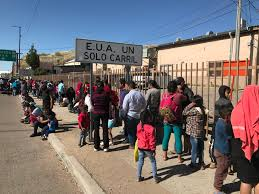
Border between Nogales, Mexico, and Arizona

I found the streets of Nogales, Mexico, on Google Earth, or whatever one lets you watch it live, now, immediately. The streets are crowded these days, and the crossing is packed with people trying to walk or drive through to Nogales, Arizona. I’ve crossed that border at exactly that spot dozens of times, albeit forty years ago. Yes, there were migrants wishing to make it to the United States back then; after all, we invited them. We put up a big lady who literally said to come here, and we pushed our excellence in the marketplace every chance we could. If you build a huge ice cream shop and flash it in front of everyone who has no ice cream at all, a line will form; mayhem will follow. Either feed the poor souls or take down the “Give us your poor” statue.

Anyway. Nogales.

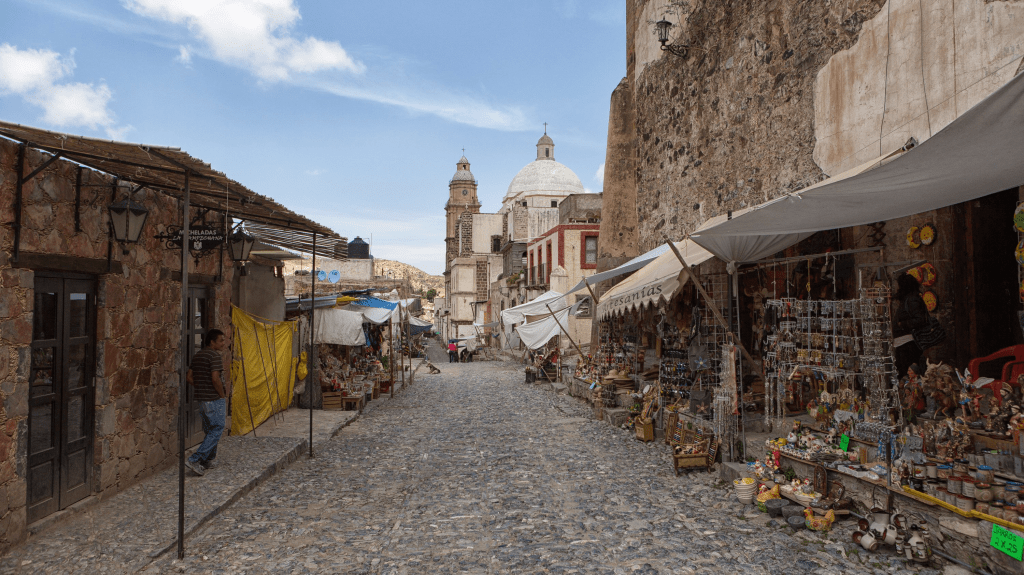
I used to eat at a small café there called La Caverna. They served cold Tecate and a burrito with jalapeno sauce and salad. One afternoon after lunch while standing on the dusty Mexican village street, an old man approached me. “You want to buy some blankets?” he asked in Spanish. His face was sun-carved and his thin frame as prickly as the saguaro cactus at the edge of town.

“How much?” I asked, knowing I only had about twenty dollars left.

“Two dollars,” he said. Now my Spanish was pretty decent, but I still stopped to figure if he meant two, or twelve, or twenty-two.

“How much?”

“Dos. Solamente dos mi amigo.” I agreed and he walked me down a few streets and a few back alleys. I was nervous, anticipating being jumped by younger, athletic guys who would steal my wallet, my car keys. Instead, we approached a small shed and Diego unlocked a padlock and opened the door. Stacked from floor to ceiling and throughout the 12×14 or so room were blankets of every color, with just enough room to step in and then crawl up the mounds to look for different kinds.

I looked at my twenty. “I’ll take ten,” I said, and left for my apartment in Tucson with my arms full. At this now-famous border, the guard asked if I had purchased anything. I had just graduated from college, drove a small Chevy, and hadn’t cut my hair or shaved in some time. The odds were high I had bought at least a few ounces of something illegal, though I hadn’t.

“Just those blankets,” I said, motioning to the back seat.

“How many?”

“Ten.”

He stared at me then let me go. I brought them to my Tucson apartment noting the unusually cold weather. A neighbor called to me, “Good thinking; it might be cold at the game tomorrow.” We lived across from the University of Arizona. He helped me carry the blankets inside and asked how much I paid.

“Twenty dollars,” I said. He thought I meant each.

“I’ll give you twenty-five.”

“Sure.” He gave me the cash and chose a green blanket with tan stripes. Very Mexican. “Hey, my buddy Paul will want one,” he said. “Can you sell another?”

I decided I could sell all of them and before night I’d done just that, pocketing two hundred and fifty dollars. The following week I went back, had lunch and found Diego. We backed my car up to his shack and loaded one hundred blankets.

Mexico then had a simplicity to it that seems to have been hijacked by drug cartels and border crashers. Not that these things were absent in the early eighties, but they certainly weren’t covered as closely by media, and the impact on people like me just bouncing around Mexico was nearly non-existent. Back then people who lived in southern Mexico, Guatemala and Nicaragua certainly knew of the promise of a better life in America–in particular for those pressured by the rising drug cartels and street gangs, but the lure was not as present. There was no internet to push them, not social media or other methods of communicating for Coyotes to build a small human-smuggling empire upon. The vast majority of migrants traveled in small groups and weren’t scrutinized by media–which had only just reached the now-antiquated level of “Cable TV.” Surveillance cameras were non-existent. Commentary on American radio stations or by political operatives was minimal at best. It was simply easier. I could train to Mazatlán, hitch to villages, and even drive my car deep into the interior without worry. Even when someone did approach me, whether to sell me something, check out what I had, or simply seek a ride North, the only consequence was time, and a few times I made friendships which lasted a little while anyway.

At the border, a different patrolman approached my car. “About one hundred,” I said somewhat nervously, even though I cut my hair and shaved.

“Then you’ll have to pay taxes,” he said, not moving away from the car.

“But they’re for my family.” He smiled. “I have a big family,” I added. We both laughed.

He stared at me. “Open the trunk.”  Very colorful, really, all that wool shoved into every corner of the Chevy. “Sometimes college students will distract us by buying a lot of one thing and smuggling something else. Like drugs.” This was true: More than ninety-three million cars crossed the border between the US and Mexico that year and not all carried blankets.

I laughed. “Oh hell, I hadn’t thought of that.” He smiled but I don’t think he believed me.

“Why buy one hundred blankets?”

I thought about my answer the way I think when I’m pulled over for a ticket and the cop hasn’t reached my window yet. What angle should I take? I gave in completely. “Look, I’m broke,” I said. “These cost me two dollars each and I can sell them for twenty-five bucks each at the UA game this weekend.”

He looked at me awhile, then back at the car, pulling up a few floor mats. He didn’t seem to be concentrating, though, and then I found out why. “I need ten,” he said.

He wanted a bribe. El Duh. “That’s a two-hundred-fifty dollar loss,” I said.

“No, that’s a twenty-dollar loss.”

“Cost, yes. But not profit. I mean, the taxes can’t be that high.”

“No, they’re not,” he said. “But the paperwork can take forever to finish.”

I stared at another agent ripping the panels off of some guy’s car doors.

“Ten blankets,” he repeated.

“Done.” He chose ten blankets. I got back in the car and he carried the blankets to the office where he put the “confiscated” goods and returned. “Next time, buy one hundred and ten blankets, Si?”
“Si, gracias,” I said, and started to drive off, but stopped. I backed up and he came to my window.

“When do you work?” I asked. I wrote his schedule on a napkin in black marker and in no time at all we became friends. That winter I made a ton of money and made a few good friends just south of the border. Decades later, I still have a few blankets. For me they represent time and place. Going to Mexico meant more than crossing into another culture; when I hear the word “blanket,” I sense the dust of a quiet road and the taste of cold Tecate, I hear the rough tones of Diego’s voice. It turns out there is a thin line between what we buy and where we’ve been. Souvenirs are more akin to snapshots than presents. They are narratives and conversations; they are moments, not mementos. And I learned more about where I am from by crossing the border than had I stayed home, like what true “need” is, the value of simplicity, and the restlessness that comes with a desire to improve. I had never thought about what it “takes” to grow, to improve my life; at home we didn’t really need to do more than keep moving forward. But in Mexican villages I witnessed first hand the work ethic and determination which makes improvement possible to begin with.

And really, once I saw the line someone else drew in the sand, how could I not cross it? I made a dozen or more trips for the sole purpose of buying blankets. By the last one in January of ’84 I was picking out ten blankets myself for the guard and simply handing them to him before driving on. During one of my last trips to Mexico I wasn’t going for the blankets. The line through the automobile gates was long, so I parked and walked across the border, ate one more lunch at La Caverna, bought some Kahlua and talked to Diego for a while. I brought him a University of Arizona Wildcats sweatshirt and we talked a long time. It was only then I learned his family actually lived in Mexico City. He had come to the border to try and make it to Tucson and work, and would send for his family later. He got as far as the border, like so many do, especially today, who make it to the southern edge of the United States, and no further. I asked him what will he do since he had been selling blankets at that point for a few years. “I’ll head back to Mexico City this summer,” he told me. The following year was one of the worst Earthquakes in history, virtually destroying a large portion of Mexico City. I thought of Diego then, and his family. I think of him when I open my trunk where I keep one of the blankets–it is indigo blue with tan and red stripes and has been everywhere with me for four decades now.

I walked to the turnstile gates that last time, nodding to my agent friend, who waved not knowing I’d never be back. I stood in the short line and wondered if I would have what it takes to leave absolutely everything I know–all of it–at a time when contact was primitive and I would perhaps never talk to or ever see my friends and family again, so that my life, and that of my kids and descendants would be better. For all of our wealth and their poverty, I learned that for the most part, my friends in Mexico, and those I only passed crossing the border one way or the other, value life itself much more than we do. I did carry some of that north with me.

Aerie is surrounded by farms worked by mostly migrant workers who speak little English. On more than one occasion while waiting to buy coffee in the early summer morning at 711, I’ve translated the order of a frustrated worker from Mexico living for the season in Deltaville. Inevitably, the conversation moves outside, and they ask how I know Mexico, and I tell them about my time there, back when “Coyotes” were animals. I tell them that I can recall quite clearly sitting on the porch of a café there, sipping beer and watching people walk by, and the faces of those heading north for the first time were alive and filled with promise. And just beyond them, through the gates on the other side of a few guards, was the literal line in the sand, and what I always saw as the southern border of my own country, they all knew as the front edge of hope.

The Quick Brown Fox Jumps Over the Lazy Dog

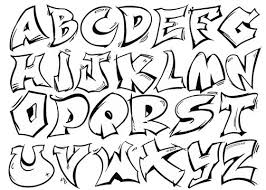
A

BCDEFGHIJK

LMNOP

QRSTUVWXY

Z

26 letters.

That’s it.

In the beginning. That which doesn’t kill us makes us stronger. To be or not to be—that one just six letters.  Jesus wept—seven.

It is what it is—six.

I can’t write, my students say; my mother said; my very own demons say when something needs to be said but I’m at a loss for words. The history of English has turned and spun back on itself, argued with endings and double negatives, trampled meaning, treasured nuances, made murderers of us all, and unearthed muses to slipknot a string of letters, tie together thoughts like popcorn for a Christmas tree, individual kernels only able to dangle dutifully due to one common thread.

I do. Rest in Peace. Go to Hell. I quit. I miss you; I love you—7 letters both.

The alphabet was not alphabetical at first, made that way in the 1300’s on Syria’s northern coast.  Today, we slaughter its beauty with a cacophony of sounds whose aesthetic value is lost in translation while simultaneously softening hardened hearts with poetry and prose for the ages. For nearly a millennium this alphabet. whose letters lay the way for understanding in multiple languages, has dictated decrees, is uttered by infants one syllable at a time until by age five they’ve mastered the twenty-six consonants and vowels.  What circles of wonder are children’s faces when someone’s tongue pushes out “toy” “treat” “your mommy’s here” “your daddy’s home.”

Plato said, “Wise men talk because they have something to say, fools because they have to say something”; Socrates said, “False words are not only evil in themselves, but they infect the soul with evil.” The sins of our fathers forever condemn us to hell but for confession, penance, and absolution.

Forgive me father for I have sinned—14 letters.

Of all the languages on the planet, English has the largest vocabulary at more than 800,000 words, all from those same 26 symbols.

There are roughly forty-five thousand spoken languages in the world, about 4500 written today but almost half of them are spoken by less than a thousand people. English, though, is the most common second language on Earth—translated or original, the Magna Carter, The Declaration, The Bible, the Koran, the Torah, the tablets tossed by Moses and a death certificate all reassembled versions of the twenty-six.

I have a dream—eight letters.

Ask not what your country can do for you; ask what you can do for your country—fourteen.

We the People–seven

Teeter-totter—four.

Mooo—two.

Billowy is one of only a few seven letter words whose six letters remain alphabetical. Spoon-feed is the longest, at nine letters, whose seven letters are reverse-alphabetical.

We can talk, us English. We can spin a yarn, chew the fat, beat the gums, flap the lips. We have the gift of gab, we run off with the mouth, we can spit it out, shoot the breeze, talk someone’s ears off, or just talk shop, talk turkey, talk until we’re blue in the face, be the talk of the town. We can, for certain, at just seven letters, bullshit.

My point (7 letters) is that (3 letters) sometimes, despite our skills (4 letters) with the English language (6 letters), we are often left, at just six letters, speechless.

What are the odds on a planet of nearly eight billion, the vast majority of us would comprehend each other because of twenty-six characters, small symbols.

The first time we meet we say hello (four). And then we love (four). And all too soon later, with the misery of six letters, “Goodbye.”  

And because eight characters is simply too much sometimes; sometimes too painful, we knock it down to three with RIP.

And the rest is silence (six).

Correspondence. Remember?

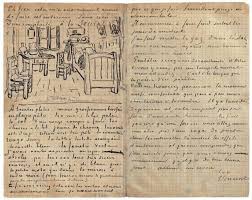
van gogh's letters

Dear You,

Some of this I’ve written before, But some is new. I’ve started to write letters again. Emails, yes, but real letters as well on actual paper. I sit at one of the tables here at Aerie and cover my iced tea from flies, find the spot where the shade hits the table and place my pad down, and write. I write about my garden, about the bay, about travel plans or family matters, depending upon who I’m writing. I don’t write about writing. I try not to write about anything negative, and I never have written and never will write about politics in a letter.

When I was young I wrote a lot of letters. On summer vacation from college I wrote friends in other parts of the country, and even after college kept a close written communication going with a few people. One is a woman I’ve known since we were freshmen, and another is a priest who I remained very close to through the years. I still have some of those replies, and some I recently sent back so my friend can see what was on her mind forty years ago. I wrote probably several hundred letters to someone I obviously cared very much about to write that many words who joined the air force back in the 80s. Listen: here’s how far we have come since then: At that time I would have to address the OUTSIDE of the envelope with her full name, followed by her full social security number—right there on the front of the envelope. I still remember it, actually. The former maintenance crew who emptied the trash at Lackland Airforce Base probably does as well.

Letters used to be the sole source of communication. Vincent van Gogh wrote more than two thousand pages of his thoughts to his brother Theo, a sister, as well as fellow artists. Thomas Jefferson and John Adams letters to each other famously expose the thoughts of our forefathers, and even as far back as the early Christian era we have Paul’s letters to the Corinthians. I just want to write some stuff about my garden and mail it in an envelope to my friends. Thought I’m tempted to write a large group like Paul did: Letters to the Czechs perhaps. Or the New York Mets.

I learn so much when I write letters. Simply by telling other people what I’m doing, I’m reminding myself how I spend my time. It also allows me to sit in nature, slow down, and take my world one word at a time. In an age that is spinning at Mach 6, writing is like sitting on a stage coach, but that’s okay. Remember those days when we would anticipate mail from a friend? It seems like a long time ago now, but I recall the satisfaction of dropping a thick envelope into a mailbox, or opening mine to see that marvelous white rectangle of someone thinking about me.

My sister found letters our dad wrote to his mother when he was eighteen. When I was in college my Great Uncle Charlie, who was in his early nineties at the time, wrote me letters and often included poems he wrote. This was a man who fought in France during World War One. And when I was in my late teens he was still writing letters and poems and dropping them in his local postal box. I don’t know what happened to those; I moved around so much. Also lost are letters from my childhood friends on the south shore of Long Island. During the first year or so after my exodus, we wrote religiously. I am back in touch with a few of those people from that time, but I wish I still had those epistles of what we were like then, our hopes, our plans, our fears, and our indescribable confidence which time has eroded along with our penmanship skills. My closest friend from then has since died, as have several other close friends through the years, and those letters would have brought their voices to life. When I read a letter I don’t simply look at it, I listen to it as well.

I know the problems in resurrecting such an ancient art form: besides the “slowness” of letter writing, there is the “I don’t really know what to write about” aspect my mother used all the time when I was away at school. Then there’s the “I don’t have time” factor which is just a crock. Sitting down to do anything for ten minutes is not an Olympic feat. And can we please just stop with the “it’s just easier to email” laments. Yes, it is. Write anyway. My favorite avoidance mantra is “I think faster than I write and I can’t slow down to do it.” Geez if you don’t think faster than you write than you’re probably legally brain dead. As Neil Diamond wrote, “Slow it down. Take your time and you’ll find that your time has new meaning.”

As for the upside, it helps me remember what is important in life that I want to write about it, and it reminds me that since I spend the vast amount of my time doing things I don’t deem worthy of including in a letter, I should appreciate the small stuff through the day as much as the grand letter-worthy events. It really does slow me down, helps with my blood pressure, my stress, and sometimes I might sit back while writing a letter to listen to the wrens or the cardinals, or leave it all on the table and wade in the river a bit before returning to finish. Mostly though, it is instigating a physical presence in another’s life in a completely non-threatening way; it is my DNA sealed and sent to another state.

I wish I had written back and forth with my father, or kept in written contact with some friends from Spain. I’d love to have heard from my grandparents, or to read a collection of letters from ancestors from another land. They are treasures; they are history, humanity, emotion and time, all in one stroke of a pen. 

Despite the losses of valuable letters from loved ones through the years, I still have some I cherish. I have a few from Leo Buscaglia, a few from Martin Sheen, and one from Michele Obama. I have some from friends in Germany, Russia, and various other distant places. When I was young I remember my brother had a pen-pal in Germany. I would love to start a correspondence with someone far away, someone I’ve never met. According to the data page of WordPress, this blog has roughly 2000 unique weekly readers in twenty one countries including India, Japan, and Australia. If anyone is reading this, drop me a line, hand-written, to PO Box 70, Deltaville, VA 23043. I will reply, Promise.

I’ll even stick a leaf in the envelope to send along a small piece of Aerie. It really is peaceful here; a place to write home about.

Always,

Bob

siberia-phone-316
writing a letter to my father while in the dining car of a train in eastern Siberia

In Humanity

(various versions of this work have appeared in other journals and A Third Place: Notes in Nature)

It isn’t unusual for what the masses consider a “problem” to also serve as a “solution.” AI, for instance, electronic vehicles, self-driving cars. But we have bigger issues than the questions raised by these so-called answers. It seems scientists can now “edit” genes in a human embryo to prevent a disease. As a writer and a professor of writing I stand strongly behind any form of editing. It is, after all, an attempt to make something better either by adding clarity, eliminating awkwardness, or, in this case, correcting errors. So it is difficult for me to find fault with this.

I know the arguments; but they’re not what I’m talking about. Children are needlessly dying in Gaza, war-torn Ukraine has been set back centuries, poverty is rampant in the United States, and starvation in Ethiopia, homelessness in and violence in and disease in this world simply won’t cease.

Gene manipulation of any sort can lead to “designer” babies, sure. Parents with money will not only be able to eliminate disease, but they can order up some character traits not already fine-tuned in the sperm. Meanwhile, those without the means will suffer the process of natural selection and have to be satisfied with all things organic. Further, this embryo-envy group will inevitably insist gene-manipulation could lead us into dangerous territory, including cloning or possibly creating a robot-like race.

Wow. Slow down.

There are regulatory speedbumps still to overcome. In the meantime, if we can scrape the cancer out of a kid why would we not want to? And it’s frustrating when someone suggests it really should be “God’s will” how the baby comes out. For the record, my pissed-off reaction is an example of a trait that could have been removed with one more run through of gene-check when I was born. But how can anyone not become infuriated? It is God’s will that children be born with cancer? Cerebral Palsy? Cystic Fibrosis? Seriously? If so—if those elements should not be screwed with because they were pre-determined—then how (in God’s name) do these people not know it possibly was God’s will to enable scientists to finally have this moment where in some lab somewhere someone sat back, looked up, stared straight ahead, and said softly to herself, “Praise God. We did it”?

Under the acutely pretentious mentality that it was “God’s will” that misfortune remain standard, we should have no medicines, eyeglasses, or deodorant. You can’t have it both ways; the same condition that “allows” tragedy to befall a newborn might just have balanced such intent with a scientist’s capability to solve the problem.

If some baby has a dangling modifier or comma splice, I say have at it. Eliminate the gene that bends toward polio, Chron’s, leukemia, or blindness. Clean up the embryonic paragraph which begins with an incomplete digestive system, a fragmented spine, a misspelled heart valve.

And, my dear scientists, surgeons, or managing editors—however you will be so labeled—while you’re in there, quickly skim through the frontal lobe and fine-tune the common sense. See what you can do about the math scores on SATs and the gene that enables tailgating, stealing, lying, and pain. This little move toward disease control could be a step toward babies designed to share with others, to empathize, to help the needy and to not text and drive.

I wonder, though, if personality traits can be manipulated as easily as cancer. If so, can we finally make a move toward compassion and understanding? Is it possible that this discovery is the end to the common trend toward gluttony and greed? These designer babies might, by design, be intolerant of hunger, might make it a crime to be homeless because of some doctor who checked the fetus galley sheets and noticed a gene which still allowed unnecessary suffering and had the presence of mind to grab a bottle of amniotic white-out.

In a world where so many have no issue with the swerve toward technology and computers that think ahead, robots with limbs not unlike our own, what is so wrong with a step toward humanity? Instead of improving machines to help us make life more convenient and comfortable, how about making the technology obsolete by improving the people?

How much embryonic manipulation will it take before hunger is no longer an issue? How many edits is it before the desire for war doesn’t even enter someone’s mind?

Humanity is dying; we are on a slow decline and have become more accustomed to crude comments than constructive conversation, indifferent toward arms buildup and troop movement, and infinitely more blasé about hope, possibility, and peace. When did we decide that disease and suffering were simply part of humanity and will never change?

Still not convinced that gene-manipulation might be worth investigating further just to understand the possibilities? Then ask yourself this: If you knew your child was going to be born with a painful disease or perhaps die at ten-years-old from cancer, or grow up to be a psychopathic killer, and you could stop it from happening, would you?

From This Green Hill

This article, the most shared of any I’ve written, originally appeared in the Washington Post, May 29, 2016.

From This Green Hill

by Bob Kunzinger

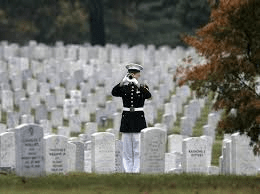
I was at Arlington National Cemetery and stood near a small wall on a tranquil hillside, and I could see Washington, D.C., the Washington Monument and other memorials to our Founding Fathers.

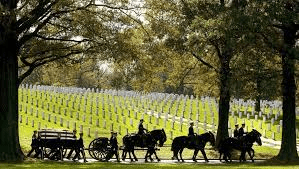
The unobstructed view looks out upon our nation’s capital, where for almost 250 years some of these souls have challenged the balance of power. A few of our former leaders lie just feet from this unassuming spot: an eternal flame for John F. Kennedy, a small cross for his brother Robert and, for their older brother, Joseph, one of the hauntingly familiar headstones. Across these green fields in all directions stand thousands upon thousands of marble markers, all carefully carved with the names of veterans and spouses, their birth and death dates, battalion or division and rank and conflict, a cross or a star, variations of both. A flag.

From this protected promontory I could see century-old oaks. Magnolias and dogwoods shrouded headstones like commanders keeping their soldiers safe. The Tomb of the Unknowns, mausoleums, small, singular sarcophagi and miniature monolith monuments stood scattered across acres of fields of fallen men and women who once stood as strong as those very stones that mark their last battle.

From this green hill I could see wildlife. I watched brave birds feed at an arm’s length away and then scatter to the safety of a nearby branch. Starlings perched upon headstones, and striking red cardinals gazed from the low branches of a tall maple. It was theirs, once, as were all the battlefields and all the cemeteries from Winchendon, Massachusetts, to the Texas Coastal Bend, before these battles took their toll, and men — boys — were buried in this wilderness.

From this tear-soaked soil I could see Vietnam, its rivers and forests where death kept too close to birth, whose beauty and wilderness taught men to pray and made brothers of them all. I could see the village battles between unknown enemies and blameless boys who should have been home riding bikes and reading books. I could see the more than fifty-thousand Americans never to become authors or professors, scientists or librarians, gathered beneath this field where their legacy is our common charge.

Beyond the Potomac, I could see Korea, the Philippines and New Guinea. The voices of spouses still crying for a husband to come home, women, standing alone too young, holding the small hands of children starting their fatherless flights toward tomorrow. I could see the medals and markers, veterans hugging veterans above a brother’s eternal assignment, saying, “It should have been me.” “He gave it all.” “He saved my life.” “He was too young.”

From this hallowed ground I could see Normandy. I could see the parachutes falling under the cover of night. I could see rows upon rows of men who marched side by side through shallow, blood-filled, mine-laden water toward the only hope left. I could see the hillside and the secured toehold. I could see the American flags on Omaha Beach and Utah Beach. I could see the graves of those forever beneath foreign soil and the ships returning with thousands of heroes. I could hear taps, the prayers of priests, the commanders’ thank-yous, the nation’s solace.

From this sacred spot I could see into France, the sacrificial fields, the trenches that saved the lives of our great-grandfathers. I could see the muddy, barren no-man’s land where brave men crossed only to lie here, now, beneath crosses too many to mention.

From this vantage I could see the heirs of Lexington and Concord. I could see Saratoga and Yorktown. I could see the battle for freedom, the commitment to integrity, the promise to defend. I could see the fight for the greater good. From this spot on a green hill I could see a small group of men standing like stone walls against England and claiming with absolute clarity and without compromise that we will be free. We will stay free. We will not fail.

From that green hill, from that perspective on such honorable sacrifice, I could see what bought our freedom. I could count the crosses, the sum of which cannot be measured, whose cost cannot be calculated.

vestibular schwannoma

A stone in water.

The overture of Swan Lake.

Those brief piano notes that start “Scenes from an Italian Restaurant.”

How “Bob” and “Mom” sound so much alike in a busy mall.

A drink being poured over ice in a glass.

Ice in a glass.

An oboe coming in high, one note falling in slowly like silver rain, fading away and handing the note off to a French horn.

The way my friend Zhora stood on the rocks of the Gulf of Finland and played his flute for us, the Beethoven notes slipping off across the water under a midnight sun. The whispers of everyone about his playing. Champagne.

A few days ago, chickadees hatched in the birdhouse near the woods. When I am at my desk upstairs, I can hear them chirping away for the mom who seems to be in constant flight from the small hole in the eave of the birdhouse to the lawn and then back. They’re hungry. And they’re loud. Almost as loud as hummingbirds’ wings.

I have pretty good hearing.

Snowmelt dripping from a branch. The muffled sound of tires on a winter street. Rain on a canvas awning. Rain on the skylight above me.

Dizziness sometimes. Imbalance occasionally. Tinnitus.

A racquet solidly making contact with a tennis ball. Someone turning pages at a table in a library.

Geese in flight at dusk headed for the river.

My father’s deep voice. My mother’s laugh, which is more of an inhale.

Burgers sizzling over coals.

Rigging.

Some mornings there would be some leakage from my left ear. Could be anything, they said. I heard them clearly; they could have whispered. Three doctors in two weeks; well, two, one two times. I have an acoustic neuroma. “Shouldn’t I be losing my hearing?” “No. Well, I suppose it could rupture, but not always.” Not always.

When I’d watch television with my father, whose own hearing had diminished in his final years, he’d keep the volume at 35-40. For perspective, when he left the room, I lowered it to 5, and even then, it still seemed loud. The joke was I knew which episode of Law and Order he was watching when I turned the car onto his street. If I’m trying to get work done at my desk I put on headphones just to muffle the noise coming up from the river or down from the highway or in from the trees where squirrels scatter and chase. When they are scared they sound like a ball pein hammer, and herons sound like they have something stuck in their throats and they’re trying to hack it out. Osprey and hawks have their own similar high-pitched sound, and eagles take it up an octave.

Some surgeon makes an incision above the ear in the skull bone, uncovers the internal auditory canal, and removes the neuroma. Takes about the length of the entire production of Gizelle, or the extent of all Shostakovich’s Seventh Symphony. I tell my doctor I don’t want to only be listening to John Cage’s 4’33” the rest of my life, but I don’t think she heard me.

Water talks to me too, usually at night. The river is calmer in the evening and the slow, methodic lap at the land is nearly imperceptible but lasts a while as the dripping lip of the water bends on itself, running down the beach. I sit on the rocks sometimes and listen as it folds away, holding on, eventually giving in to one last break. On the marsh shore peepers are chanting their own scripture.

Acoustic guitar strings, a piano, pool water splashing, the voice of an old friend, waterfalls, foghorns, a baseball slapping into a mitt, a cat’s purr, children aimlessly laughing. And odd sounds too; a dryer spinning, a plow, a lawnmower starting up, cups and plates hitting each other in the kitchen of a diner. Swirling conversations from people on beach blankets, kids calling, music floating on the breakers. Champagne glasses meeting on some western salt bed at twilight, and a small plane moves along the dry lake about what sounded like a mile or so away.

It’s a gumball. It’s basically a small sack of nothingness camped out deep inside my ear canal. I was supposed to fly next month, and I was told in no uncertain terms not to do so until at least sixty days after it is removed. It is benign, but if it explodes (they say rupture, but we’ve taken to calling it an explosion, with images of ear canal parts landing on the person next to me on the plane. I suggested she wear a smock; she suggested I wear a football helmet), I could go deaf, at the very least in my left ear; more likely both.

When I am reviewing my work, I read aloud to myself; I can hear the cadence, the meter, how lyrical it sounds, much more accurately than if I just read it on the page.  

Because writing, when it is done right, is music; it can be recited and sung like hymns by choirs; it should hang in the air like winter-breath, and it should worm into someone’s mind and play in there all day, birthing ideas and pressing them into some new direction, ever present, a small presence you don’t even know about but is there, waiting.

Dave

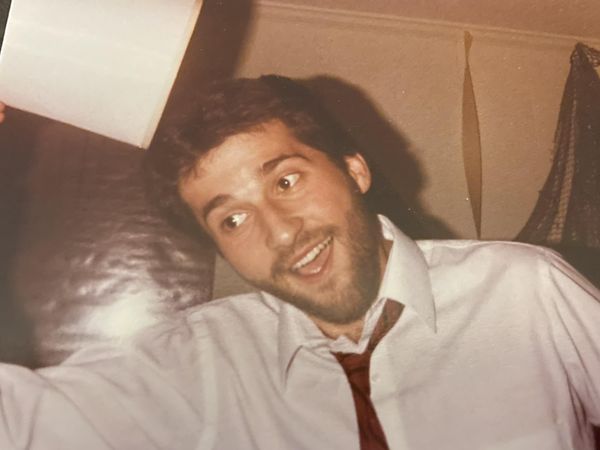
That’s my friend Dave Szymanski. He died Tuesday, May 14th. RIP my brother. We laughed so much that now just laughing at all often makes me think of him. We were going to get together when we both turned seventy and sing “Bookends” on some park bench. No kidding; it was part of the plan. We wanted to belt out to whatever audience was out walking their dog, “How terribly strange to be seventy!” Well, that won’t happen. Still, I am absolutely certain if I make it that far I’ll most definitely do just that, but alone, crying, laughing. I have so many stories about Dave you’d think we were twins. But those are mine now–Dave and I agreed to have joint custody of the stories of those times, but since he is gone now, I’m assuming full ownership. Unfortunately, they fall squarely under the category of “You had to be there,” so there’s no point in sharing them.

This is not likely to go where you believe it might go.

I’ve been thinking about what I can best call the start of some independent consciousness–that is, the time when I was first aware I was a growing, independent thinker/dreamer, mentally unattached to others, my thinking not entirely tethered to parents or siblings or teachers. I guess I was in what we then called Junior High, now Middle School, and at thirteen or fourteen years old life was still idyllic. That’s the point I think I started to think of myself as an individual. I have no idea if that is late, early, or disturbed. We lived near the Great South Bay next to a State Park and an arboretum, a golf club, and I was surrounded by friends in the village of Great River. I have memories before that, and possibly even dreams, which at that time were to either be an astronaut (Apollo 11) or play baseball during the summer (Miracle Mets) and be an ice cream man in Florida during the winter. But those were the “in the immediate” aspects of life; that is, things you thought about and said to friends but then forgot nearly instantly. But realism crept into my view somewhere around seventh grade when more realistic plans surfaced, like sailing around the world or riding my bike across the country, or being a musician or a writer or a tennis pro. All seemingly real plans at the time; those things which you no longer imagine and pretend but which you pursue, even if fruitlessly and without much talent.

No one save his family knew Dave was sick, so most of us didn’t have the chance to take the time to reminisce. It’s important; we always say, “Tell people how much you care about them because you never know if they’ll be around next week,” but we rarely follow through. We know it is true, and we know it is real, but we just don’t. But if we really did know it was the last time we might talk, the last chance to say something, like how much you appreciate the long conversations in the radio station at five in the morning, you picking out albums, him tearing UPI articles for the news; or how the three am pancake house runs were more important than final exams; or how the weekly texts through the next forty years kept you going, you’d tell him. Listen: Please, make sure if something happens and you know you’re going to be checking out, do not keep it a secret; some of us have a few things to say.

Anyway.

A few days ago someone asked me for my favorite picture of Dave. I went searching deep both on and offline, but I do not have many at all since back when we spent a lot of time together we rarely walked around with a camera and film. But I looked, all the while sifting through tons of other photos of the scattered years throughout my life, and at some point I stopped and simply sat remembering, and I realized something close to lifesaving during an otherwise heartbreaking week: What an amazing ride this has been so far.

I’ve mostly taken the paths of least resistance, I must admit, but apparently someone was up ahead clearing it for me, because it’s been outrageously fortunate. And I finally figured out what the pictures are for. Not only to reminisce, but to remind myself when I get lethargic or depressed, lonely, or tired, that I’m still walking this brilliant Camino, and to remind me of the words of Virgil when he wrote that Death twitched his ear and whispered, “Live….I’m coming.”

Not knowing when someone is going to die, or even that they are sick, is a cold reminder that we don’t know when we’re going to die, or when we might fall ill, and the truth is we just might have a few things to say to those we will leave behind. Speak now or forever…

I normally try to not write too directly only about myself, choosing instead for a digression into some common ground. But not this time. Honestly, this one is for me. Just a few findings from the journey so far:

Sandy. My best friend forty-five years ago.
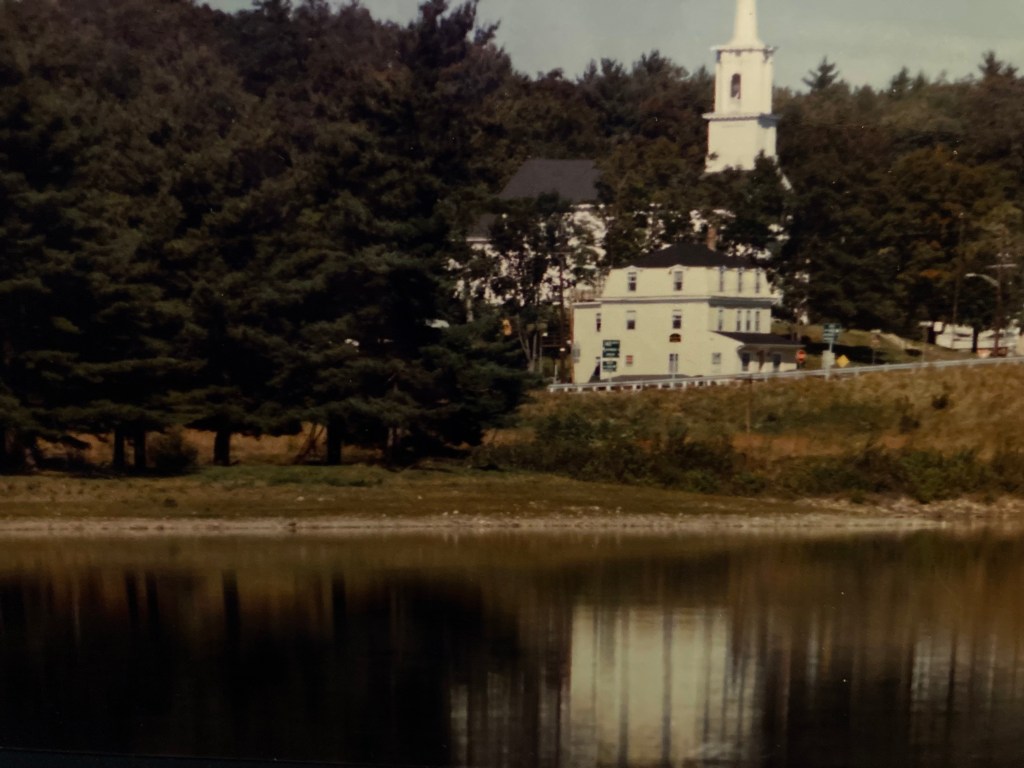
My yellow house in Oakdale, MA. I lived for a few years on the first floor/basement behind the hill. The water is the Wachusett Reservoir, and up the road to the right was an apple mill, then up the mountain to the ski slopes, Princeton, Massachusetts. I loved it there and never should have left. 100 years earlier the house was a fish market.
My siblings and me (in the middle) in Massapequa Park on Long Island, where we lived from just after I was born until I was nine. It was a great place to be; Dad worked his tail off so we had great childhoods. My siblings are two of my five heroes.
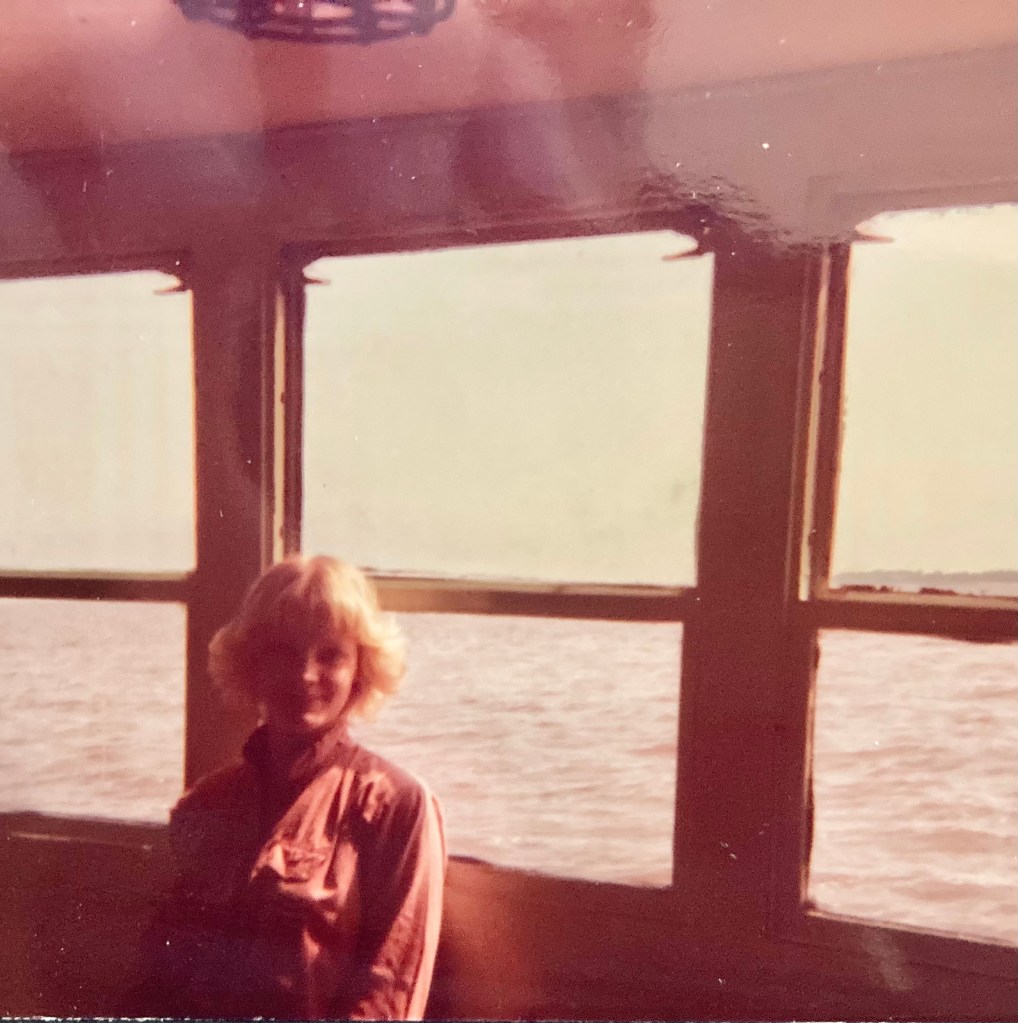
My friend Michele during high school. One day I borrowed Dad’s car to go to Michele’s for “about an hour.” Instead, we drove to the end of Knott’s Island on the Carolina border, drove onto the ferry, and headed down the coast of the Outer Banks. Neither one of us wanted to turn around. If we hadn’t we might well still be driving.
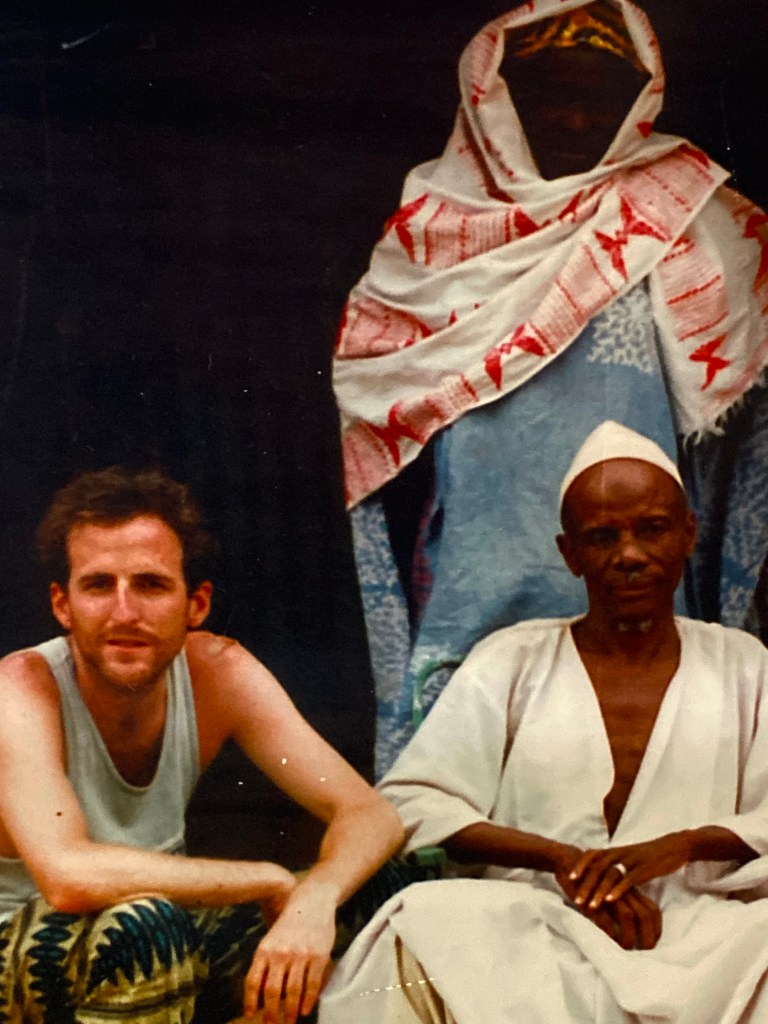
In Senegal where I spent some time before headed somewhere else in Africa. A few months earlier my life had completely changed, so I decided to change it further and ended up there. My college friend Claire and me with a village jeweler on the left. We had no clue who the dude on the right was. He just jumped in the picture.
I lived in this cabin in northern Norway for March of 1995 with my colleague Joe and American teacher/writer John Slade while we taught at the Bodo Graduate School of Business. We filleted cod caught by our seventy-five year old neighbor, Magnus. A Russian guitarist, Max, and I spent evenings in the cabin dueling folk tunes from the US and Russia. One night I fell through the ice on a lake but only to my ankles. Another we felt we had to duck from the swirling bands of the Northern Lights. Another we chased moose up a hill. Other stories for another time.
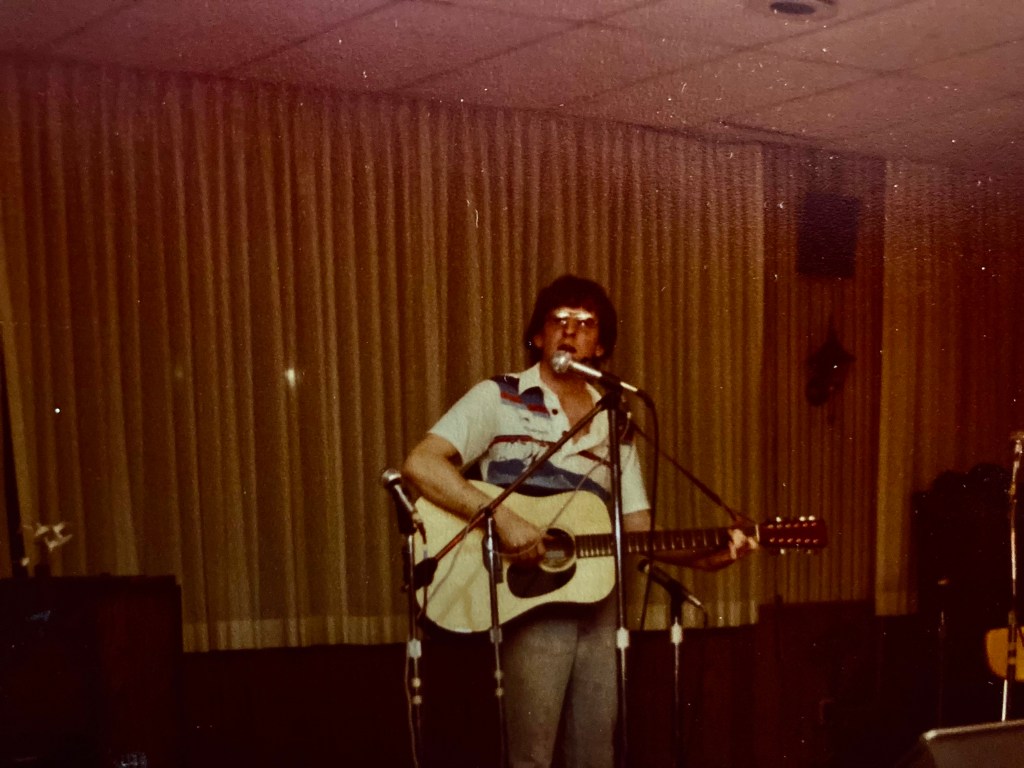
This old guitar saved my life. Coffeehouses kept me from falling through some proverbial ice during those years. And what stories from those gigs, like the time when 150 people sat to watch us play and at one point we opened the curtains behind me (there’s an Olympic size swimming pool on the other side of the windows) at the exact time a swimmer climbed out of the pool and his suit had slipped to his knees. We all waved. He dove back in the pool.
The Great River house my father had built and where we lived until moving to Virginia in ’75. When people ask where I’m from it is a difficult question to answer, but as I get older I say “Great River” and it is listed that way on my FB page. I live in Virginia. But I’m from Great River. Hard to explain.
My advisor and mentor, Pete Barrecchia. He was one of the true journalists of this country and the source of my first and greatest writing lesson. When someone in editorial writing class complained about not knowing how to start and where to put in the research and on and on and on, he put down his cigarette, grimaced, and said, “Oh just write the fucking thing.” It worked.
One of my escapes during college; Letchworth State Park. My escapes were either music or nature. Sometimes just the smoke-filled art studio beneath a dorm on the other side of campus. But escape was always important for me. Hard to explain.
My boss in the mid-eighties. One of the finest humans I’ve ever known. Yes, that’s him.
Village chief. And his wife.
My Great Uncle Charlie Kunzinger and Aunt Jane. Time note: He fought in WW1 in France, and when I was a freshman in college at St Bonaventure, he was still writing me letters and sending poetry.
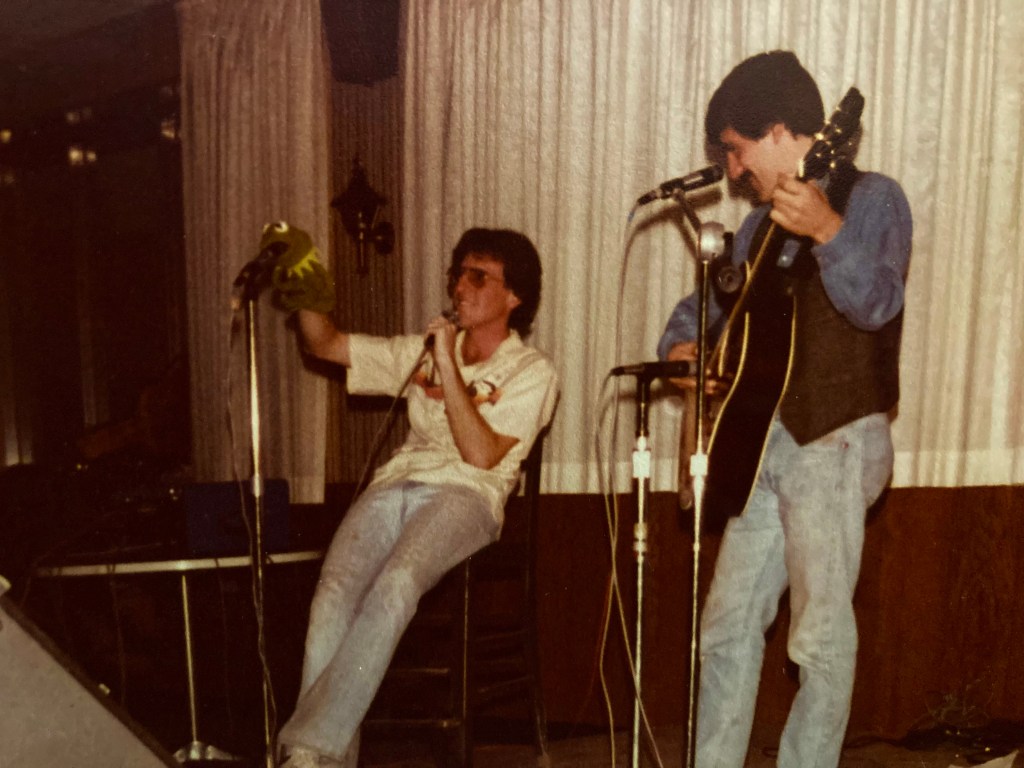
Mike Bonnano and Kermit when idealism was still okay to sing about, and where no one cared how bad you were.
My friend Tim O’Brien who most know for his prose writing but few know is an extremely accomplished magician. True story.
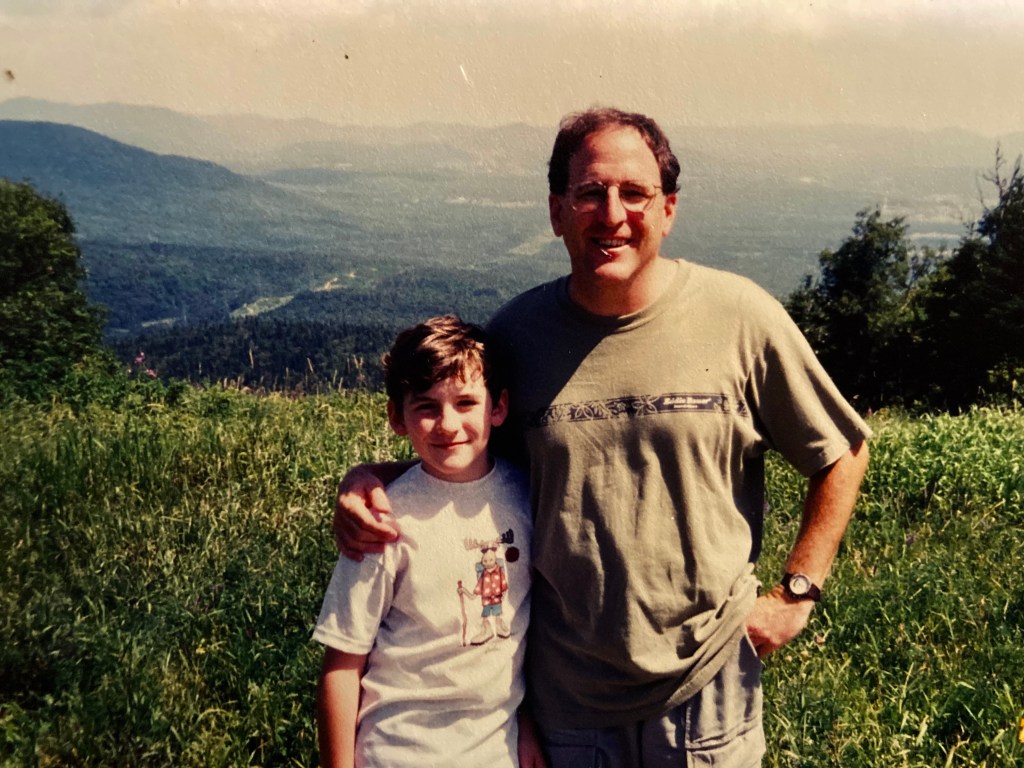
Michael and me in mountains of eastern Quebec many years ago. We’ve been literally around the world since then, and we’re still going. With apologies to Maya Angelou, “I wouldn’t take nothing for my journey now.”

Call someone. Tell them something. Anything. Forgive them. Ask them to forgive you. Tell them you’re sorry you didn’t answer the phone that last time they called and said they felt like talking. You planned to call them back but just didn’t “feel” like it yet. Now you can’t. Go ahead, call someone and say you wish you were as good a friend to them as they have been to you. Don’t be embarrassed. It’s only life, you know. That’s all.

It’s only life.

Instead, this:

I started this blog twenty-three times tonight and ended up with nothing. It is one of those times when nothing I write comes close to what I want to say.

So instead, this:

for Dave

“I counted my years and realized that I have less time to live by, than I have lived so far.

I feel like a child who won a pack of candies: at first, he ate them with pleasure but when he realized that there was little left, he began to taste them intensely.

I have no time for endless meetings where the statutes, rules, procedures and internal regulations are discussed, knowing that nothing will be done.

I no longer have the patience to stand absurd people who, despite their chronological age, have not grown up.

My time is too short: I want the essence; my spirit is in a hurry. I do not have much candy in the package anymore.

I want to live next to humans, very realistic people who know how to laugh at their mistakes and who are not inflated by their own triumphs and who take responsibility for their actions. In this way, human dignity is defended and we live in truth and honesty.

It is the essentials that make life useful.

I want to surround myself with people who know how to touch the hearts of those whom hard strokes of life have learned to grow with sweet touches of the soul.

Yes, I’m in a hurry. I’m in a hurry to live with the intensity that only maturity can give.

I do not intend to waste any of the remaining desserts. I am sure they will be exquisite, much more than those eaten so far.

My goal is to reach the end satisfied and at peace with my loved ones and my conscience.

We have two lives and the second begins when you realize you only have one.”

~Mário de Andrade (San Paolo 1893-1945) Poet, novelist, essayist and musicologist

Pravda

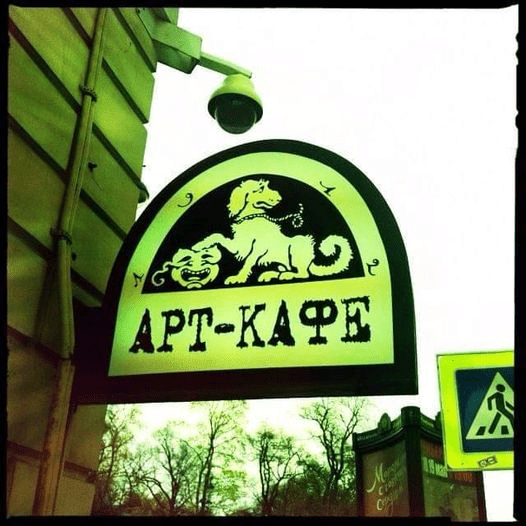
Eleven years ago I read a not-so-subversive piece called “Driving Under the Influence” at St Petersburg, Russia’s, infamous Stray Dog Café, where in earlier years Pasternak had read, and before him Mandelstam, who died in a gulag near Vladivostok for his threatening words, and also Anna Akhmatova, and a string of dissidents who risked their lives so their prose and poetry might be read and heard.

We sat at a long table, and while everyone listened to my innocent story of teaching my son to drive, I imagined the whispers and quiet conversations in those same corners about the Czar, who walked the hallways of the Winter Palace a few hundred yards away. What a world it must have been, I thought, but also, how good those days of revolution and dissidence were in the past. The city in 2013 was alive with artists, writers, photographers, musicians, and mostly legal political opposition to everything, with St Petersburg University students free to protest, complain, object, and support whatever they desired. As a result, no one needed to so much. It’s the greatest value of freedom; when people are free to choose, fighting and uprising recede. The horror of seventy-five years of Soviet oppression, preceded by three centuries of Czarist rule, was finally over.

My Russian friend and photographer Valentine shot pictures of old women, survivors of the siege, and of his children, his “Butterflies,” and laughed through a cloud of vodka, ever ecstatic at being able to express himself in marketplaces, newspapers, and galleries. Full of life and hope, these artists pushed their mediums to the max and shared stories of “darker” times when pointing a camera at anyone meant a possible sentence in Siberia, just east of Irkutsk, not far from the archipelago of dead poets. Not any longer, Valentine told me again and again over shots of Russian Standard and tables of photographs that just a few years earlier he had to hide those photographs inside the lining of books. “You should write here, Bob,” he told me. “You’d be free to write here,” he said. “Those dark days of Soviet Russia are dead.”

That was then.

The truth has once again folded up her tables and left the marketplace; transparency has turned away in shame. The Russia that Valentine came to love for three decades, and the only one I ever knew firsthand, is gone. It is gone. The citizens still attempt to navigate the streets of Peter the Great, the backroads of their “Window to the West,” but they are once again driving under the influence of a Neo-Stalinism, Vladimir Putin’s Fascist Regime.

Russia needs dissidents again. It is a time for poets. The Stray Dog should be crowded again with college students and artists listening to new poets risk everything for a few stanzas of truth. A contemporary Mandelstam, a modern-day Pasternak, should come out of the corners of the university classrooms and set ablaze a bonfire of observations and digressions. Because nothing ignites writers more than the attempt to extinguish truth.